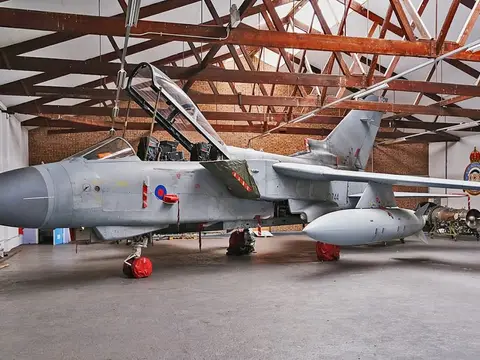
Also known as Montrose Air Station · Upper Dysart · Broomfield
The story of RAF Montrose
No. 2 Squadron went to France in August 1914. Montrose became a major training airfield, with British, Canadian and, from 1918, American squadrons. One pilot wrote of 'a crash every day and a funeral every week'. The station closed in 1920 and reopened on 1 January 1936 as No. 8 Flying Training School. About 800 pilots earned their wings here before the end of the Battle of Britain.
In the Second World War fighter squadrons at Montrose helped defend Edinburgh. Pilots who trained or served here included Paddy Finucane, Richard Hillary and Peter Townsend. On 25 October 1940 three Ju 88s bombed the station, killing five. A maintenance unit stayed after the war. Montrose closed on 4 June 1952. The heritage trust bought the watch office in 1992.
Flying units
| Unit | Years | Aircraft |
|---|---|---|
| No. 2 Squadron, Royal Flying Corps | 1913–1914 | |
| No. 25 Squadron | 1915–1916 | Royal Aircraft Factory F.E.2b |
| No. 80 Squadron | 1917–1918 | Sopwith Camel |
| No. 8 (Service) Flying Training School | 1936–1942 | |
| No. 603 (City of Edinburgh) Squadron | 1940–1940 | Supermarine Spitfire |
| No. 2 Flying Instructors School | 1942–1945 |
What survives
- The watch office and 'Major Burke's sheds', part of the heritage centre
- Several historic buildings and hangars
- The perimeter taxi track, largely intact
The museum on the airfield
| Museum | Adult entry | Airframes | Headline exhibit |
|---|---|---|---|
| Montrose Air Station MuseumMontrose, Angus | £10 | 14 | The 1913 fabric itself, plus the resident ghost stories (Montrose is Britain's most famously haunted airfield, a claim the volunteers… |