Also known as RFC Filton · Bristol Filton Airport
The story of RAF Filton (Filton Aerodrome)
The firm became the Bristol Aeroplane Company in 1920 and began making engines. No. 501 (City of Bristol) Squadron was based at RAF Filton from 1929, flying Hurricanes by 1939. On 25 September 1940 German bombers caused heavy damage and loss of life when shelters were hit. A Spitfire squadron was then based at Filton.
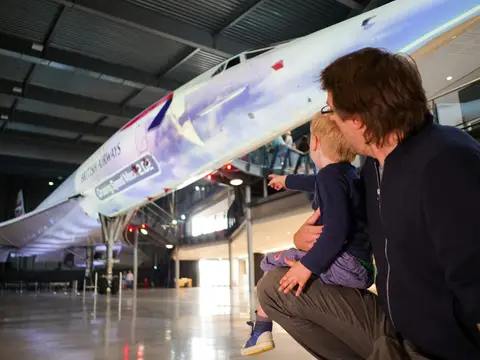
After the war the runway was lengthened for the Bristol Brabazon, which first flew in 1949, and the hamlet of Charlton was demolished. The Britannia and Bristol Freighter followed. No. 501 Squadron flew Vampires until it disbanded in 1957. Vulcans stood by here during the Cuban Missile Crisis. The long runway suited Concorde, built here in the late 1960s and 1970s. On 26 November 2003 Concorde G-BOAF made the last Concorde flight, landing at Filton. The airfield closed on 31 December 2012. Aerospace Bristol opened in 2017.
Flying units
| Unit | Years | Aircraft |
|---|---|---|
| Aircraft acceptance facility, Royal Flying Corps | 1915–1918 | |
| No. 501 (City of Bristol) Squadron | 1929–1957 | Hawker Hurricane, de Havilland Vampire |
| Bristol Aeroplane Company / British Aircraft Corporation | 1910 |
What survives
- Grade II listed Filton House and the 1936 Art Deco Pegasus House
- Historic hangars now part of Aerospace Bristol, with a new hangar for Concorde G-BOAF
The museum on the airfield
| Museum | Adult entry | Airframes | Headline exhibit |
|---|---|---|---|
| Aerospace BristolBristol, Gloucestershire | £20 | 14 | Concorde G-BOAF, the last Concorde ever built and the last ever to fly (26 November 2003, into Filton, forever). You can board her.… |