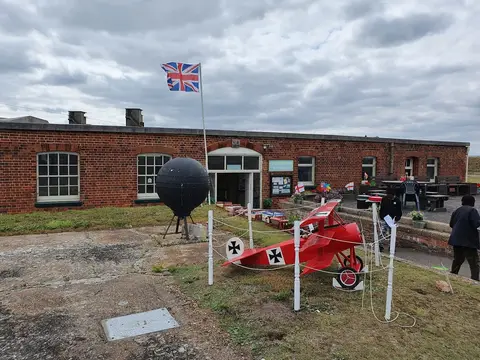
Also known as RNAS Felixstowe · Seaplane Experimental Station · Marine Aircraft Experimental Establishment
The story of RAF Felixstowe
With the RAF formed in April 1918, the unit became the Seaplane Experimental Station. From 1924 Felixstowe housed the Marine Aircraft Experimental Establishment, which tested flying boats and seaplanes until the Second World War. The High Speed Flight was based here from 1926. It trained Britain's Schneider Trophy team until the trophy was won outright in September 1931. Frank Whittle and T. E. Lawrence both served at Felixstowe.
Flying boat squadrons and marine craft units used the station over the years. RAF Felixstowe closed on 21 June 1962. Its site is now the Port of Felixstowe, and the hangars, slipways and jetties have all gone. The local Air Cadet squadron uses the site of the old guardhouse.
Flying units
| Unit | Years | Aircraft |
|---|---|---|
| Seaplane Experimental Station | 1918–1919 | Felixstowe flying boats |
| Marine Aircraft Experimental Establishment | 1924–1939 | |
| High Speed Flight | 1926–1931 | Schneider Trophy racing seaplanes |
| No. 209 Squadron | ||
| No. 230 Squadron |
What survives
- Nothing survives of the hangars, slipways or jetties
- The local Air Training Corps squadron occupies the site of the old guardhouse
The museum on the airfield
| Museum | Adult entry | Airframes | Headline exhibit |
|---|---|---|---|
| Felixstowe MuseumFelixstowe, Suffolk | £5 | — | Felixstowe Museum at Landguard covers the seaplane experimental station era — the Felixstowe flying boats that invented maritime air… |