How the collection came to be
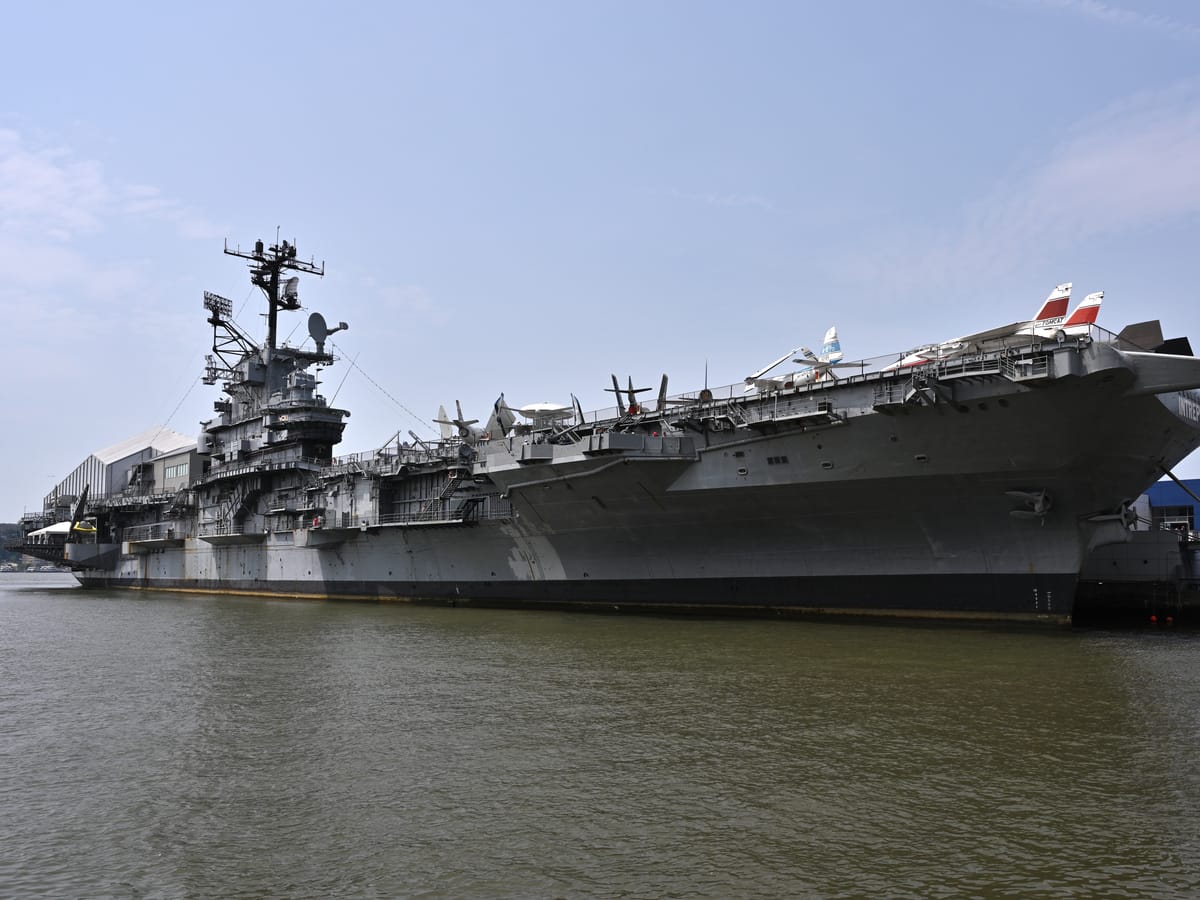
USS Intrepid was the fifth Essex-class carrier to be launched, at Newport News on 26 April 1943, and was commissioned on 16 August 1943. She went straight to the Pacific. During the Truk raids of February 1944 an aerial torpedo struck her stern, but she was back for the Philippines campaign. At Leyte Gulf on 24 October 1944 her scouts found Admiral Kurita's Centre Force, and her Helldivers and Avengers opened the Battle of the Sibuyan Sea, putting the first torpedo into the super-battleship Musashi, which sank that evening. The museum counts five kamikaze attacks and one torpedo strike in her war: a kamikaze hit a port gun position on 29 October 1944, two more crashed aboard on 25 November killing 69 men, a 'Betty' exploded alongside on 18 March 1945, and another dived into the flight deck off Okinawa on 16 April. She earned five battle stars and a Presidential Unit Citation.
Decommissioned in 1947, she returned in 1952 for the SCB-27C jet-age rebuild and in the later 1950s the SCB-125 angled deck and enclosed 'hurricane bow' at the New York Navy Yard. Reclassified as an anti-submarine carrier (CVS-11) in December 1961, she became NASA's recovery ship twice: her helicopters picked up Scott Carpenter after Aurora 7 splashed down on 24 May 1962, and on 23 March 1965 she recovered John Young and Gus Grissom from Gemini 3, 'Molly Brown'. Between April 1966 and February 1969, with Carrier Air Wing 10 aboard, she made three deployments to Vietnam as a stand-in attack carrier, her Skyhawks and Skyraiders launched at 26-second intervals. She finished her career on NATO anti-submarine cruises in the North Atlantic and was decommissioned for the last time on 15 March 1974.
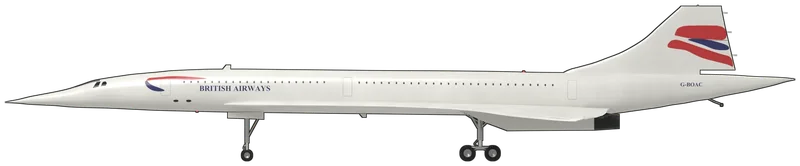
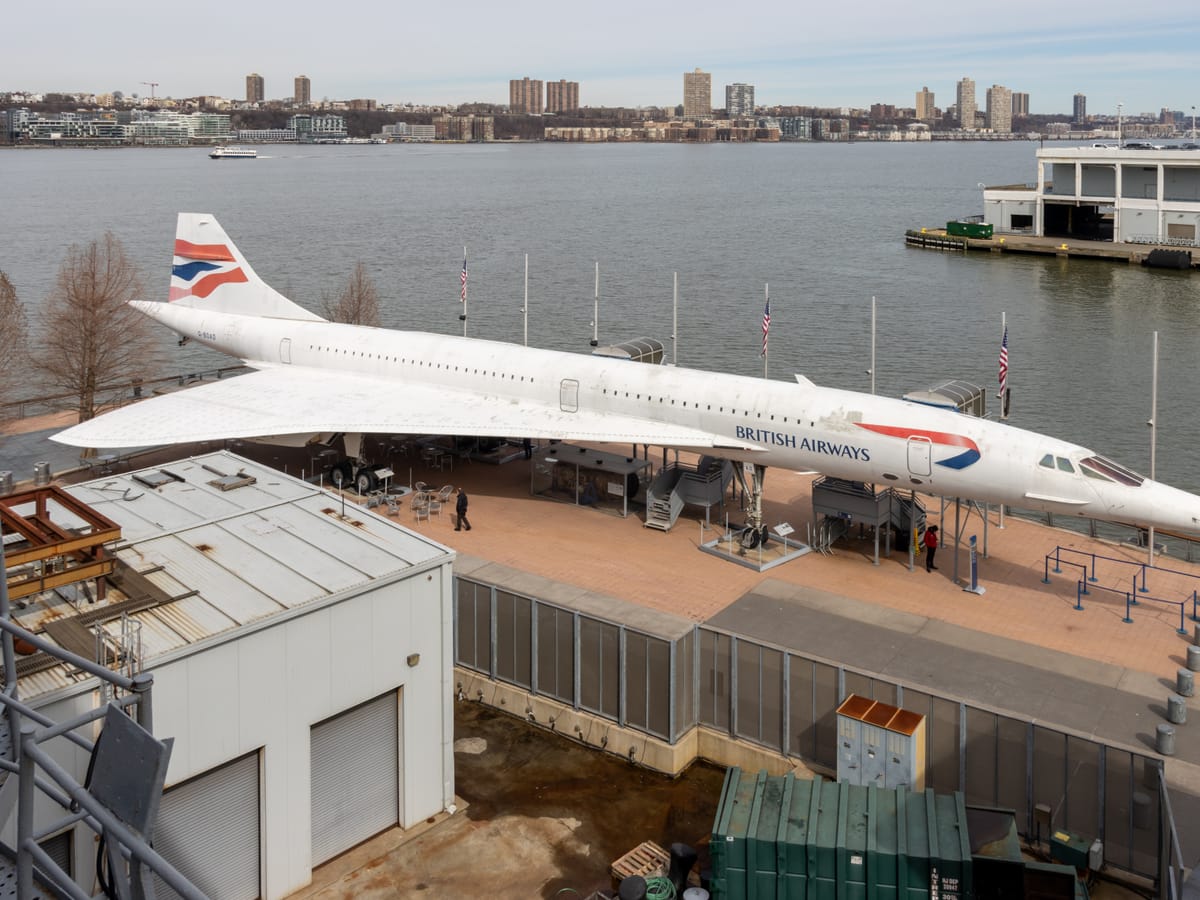
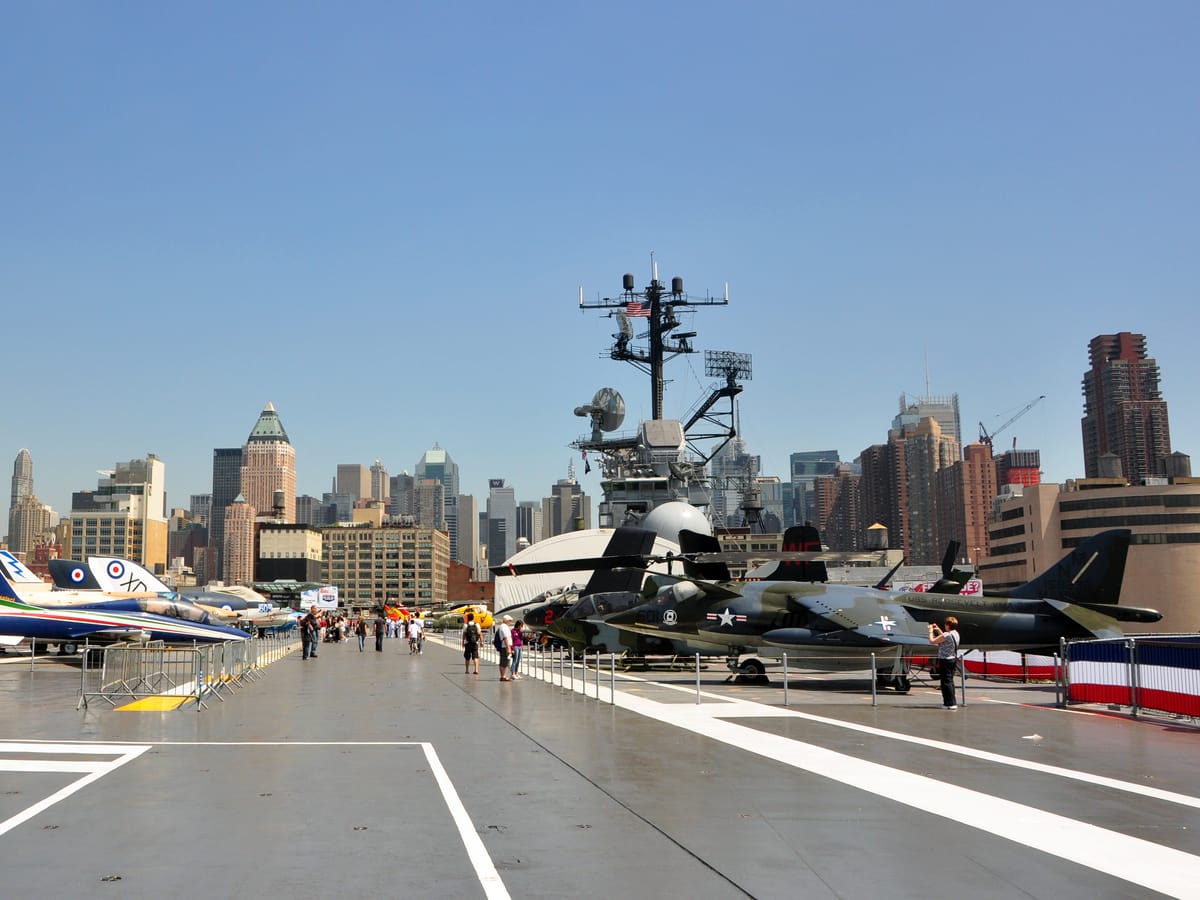
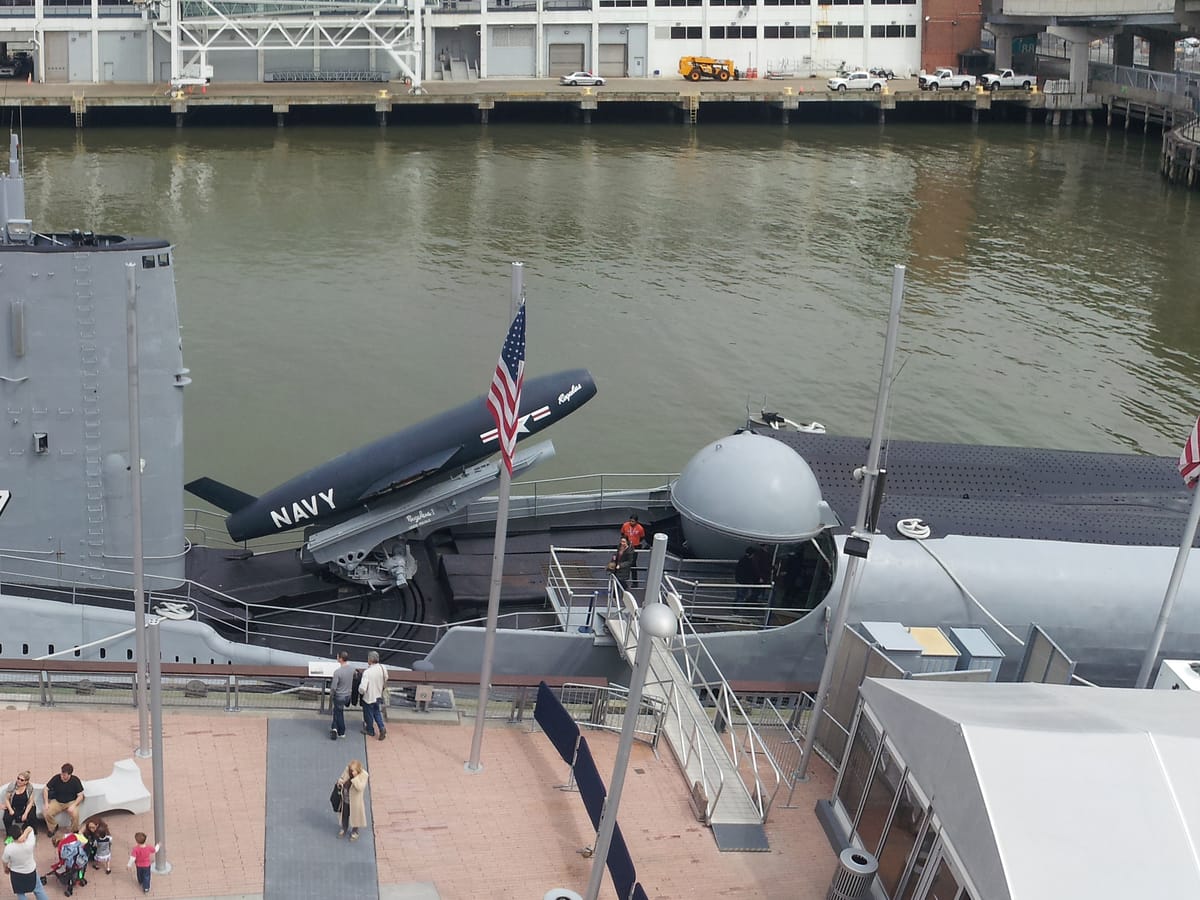
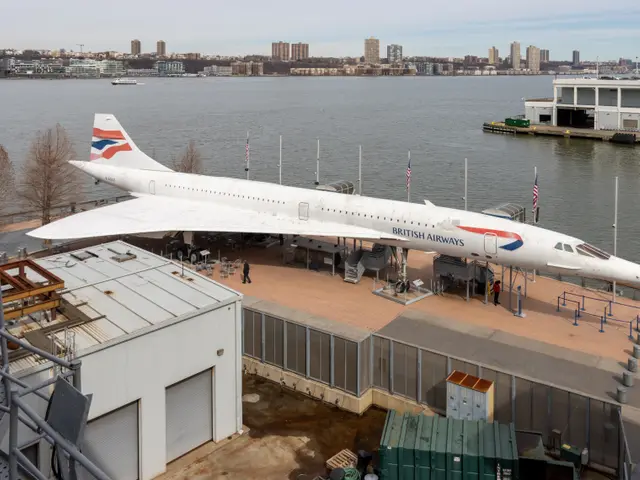
The scrapyard beckoned until the New York property developer Zachary Fisher took up her cause. He set up the Intrepid Museum Foundation in March 1978 and gave more than $25 million over his lifetime. The ship was towed to Pier 86, soft-opened on 4 July 1982 and opened formally on 3 August 1982. The submarine Growler (SSG-577), a Regulus cruise-missile boat of 1958, joined in 1988 and opened in May 1989; and in November 2003 Concorde G-BOAD was barged up the Hudson after its final flight from Heathrow on 10 November.
On 1 October 2006 the museum closed for a refit of ship and pier. Twenty-four years of silt held her fast on the first attempt on 6 November; after dredging she was towed to Bayonne, New Jersey on 5 December, dry-docked in 2007, refitted at Staten Island and returned to Pier 86 in October 2008 for a reopening on 8 November, at a cost of roughly $115 million. Concorde spent the interval at Floyd Bennett Field in Brooklyn.
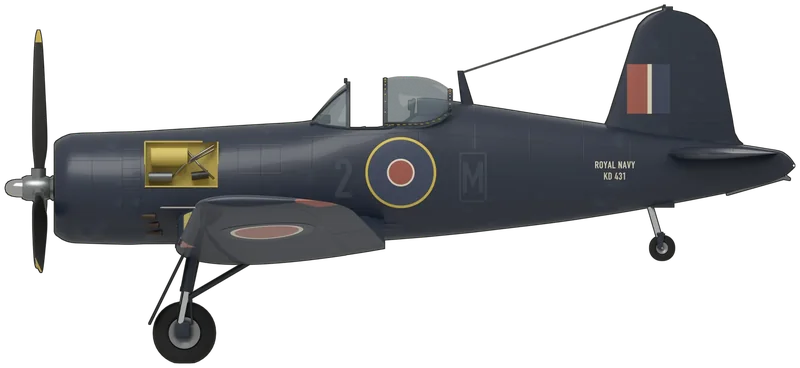
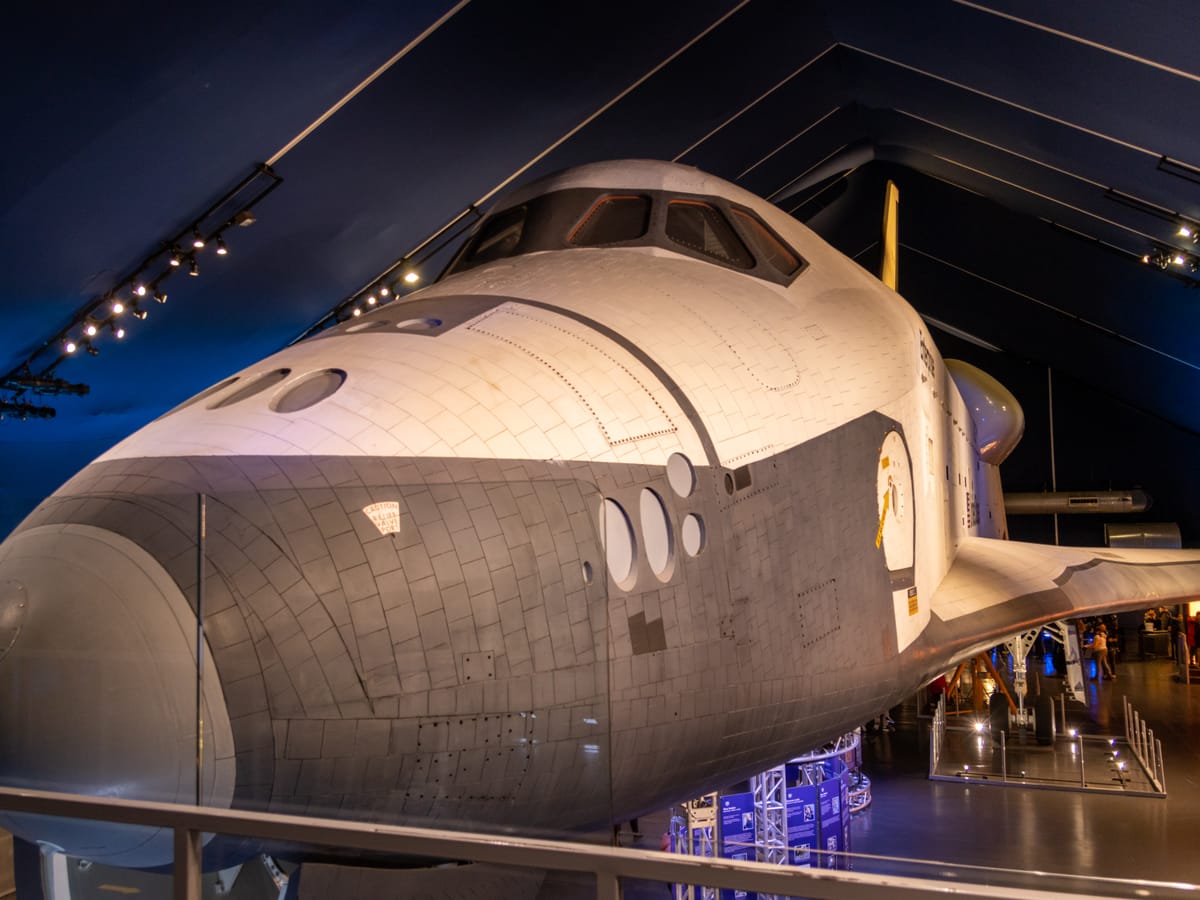
In 2012 NASA allocated the prototype orbiter Enterprise (OV-101) to the museum. She flew over New York on her 747 carrier on 27 April, was barged to the pier in June and opened in the new Space Shuttle Pavilion on 19 July 2012. Hurricane Sandy deflated the pavilion that October and damaged the orbiter; it reopened in July 2013. G-BOAD went to the Brooklyn Navy Yard for restoration in 2023 and returned to the pier on 14 March 2024, and in October 2024 a Goodyear FG-1D Corsair arrived to become the centrepiece of a hangar-deck exhibition opened in March 2025.