How the collection came to be
For most of the twentieth century the Smithsonian's aircraft collection was far larger than anywhere it could be shown. The National Air and Space Museum's building on the National Mall, opened in 1976, held the famous few; the rest — airliners, bombers, captured German and Japanese prototypes — sat in sheds at the Paul E. Garber Preservation, Restoration, and Storage Facility in Suitland, Maryland, where restoration was done and the public rarely went. In 1983 the Federal Aviation Administration offered 100 acres on the south side of Washington Dulles International Airport, and a 1993 Act of Congress authorised a museum there.
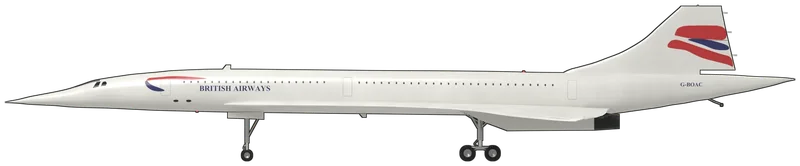
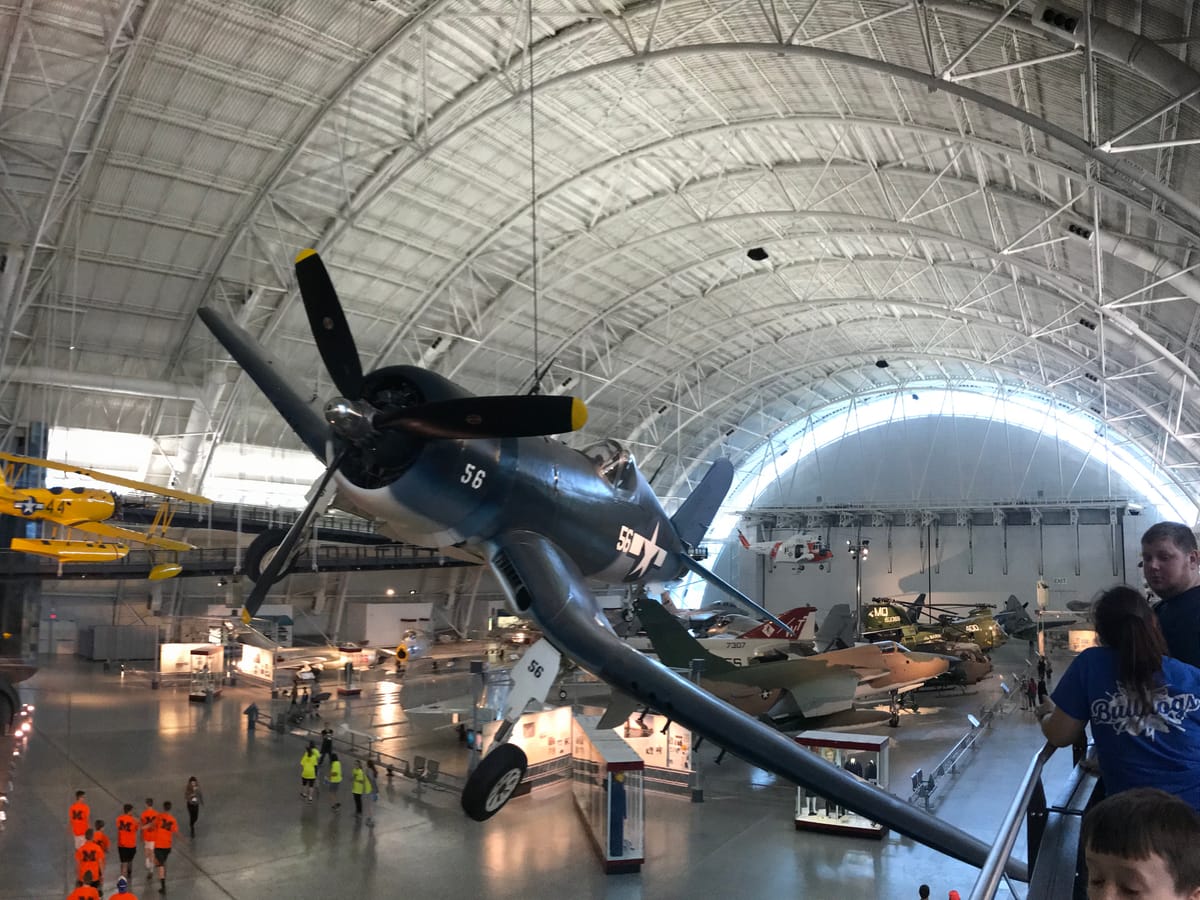
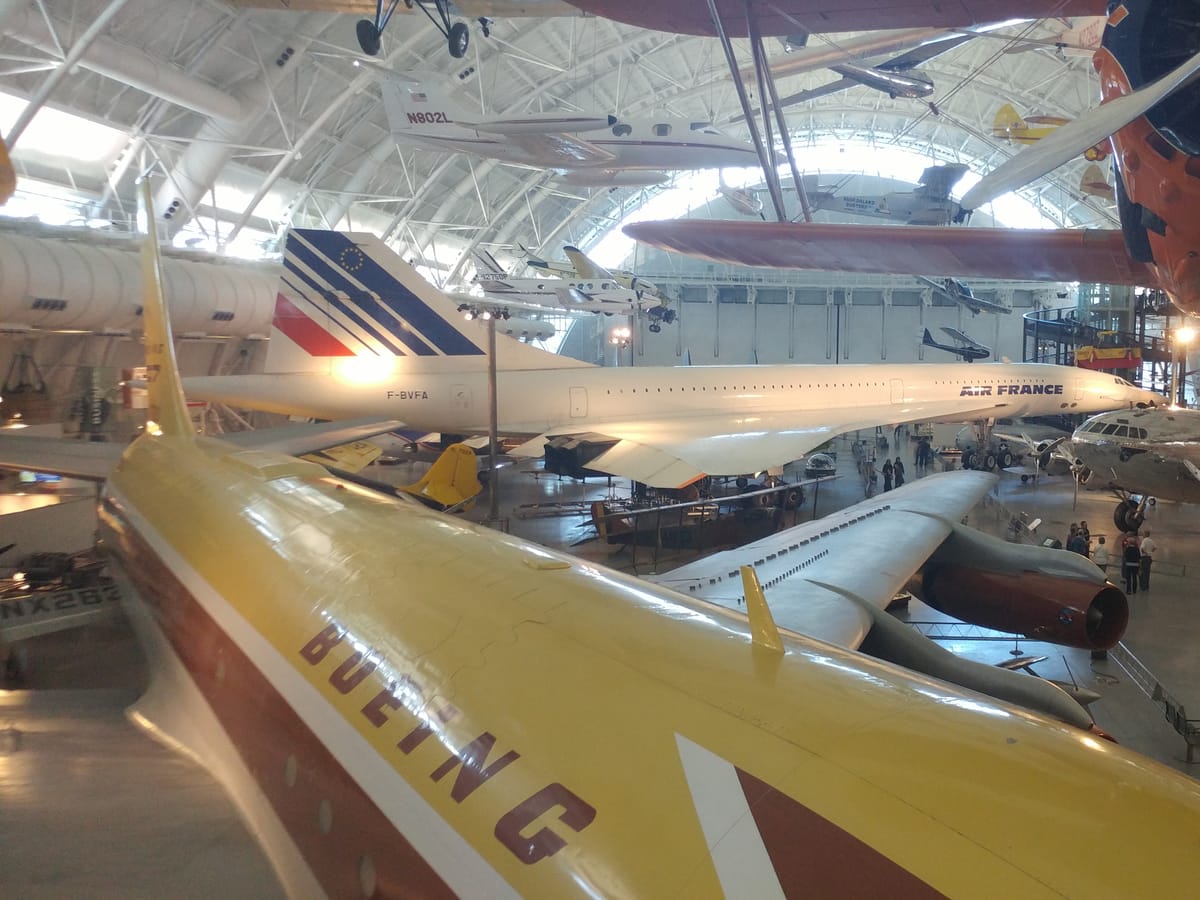
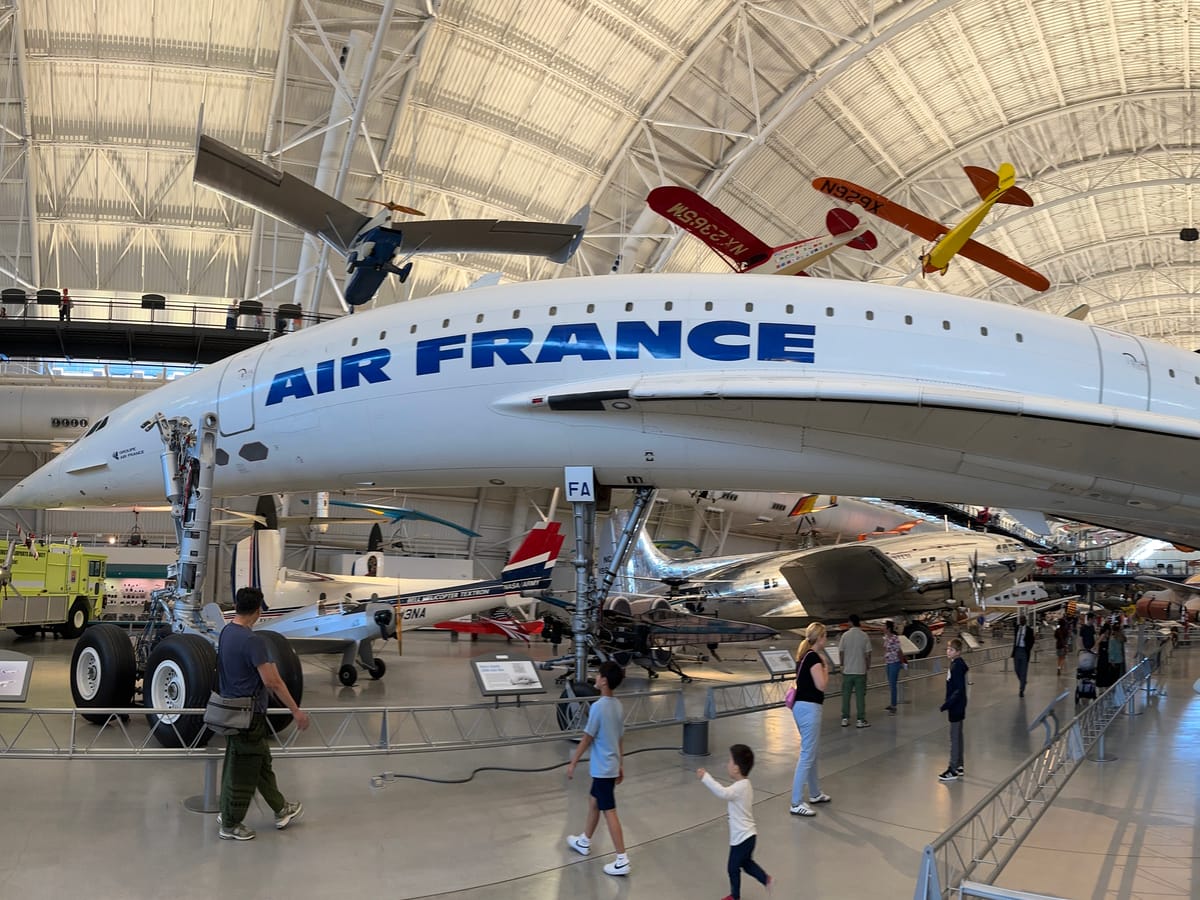
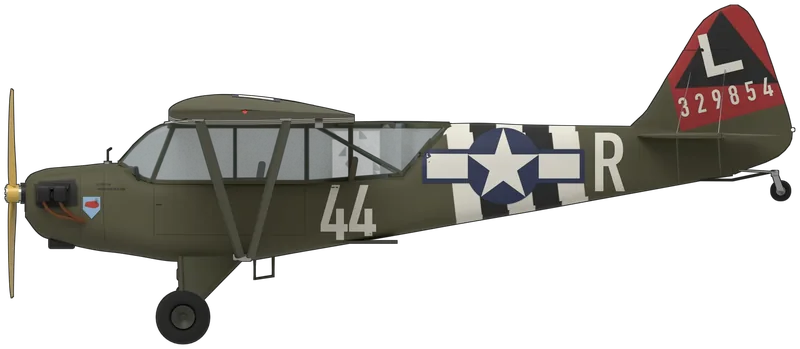
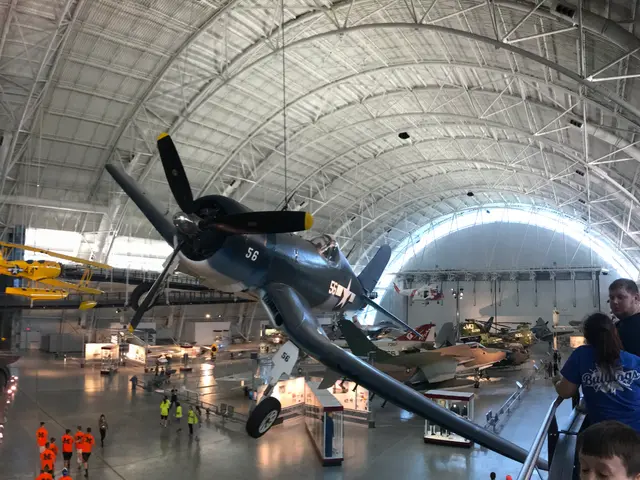
Money came in October 1999, when Steven F. Udvar-Házy, a Hungarian-born co-founder of the aircraft lessor International Lease Finance Corporation, gave $65 million; the centre bears his name and remains the only Smithsonian building paid for entirely with private funds. Ground was broken in 2000 to designs by Hellmuth, Obata + Kassabaum, the architects of the Mall building. The first exhibit, a Piper J-3 Cub, was wheeled in on 7 March 2003. Air France delivered Concorde F-BVFA under its own power on 12 June 2003; the Boeing 367-80 flew in from Seattle on 27 August. The doors opened on 15 December 2003 — the centenary of the Wright brothers' first flight — with some 80 aircraft on show, and more than 200,000 people came in the first fortnight.
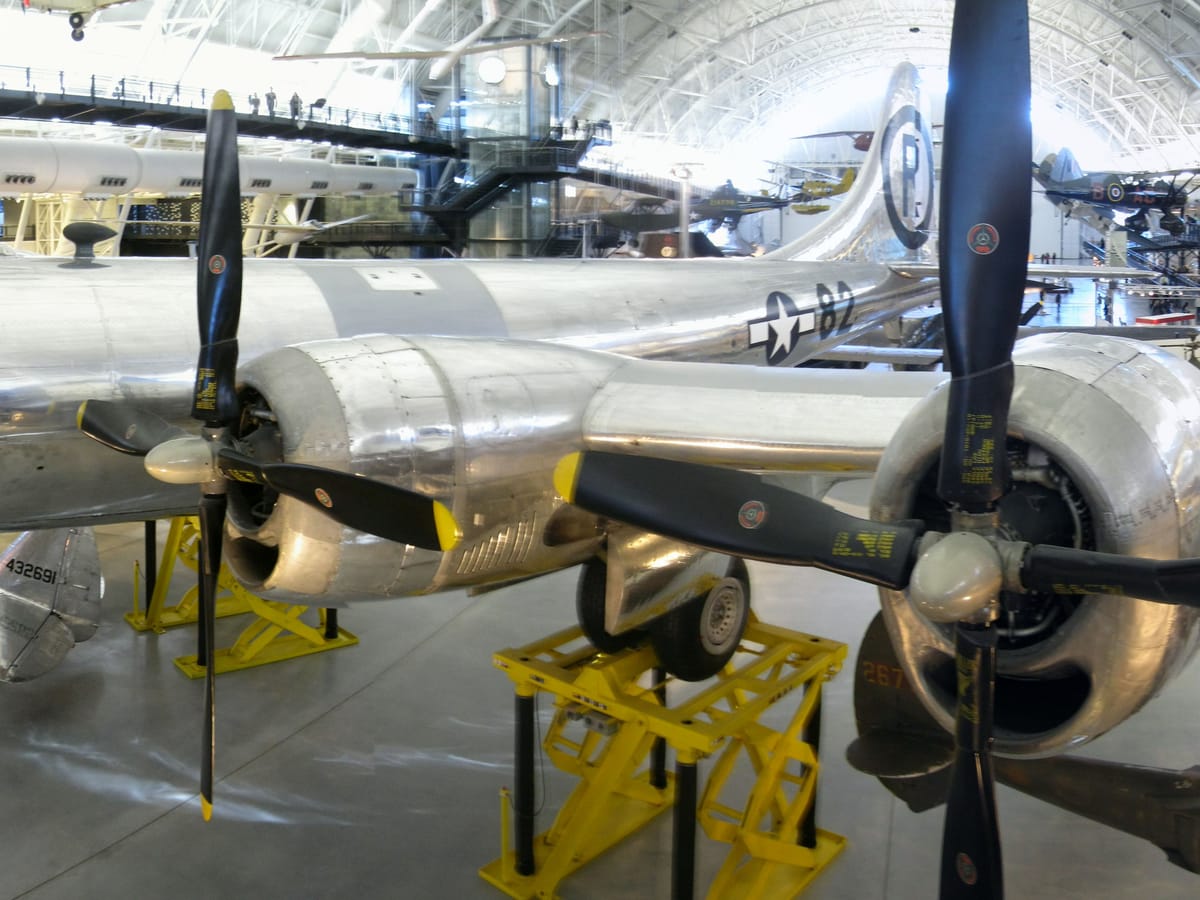
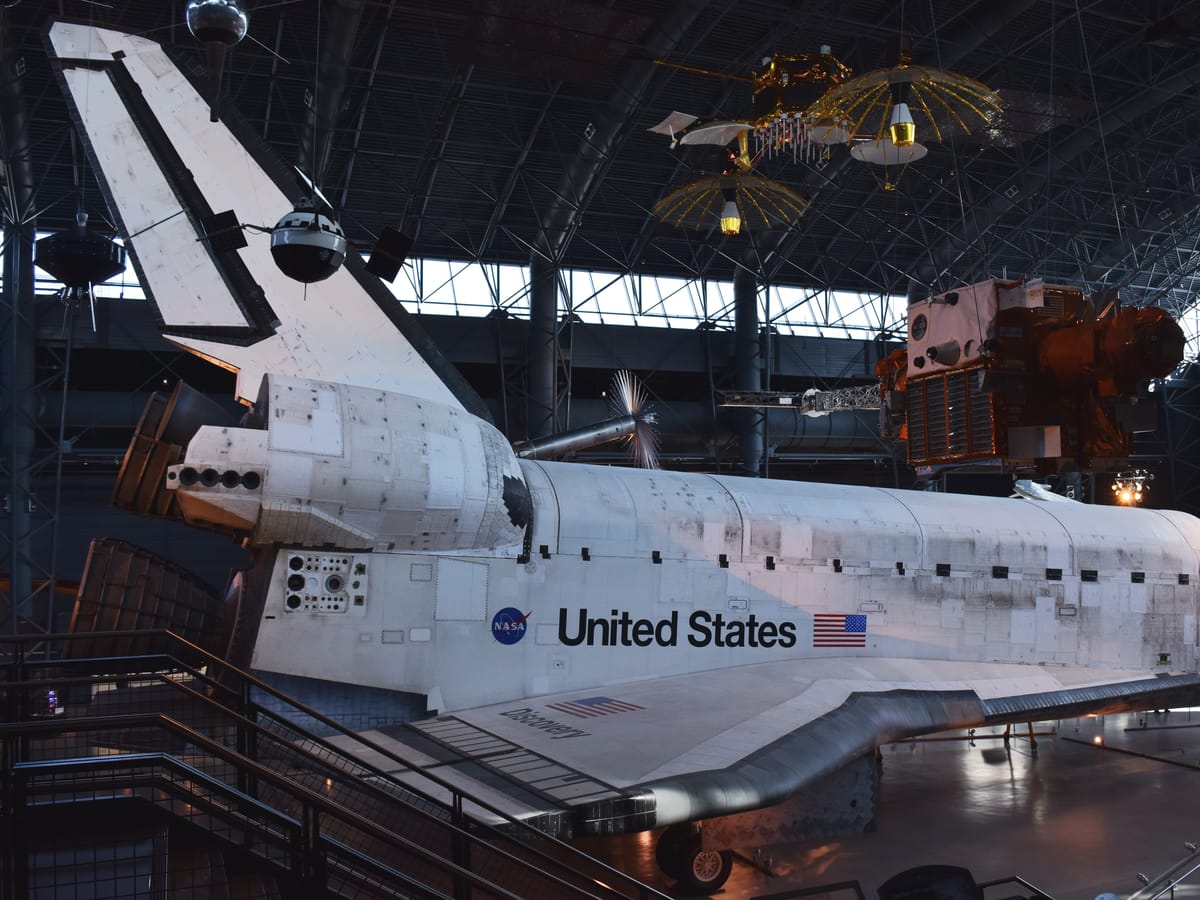
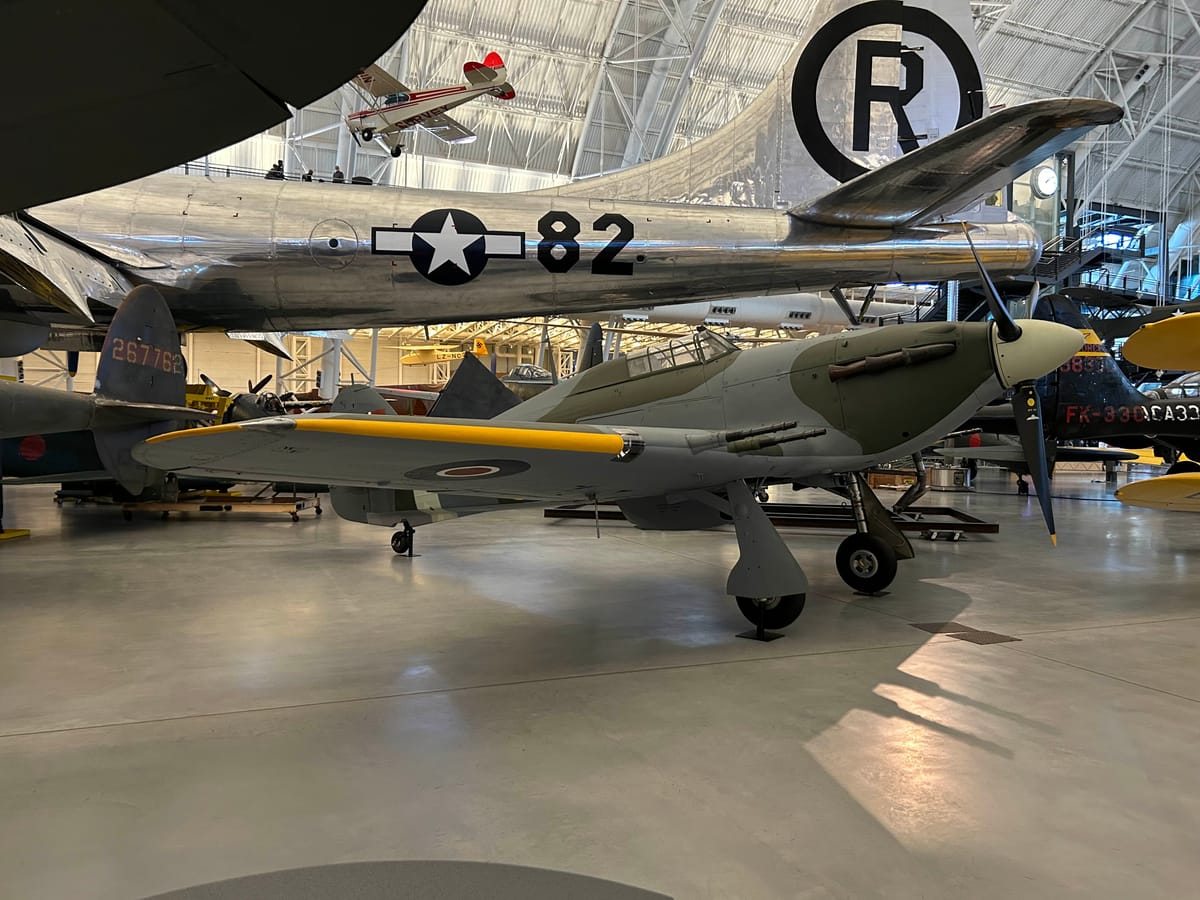
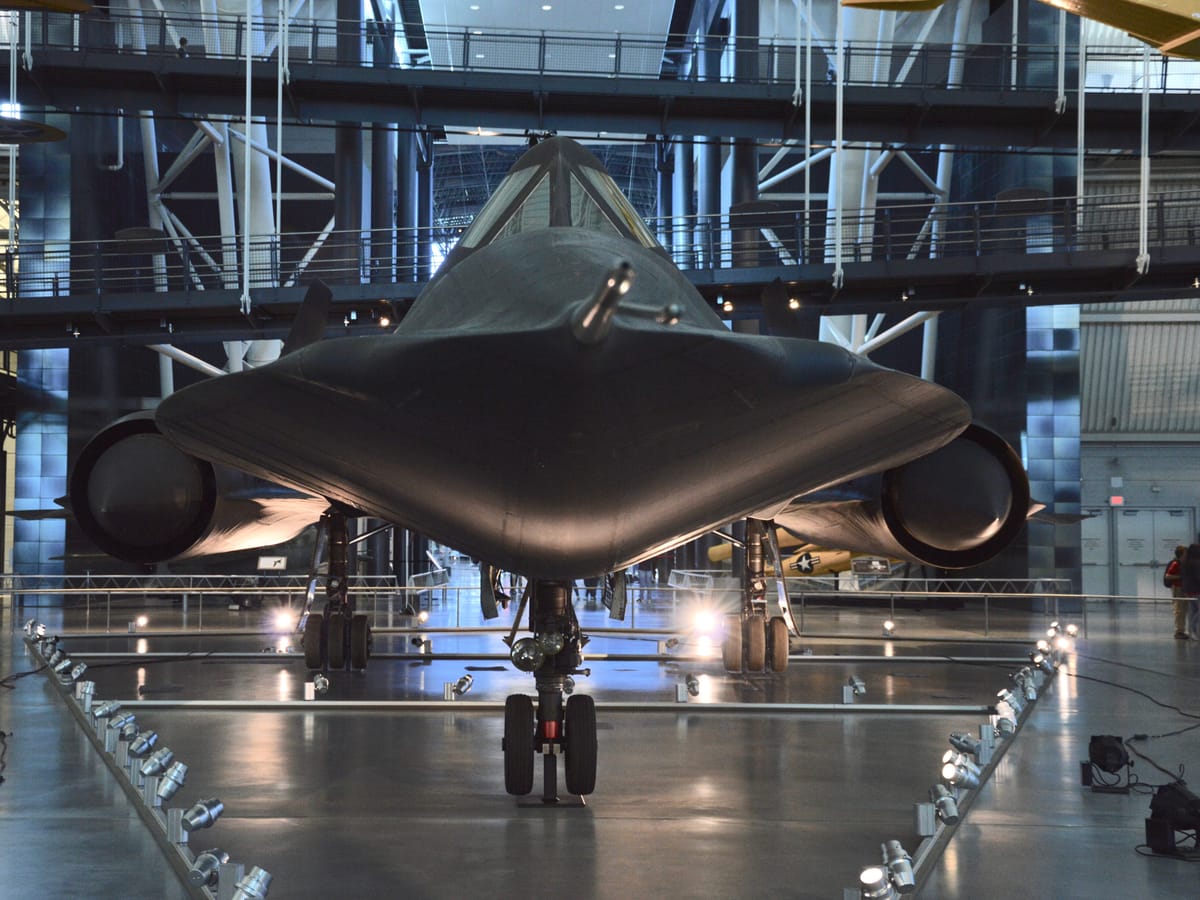
The hangar is directly connected to the Dulles runways by its own taxiway, which is why so many exhibits arrived intact and on their own wheels: SR-71A 61-7972 had already landed at Dulles on 6 March 1990, the day of its record transcontinental flight. The James S. McDonnell Space Hangar opened on 1 November 2004 with the approach-and-landing test orbiter Enterprise as its centrepiece, surrounded by 113 large artefacts including a Redstone missile. On 17 April 2012 Discovery, OV-103, rode in on the back of NASA's Shuttle Carrier 747 and landed at Dulles; two days later the two orbiters met nose to nose on the apron, Discovery took the place of honour, and Enterprise left for the Intrepid Museum in New York.
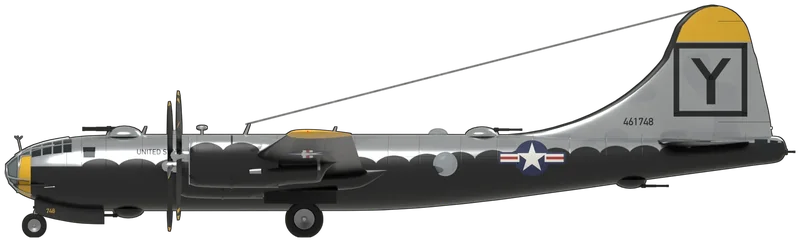
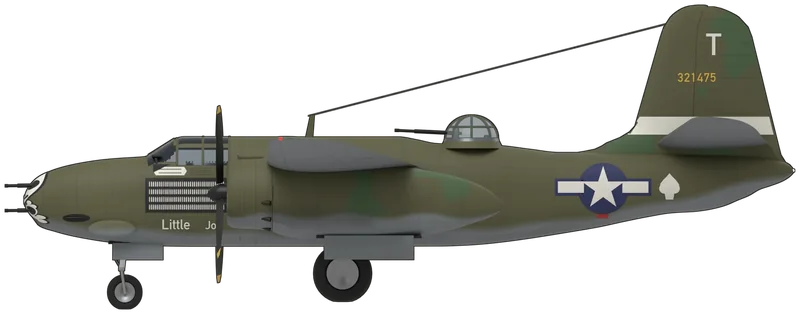
A second phase, helped by a $6 million gift from Airbus Americas in 2008, moved the Smithsonian's back-room work from Suitland to Chantilly: the Mary Baker Engen Restoration Hangar, with a public gallery overlooking the shop floor, the Emil Buehler Conservation Laboratory, archives and collections storage. It opened in 2011 and has since been home to long projects such as the Horten Ho 229 V3 flying wing and the Martin B-26B Flak-Bait, 41-31773, survivor of 202 combat missions. Today the museum counts well over 200 aircraft and spacecraft on display and receives over a million visits a year.
The National Mall building, meanwhile, has spent most of the 2020s under a gallery-by-gallery renovation, and objects have moved both ways: the Lockheed P-38J 42-67762, for instance, went back downtown in 2022. A further expansion at Chantilly was approved in September 2025, intended to add about a fifth more space by around 2028 and to bring Flak-Bait and the newly acquired B-17 Shoo Shoo Shoo Baby onto permanent display.