How the collection came to be
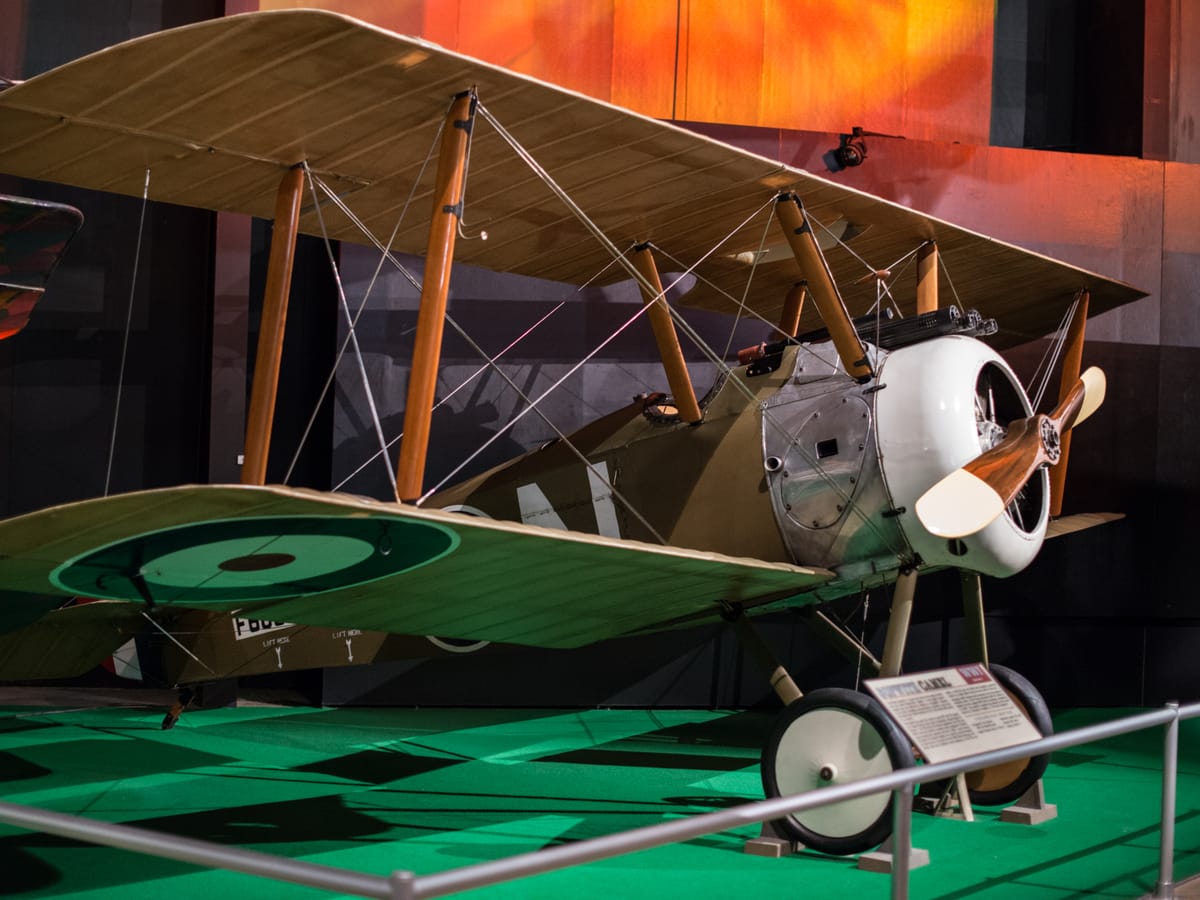
The collection began in 1923 in the corner of a hangar at McCook Field, the Army’s engineering station near downtown Dayton, as a few First World War aeroplanes and items of equipment, American and foreign, kept for the engineers to study. When local subscribers bought the land for Wright Field, the museum went with the Engineering Division. From 1927 to 1935 it occupied 8,100 sq ft of a laboratory building, and in 1935 it got a purpose-built home, paid for by the Works Progress Administration at a cost of $203,000. By then it held more than 3,000 items. In 1941 the building was taken over for war work and the collection went into store.
After the war General H. H. Arnold had aircraft gathered for the Smithsonian’s new National Air Museum. In 1947 the Air Force decided to revive its own museum from what the Smithsonian did not need, this time with the emphasis on technical development. It was housed in Building 89 at Patterson Field, a wartime engine-overhaul shop, and could be seen by appointment only until April 1955, when it opened to the public; 41,662 people came that year. The shed was neither fireproof nor air-conditioned, with posts every 16 ft that dictated where an aeroplane could stand, and many airframes were parked outside in the Ohio weather.
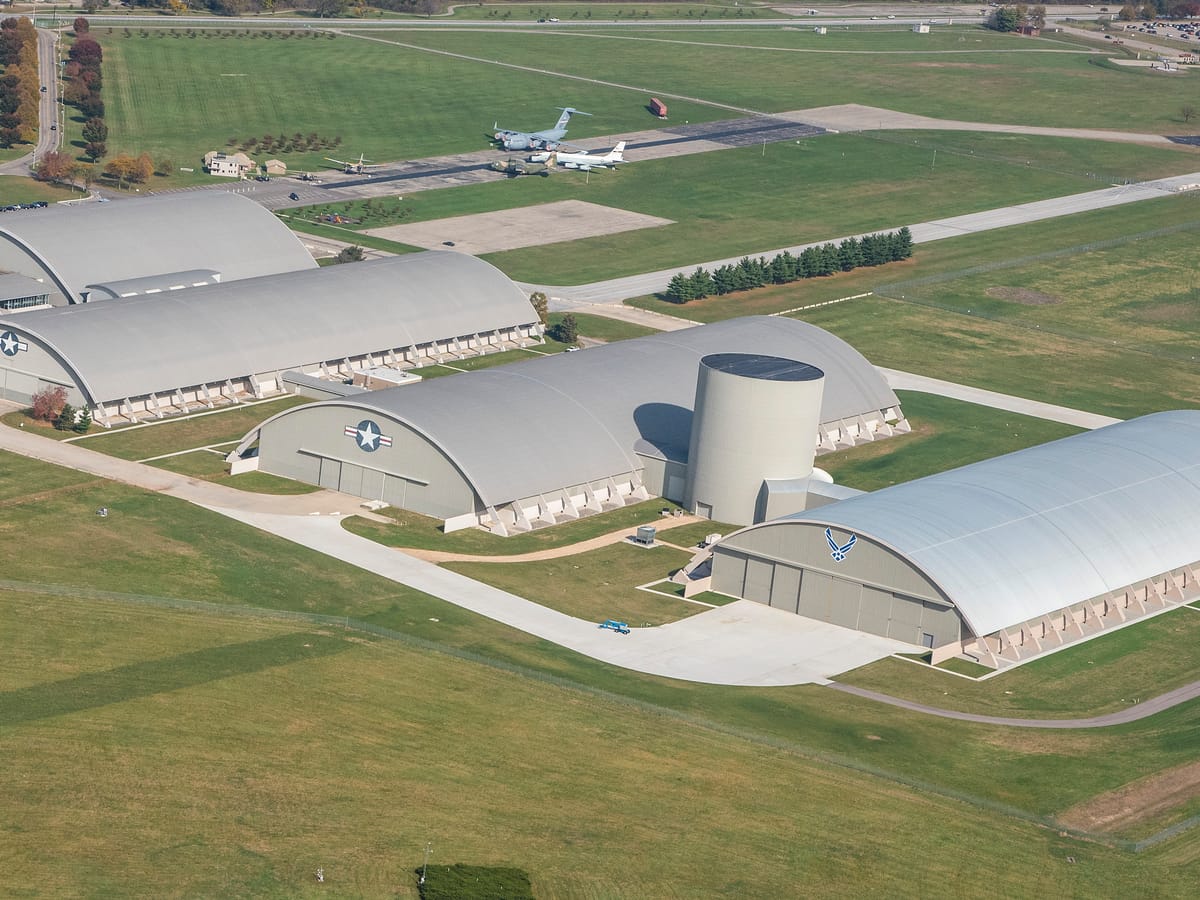
The Air Force Museum Foundation was set up in 1960 to build something better. Eugene Kettering led the campaign, and after his death in 1969 his widow Virginia saw it through. The $6.5 million building, 800 ft by 240 ft and paid for entirely by public subscription, opened on a 400-acre site at Wright Field in 1971, and President Nixon dedicated it that September. A visitor reception centre followed in 1976, and in 1977 twin hangars on the old Wright Field flight line took the presidential and research aircraft. Because these stood inside the base, visitors needed extra security checks and a museum bus to reach them. In April 1988 a second, matching building opened for the Korean War and Southeast Asia galleries. A 500-seat IMAX theatre arrived in May 1991 and was converted in 2012 to a 400-seat digital 3D cinema.
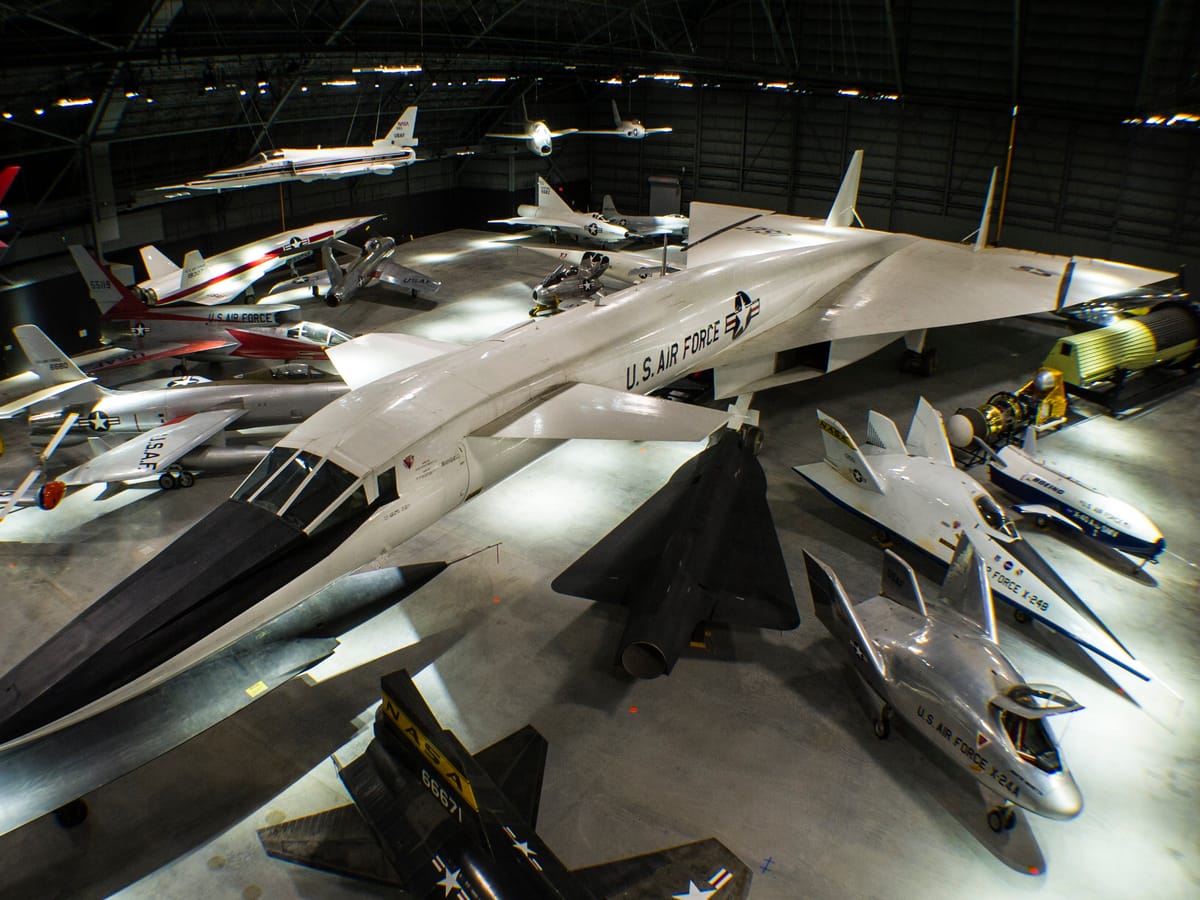
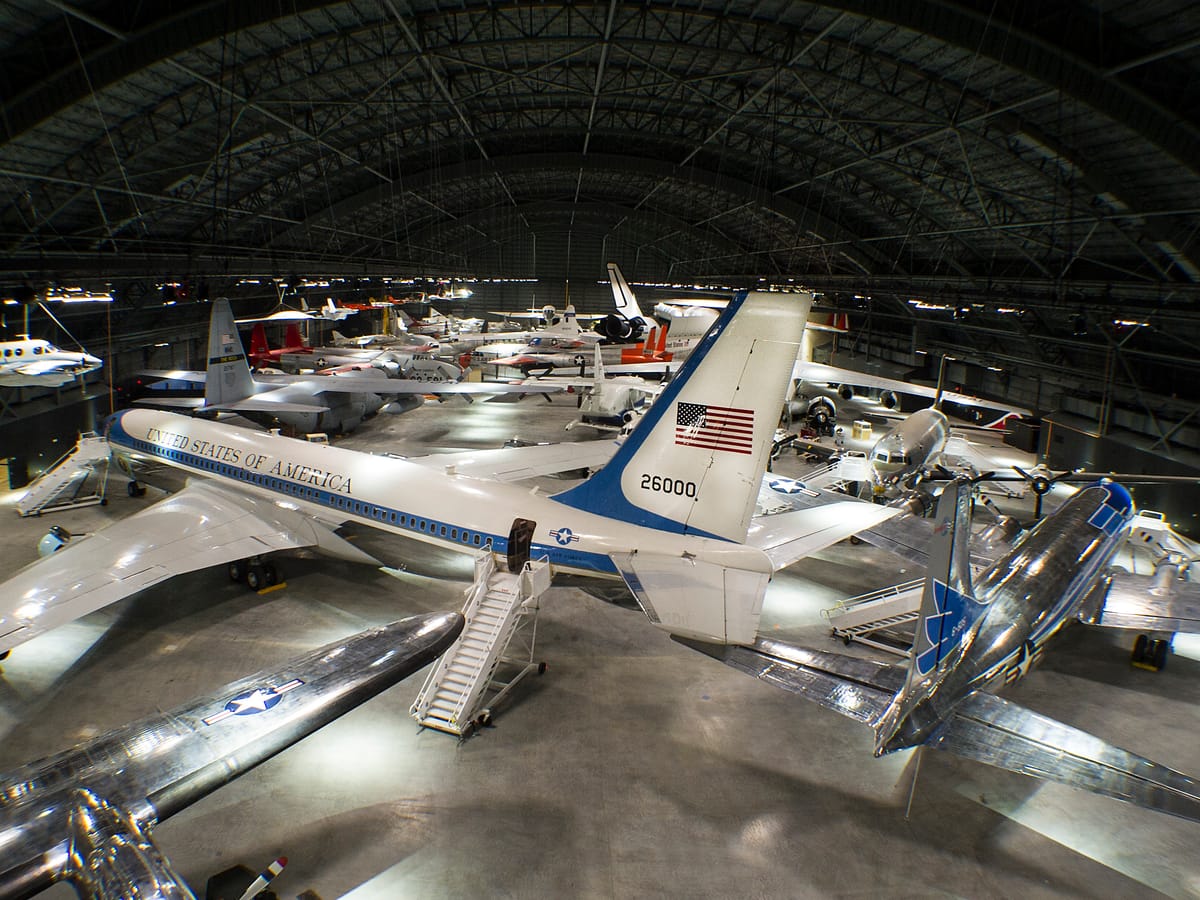
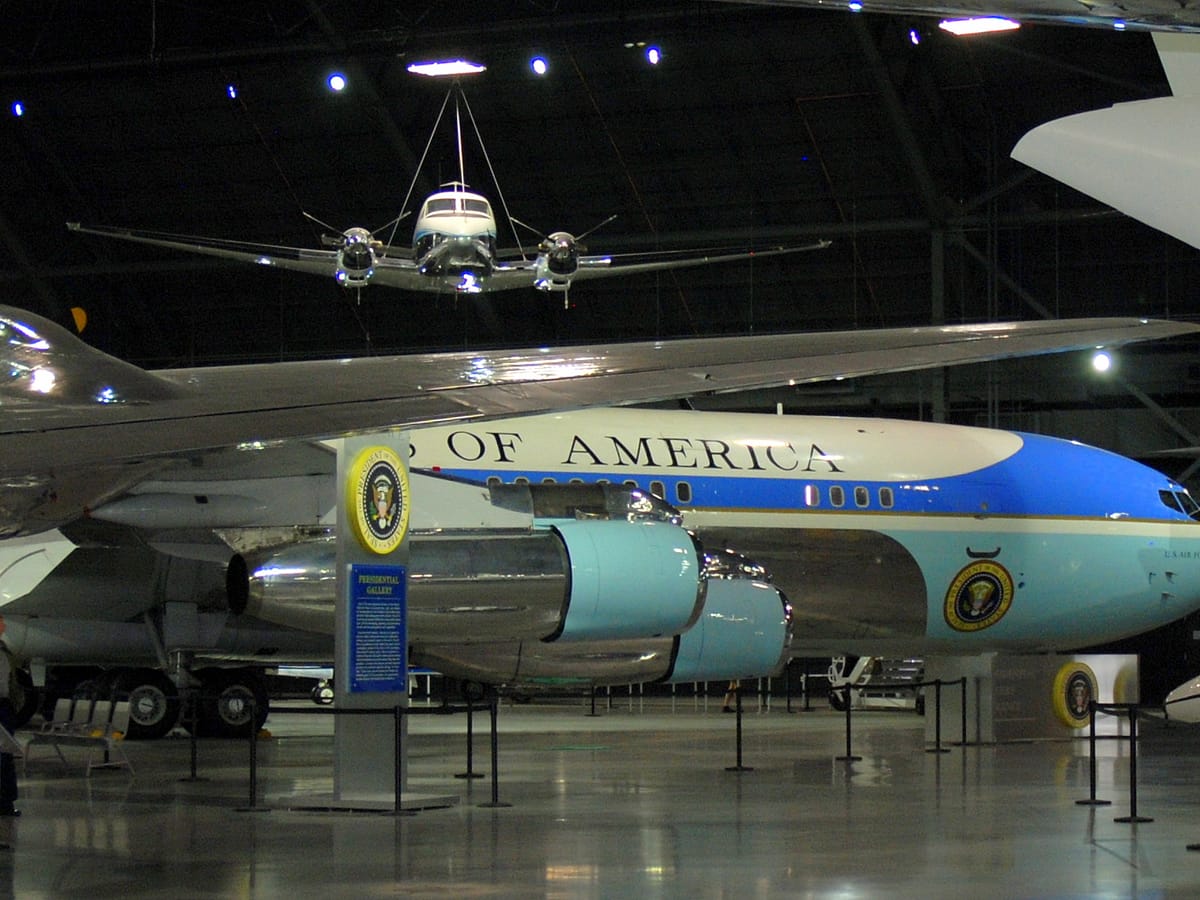
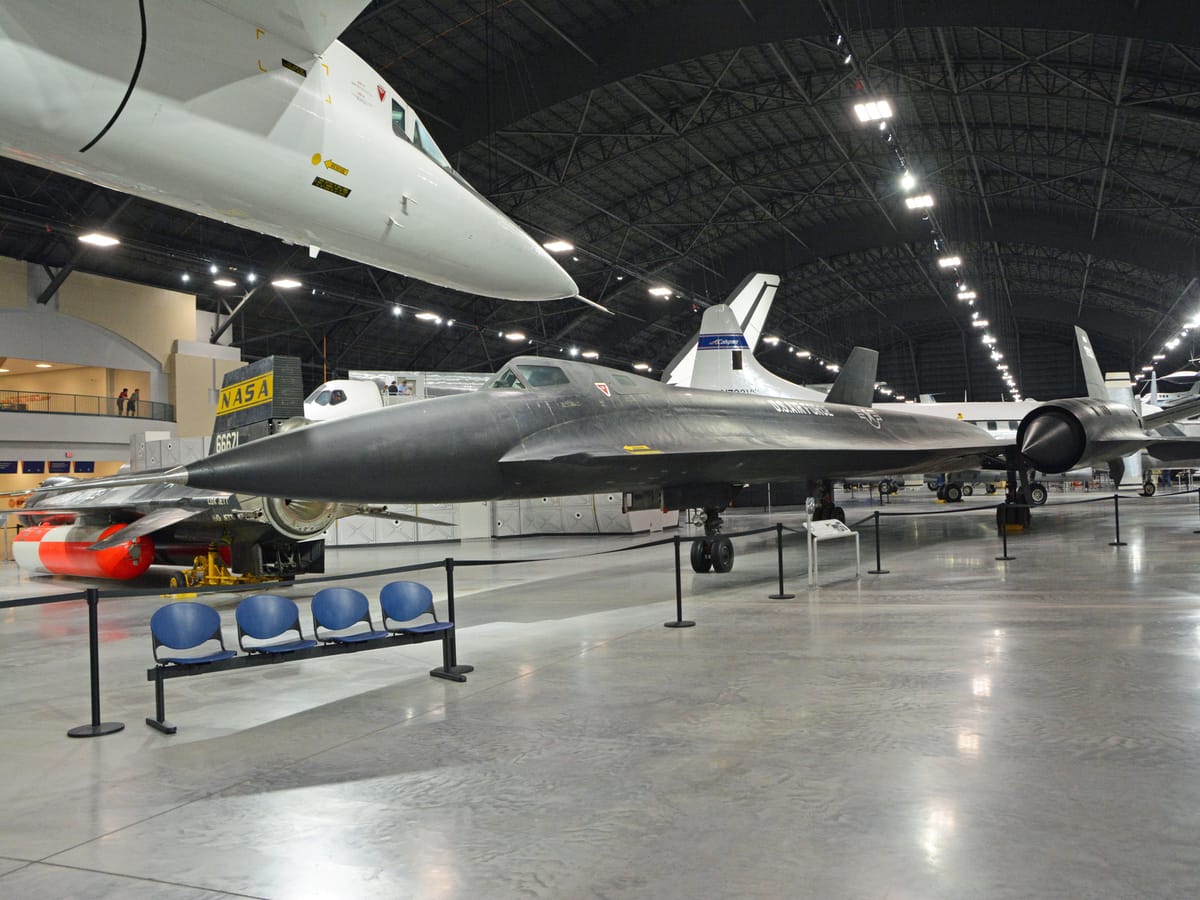
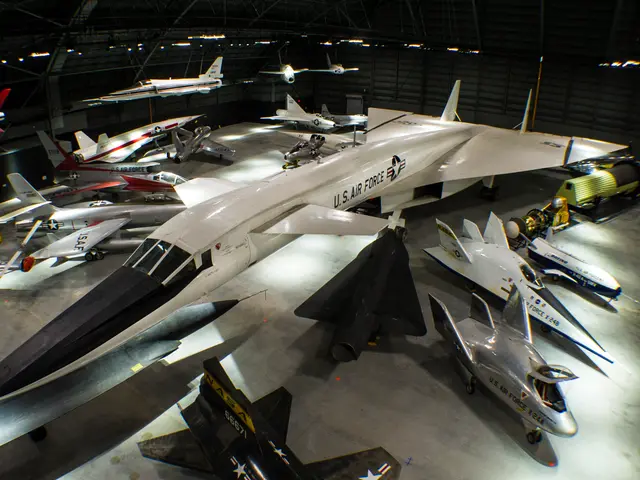
The third building, the $22.3 million Eugene W. Kettering Cold War Gallery, opened in 2003 and let the galleries be put back into chronological order. The Missile and Space Gallery, a $3.4 million silo, followed in 2004. In October 2004 the United States Air Force Museum was renamed the National Museum of the United States Air Force. The XB-70A was towed out of the flight-line hangars in October 2015, and in June 2016 the Foundation-funded fourth building opened, with 224,000 sq ft for the Presidential, Research & Development, Space and Global Reach galleries. The museum reports that more than 70 aircraft came out of storage or the annex as a result, and visitors no longer needed the base bus.
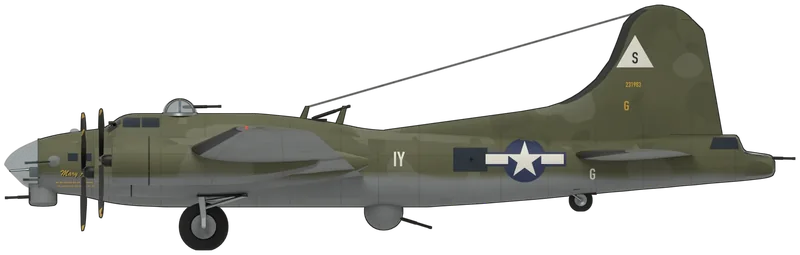
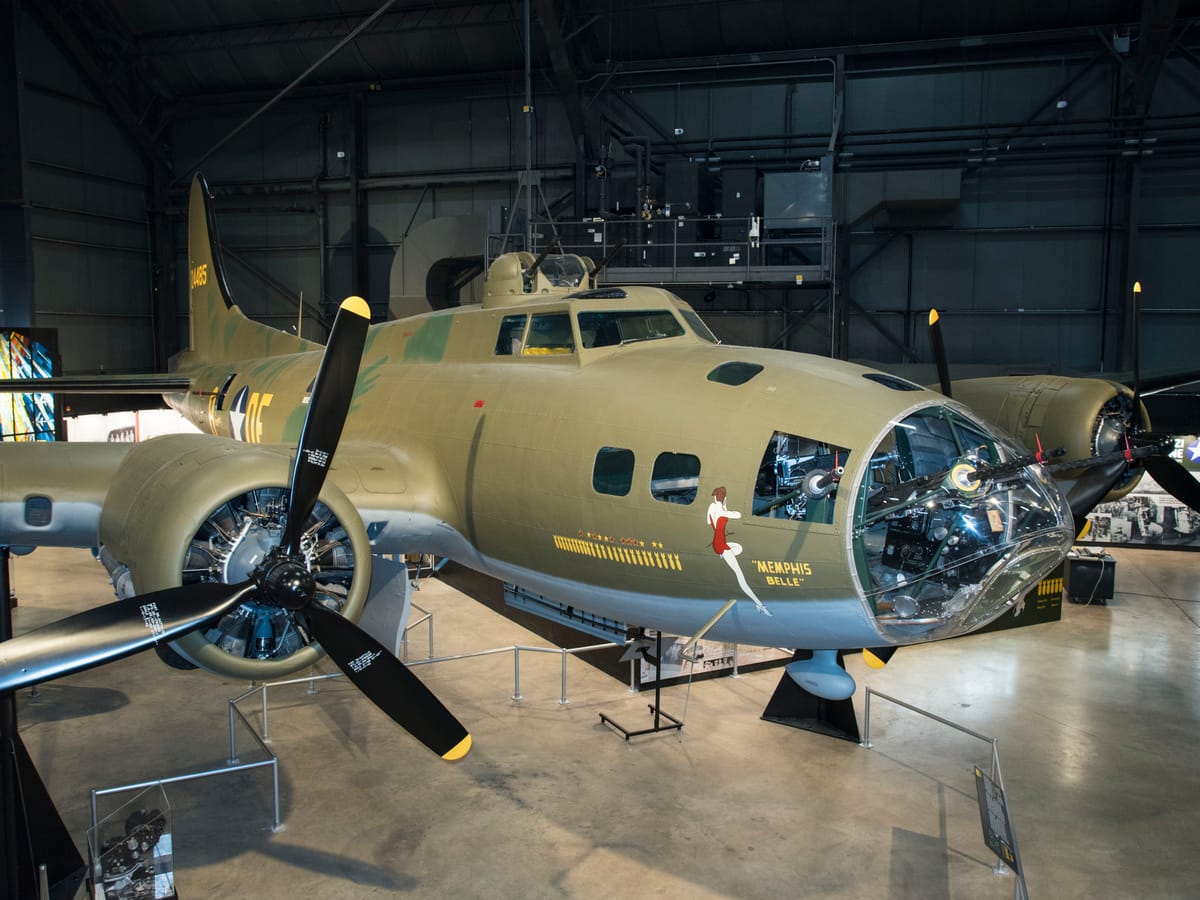
Recent years have brought some of its most important arrivals. The B-17F Memphis Belle came from the city of Memphis in 2005, and after thirteen years of restoration it went on show on 17 May 2018, 75 years to the day after her crew’s last mission. The museum has since received a KC-135R and a KC-10A for the Air Park, and in 2024 it put the restored Boeing X-32A on display. On 28 February 2024 a tornado damaged Restoration Hangar 4 on the base. Today the museum draws about a million visitors a year and lends many duplicate airframes to other museums and to bases.