AP 118 · No. 10 Section I · Museums Overseas supplement · CA-01
CA-01Hero museum

Canadian Warplane Heritage Museum

Hamilton, Ontario · Canada

Canada's flying collection, in a hangar on the edge of Hamilton airport: about 45 aircraft, a good many of them airworthy, and one of the two Lancasters left in the air.

~47
Aircraft
C$14.25
Adult ticket
1972
Opened
3,580
Miles from London
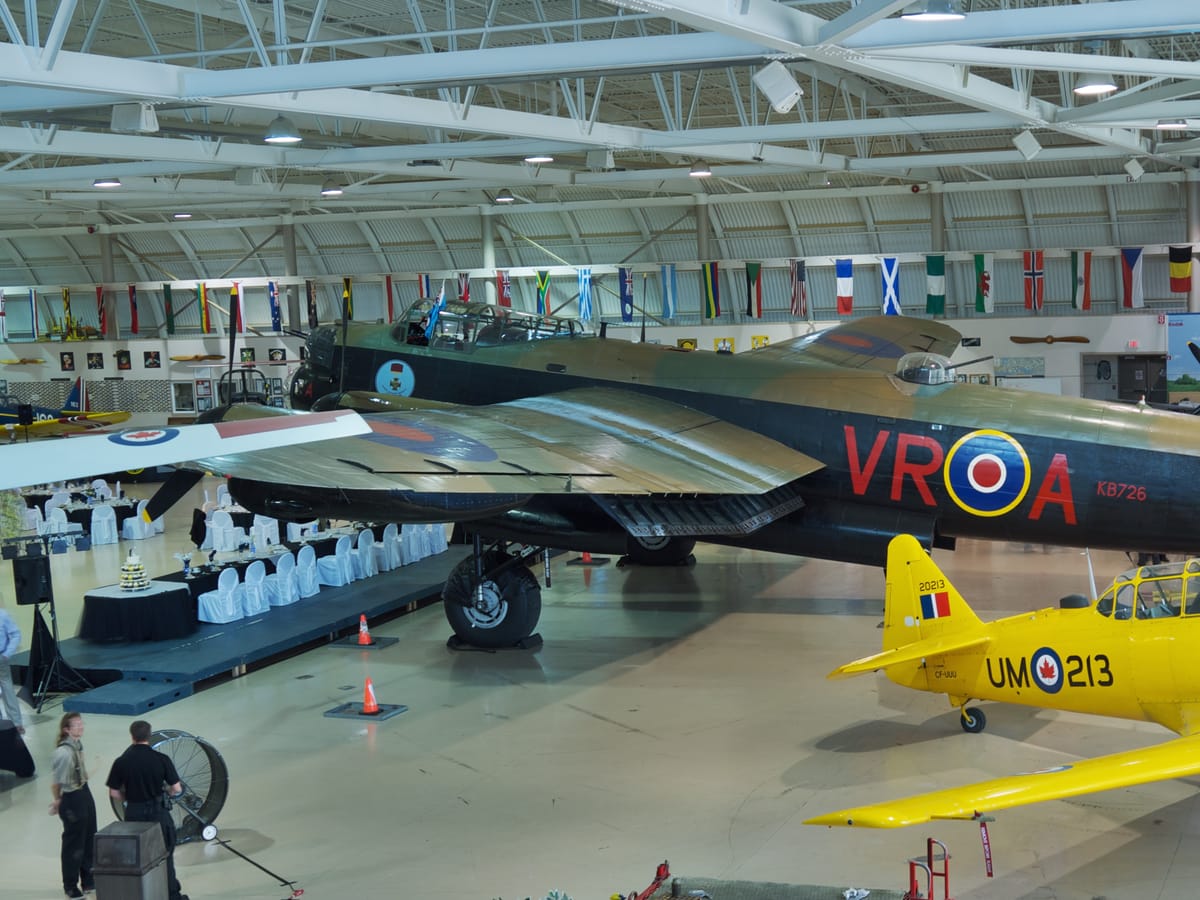
Dark green and brown Avro Lancaster bomber with red VR-A codes parked inside a bright hangar, with a yellow training aircraft in front
Lancaster FM213 in VR-A markings on the hangar floor, 2015 · JustSomePics · CC BY-SA 4.0
Flight plan

Getting there from Britain

Great-circle route from London Heathrow to Canadian Warplane Heritage Museum 120°W100°W80°W60°W40°W20°W0°30°N40°N50°N60°N CA-01 Hamilton LHR London
The way there: the great-circle track from Heathrow, the shortest line on a curved earth, drawn on a flat chart.
From Heathrow
3,580 miles
Nearest airport
Toronto Pearson (YYZ), about an hour by road
Local time
Eastern time, five hours behind London
Allow
Two hours; a day when they fly
Visit

Tickets & opening times

Admission

Adults (18–64) C$14.25; seniors (65+) and students (13–17) C$12.50; youth (6–12) C$9.75; children 5 and under free. Sales tax is added. Fly Zone VR simulator tickets bought online include admission.

Parking. Free parking in the museum's own lot, with overflow parking at the airport during large events. No overnight parking. Hamilton Street Railway route 20 (A-Line Express) stops less than a minute's walk away at Airport Road and East Cargo Road/Provident Way.

Food. Yes. The licensed Runway Café serves breakfast, lunch and a children's menu (Wed 9am–3:30pm, Thu–Sun 9am–4pm; you need an admission ticket to use it). The gift shop sells drinks and snacks and can be visited without a ticket. You may not bring outside food or drink into the museum.

Access. All areas are wheelchair accessible except the Fly Zone, TG Room, Radio Room and Observation Deck, which you reach by stairs only. Wheelchairs can be borrowed free, and support persons get in free (the museum is an Access 2 Entertainment partner). All toilets are accessible.

Checked against the museum’s own site, 28 October 2026.

Opening times

Wednesday to Sunday, 9am–5pm; closed Mondays and Tuesdays. Closes early at 4pm on 14 November 2026. Holiday closure from noon on 24 December 2026 to 1 January 2027 inclusive. Flying aircraft may be away from the hangar floor in spring, summer and autumn, so ring ahead if you are coming to see one particular aeroplane.

DayAll year14 Nov–14 Nov24 Dec–24 Dec
MondayClosedClosedClosed
TuesdayClosedClosedClosed
Wednesday9am–5pmClosedClosed
Thursday9am–5pmClosed9am–12pm
Friday9am–5pmClosedClosed
Saturday9am–5pm9am–4pmClosed
Sunday9am–5pmClosedClosed

Hours in local time, from the museum’s site, 28 October 2026.

Station briefing

About this museum

A delta-shaped hangar on the edge of Hamilton's airport, about an hour's drive from Toronto, that holds Canada's great flying collection. Most of its 45 or so aircraft are Canadian service types: yellow BCATP trainers, Cold War jets, and maritime aeroplanes from both coasts. The difference here is that a good many of them still fly. The centrepiece is Lancaster B.X FM213, one of only two airworthy Lancasters in the world and, by the museum's own account, the only one you can buy a seat in. Around it stand a flying Firefly, B-25, Canso and Dakota, a Castle Bromwich Spitfire, and a restoration floor where the work can be watched in progress. For a British visitor it is the other half of the Commonwealth air-training story, kept in working order by volunteers. It deserves a full day, and a flight if you have the money and the luck.

~10Fighters~6Bombers & patrol~21Trainers~7Transports~3Liaison & observation
Prize exhibits
  • Avro Lancaster B.X FM213: the Mynarski Memorial Lancaster, one of two airworthy in the world
  • Fairey Firefly AS.6 WH632: per the museum, the only Firefly still flying
  • Supermarine Spitfire LF.XVIe TE214: built at Castle Bromwich and ex-RAF Central Gunnery School
  • Douglas C-47 Dakota FZ692: flew with 437 Squadron at Normandy and the Rhine crossing, and still flies
  • Consolidated Canso A 11084: airworthy, dedicated to David Hornell VC
Star of the show

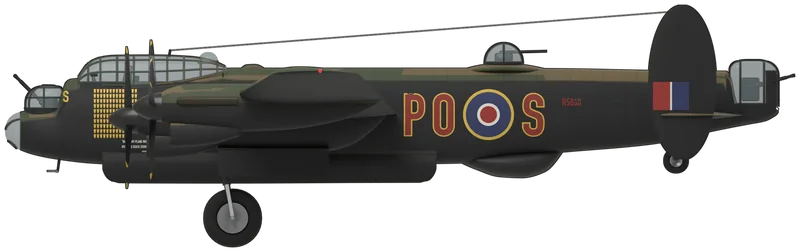
Avro Lancaster B.X FM213 (C-GVRA), the Mynarski Memorial Lancaster in the markings of 419 Squadron's KB726 VR-A, one of only two airworthy Lancasters in the world.

Visitor intel

Allow two hours for the hangar, and longer on a flying day. Passenger flights need museum membership and advance booking. Lancaster seats for 2027 go on sale online at 9am EST on 19 November 2026 and usually sell out within minutes to hours; other aircraft go on sale on 1 December. The museum is a flying operation, so between spring and autumn particular aircraft may be away at airshows. Telephone before travelling to see one machine, and look out for the volunteer-staffed CF-100 cockpit, which visitors may climb into.

The story

How the collection came to be

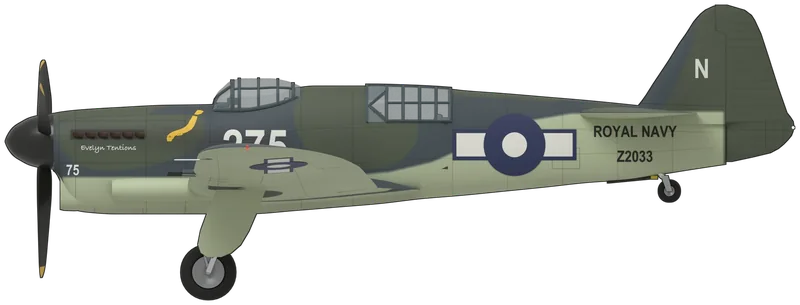
Canadian Warplane Heritage began, as these things usually do, with a few friends and one aeroplane. Dennis Bradley and Alan Ness went looking for a Spitfire and came back with a Fairey Firefly from Australia, bought in October 1971 according to the Canadian Aviation Hall of Fame. They brought in Peter Matthews and John Weir as partners. Mindful of the liabilities of flying a warbird privately, the four set up a non-profit body named Canadian Warplane Heritage. The Firefly was test-flown on 4 June 1972, and that year the group moved into part of a hangar at Hamilton Airport. A Chipmunk followed, then a Seafire, Corsair, Harvard and Tiger Moth. Hangar 4, and later Hangar 3 for restoration, gave the collection and its volunteers a permanent home.

In 1975 the B-25J Mitchell arrived. The museum had found it abandoned at Wilmington, Delaware, and its arrival reputedly involved a mock strafing of the airfield with watermelons. The Lysander and Cessna Crane came the same year. In 1977 two things happened. The museum acquired Lancaster FM213, which had stood for years on a concrete pedestal outside Royal Canadian Legion Branch 109 at Goderich, and Alan Ness was killed when the Firefly he was flying at the Canadian International Air Show crashed into Lake Ontario. The Lancaster was lifted to Hamilton by a Canadian Forces Chinook of 450 Squadron, which treated the job as a heavy-lift training exercise. It reached the museum in 1979 and, after eleven years of volunteer work, flew again on 24 September 1988 in front of 20,000 people.

Fire struck on 15 February 1993. Most of Hangar 3 burned, and with it the administrative offices, the engineering records, all the ground equipment and five aircraft: the Hurricane, Avenger, Auster, Stinson 105 and Spitfire. The Lancaster was standing on jacks only feet from the flames. It was hours before anyone could fit its wheels and tow it clear. The Fleet Finch and Bolingbroke restoration projects were also saved. With money from all three levels of government, the museum then built the present 108,000 sq ft delta-wing building, which its patron, the Prince of Wales, opened on 26 April 1996.

The collection has since grown back past forty aircraft, including replacements for some of the 1993 losses. The Avenger is now TBM-3E 53858, a former Californian fire-bomber and New Brunswick budworm sprayer acquired in 2009, and a Spitfire arrived in 1997 when TE214 came on loan from the national collection. Ownership of TE214 passed to the museum in October 2022. Dakota FZ692, a 437 Squadron veteran of Normandy and the Rhine crossing, was donated in May 2014. Later that summer FM213 flew the Atlantic to RAF Coningsby and spent about six weeks touring the United Kingdom alongside the Battle of Britain Memorial Flight's PA474. It returned to Hamilton on 29 September 2014.

The museum is still run largely by volunteers, with a paid staff since 1978, and funded mainly by members and donors. Its aircraft carry the names of particular men. FM213 is dedicated to P/O Andrew Mynarski VC of 419 Squadron, Canso 11084 to F/L David Hornell VC of 162 Squadron, and Spitfire TE214 to S/L Thomas DeCourcy DFC of 443 Squadron. Bolingbroke 10117, rebuilt from the remains of eight aircraft salvaged in Manitoba, will wear the markings of No. 119 'City of Hamilton' Squadron. Restoration continues alongside the flying: the Tracker and a Tiger Moth are being returned to flying condition, and the Spitfire is due to follow.
Across the water

The British connection

Much of the collection is British, or has passed through British hands. Spitfire LF.XVIe TE214 was built at Castle Bromwich in 1945, served with the RAF Central Gunnery School at Leconfield until 1950, and was displayed at RAF Ternhill from 1956 to 1960 before going to the RCAF. Firefly WH632, built in 1951, first served with the Royal Naval Volunteer Reserve at Ford. The Lancaster is a Victory Aircraft B.X built at Malton, but its 1952 replacement centre section came from a Lancaster that had flown in combat over Germany. In 2014 it flew to RAF Coningsby for a six-week UK tour with the BBMF's PA474. The B-25J wears the colours of No. 98 Squadron RAF, the Chipmunk displays RAF serial WP539, and the Stearman's display notes record that some 10,000 RAF and Fleet Air Arm pilots learned to fly on the type at British Flying Training Schools in the United States. The Anson, Cornells, Tiger Moths, Fleet Forts, Crane and Bolingbroke are all relics of the British Commonwealth Air Training Plan, and the Bolingbroke itself is a Canadian-built Blenheim. The building was opened by the Prince of Wales, the museum's patron, in 1996.

Prize exhibits

8 airframes not to miss

  1. Hangar profile

    Avro Lancaster B.X

    FM213 / C-GVRA

    Built by Victory Aircraft at Malton in July 1945 and later converted to 10MR maritime standard. A serious accident in 1952 led to a replacement wing centre section taken from a Lancaster that had flown in combat over Germany. It served with 405 Squadron at Greenwood and 107 Rescue Unit at Torbay, was retired in late 1963, and then stood outside the Legion at Goderich. The museum acquired it in 1977 and flew it again on 24 September 1988, painted as Andrew Mynarski's KB726 VR-A.

    Turn it in 3DAvro Lancaster in Britain

  2. Hangar profile

    Fairey Firefly AS.6

    WH632 / C-GBDG

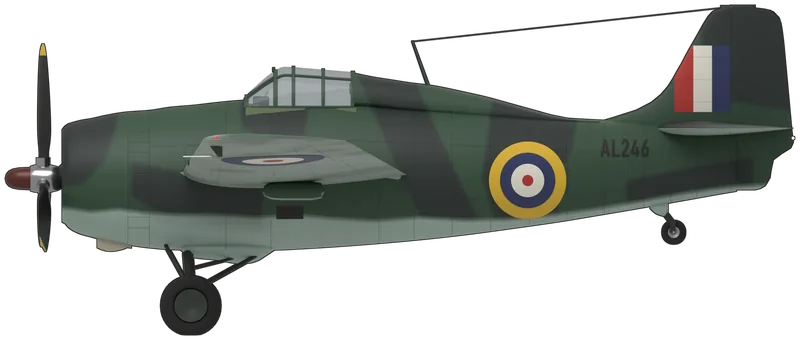
    Built in 1951 and first flown by the Royal Naval Volunteer Reserve at Ford, WH632 went to the Royal Australian Navy in 1953, retired in 1960 and ended up in a museum in New South Wales. Hamilton bought it in 1979 to replace the Firefly lost with Alan Ness in 1977. It is painted as an 825 Squadron RCN Mk.5 from HMCS Magnificent, and the museum describes it as the only Firefly still in flying condition.

    Turn it in 3DFairey Fulmar & Firefly in Britain

  3. Hangar profile

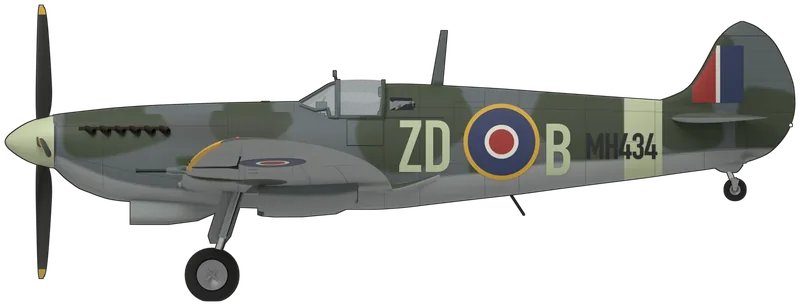
    Supermarine Spitfire LF.XVIe

    TE214

    Built at Castle Bromwich in 1945 and flown by the RAF Central Gunnery School at Leconfield until 1950. It was displayed at RAF Ternhill from 1956, at first under the fictitious serial TE353. In 1960 it went to the RCAF for Battle of Britain week on Parliament Hill, then to the national collection, and came to Hamilton on loan in 1997. The museum took ownership in 2022. It now wears 443 Squadron markings as TD239 (2I-C) for S/L Thomas DeCourcy DFC, and a return to flight is planned.

    Turn it in 3DSupermarine Spitfire in Britain

  4. Hangar profile

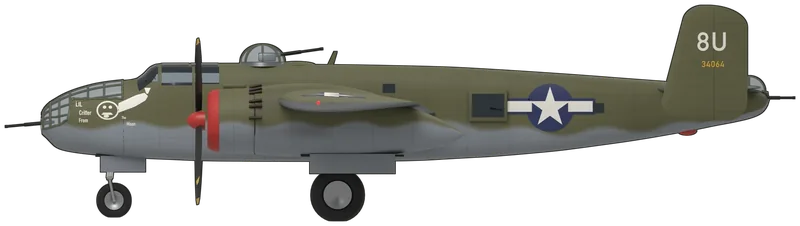
    North American B-25J Mitchell III

    45-8883 / C-GCWM

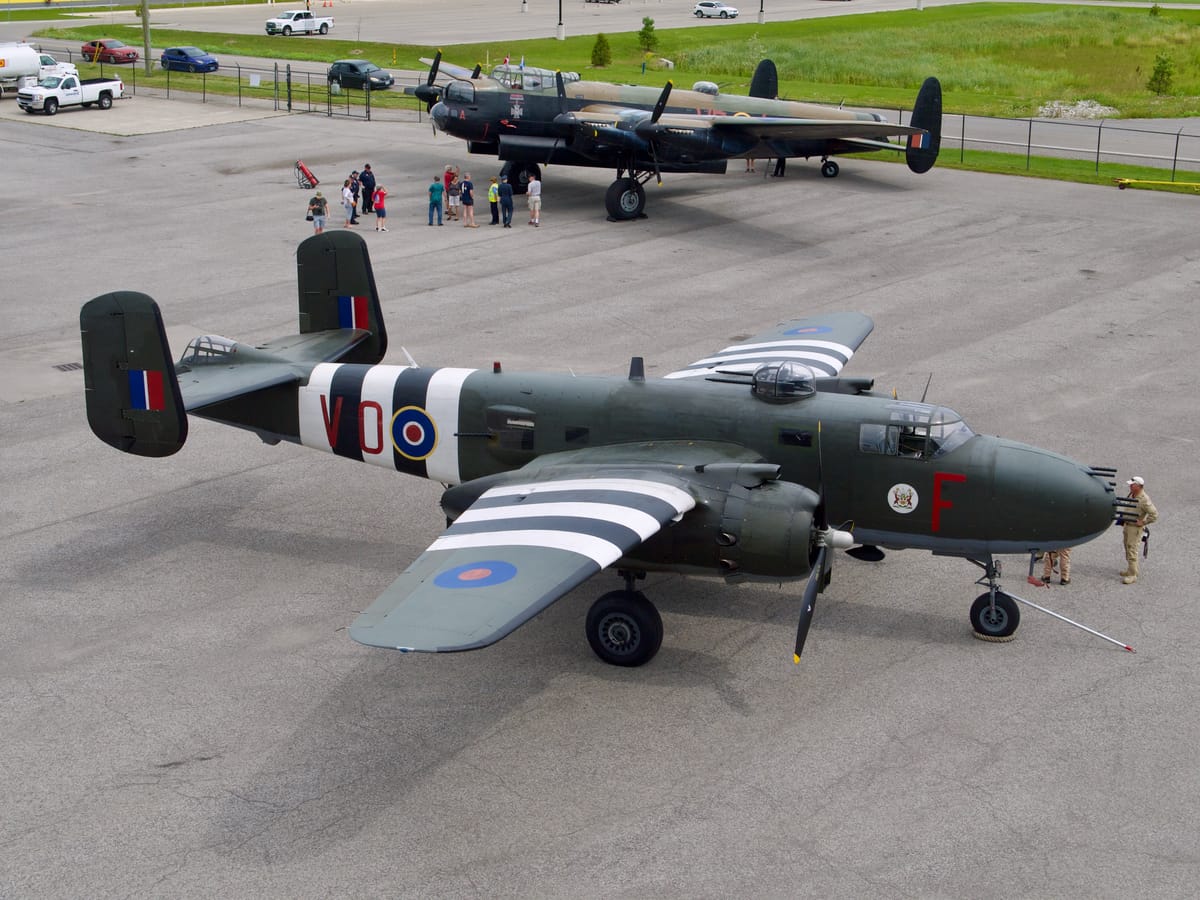
    Assembled at Kansas City in early 1945, it never saw military service and spent more than 25 years as a civil transport. The museum found it abandoned at Wilmington, Delaware, in 1975 and patched it up enough to fly it home. Fully restored, it wears the markings of No. 98 Squadron RAF, the 2nd Tactical Air Force Mitchell unit, as a memorial to the Canadians who flew with it over north-west Europe in 1944–45.

    Turn it in 3DNorth American B-25 Mitchell in Britain

  5. Hangar profile

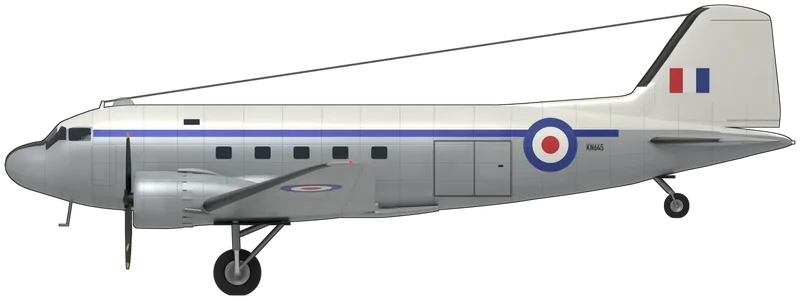
    Douglas C-47 Dakota

    FZ692 / C-GRSB

    Delivered to the RAF in February 1944 and to 437 Squadron RCAF that September. It flew 224 operational sorties, took part in Normandy and the Rhine crossing, evacuated 298 casualties and repatriated 456 prisoners of war. It was later renumbered 12945 and flew search and rescue with 424 Squadron, then made environmental survey flights for Environment Canada. It was donated in 2014 and restored to its 1945 437 Squadron finish.

    Turn it in 3DDouglas C-47 Dakota in Britain

  6. Hangar profile

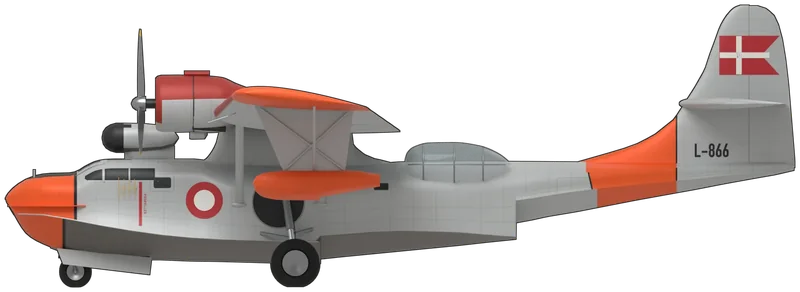
    Consolidated PBY-5A Canso A

    RCAF 11084 / C-FPQL

    Built by Canadian Vickers in Montreal in 1944, it served with the RCAF until 1961 and then flew commercially until 1995, when donors bought it for the museum. It is painted as 9754 of 162 Squadron, the unit that sank six U-boats from Iceland and Scotland. The aircraft is dedicated to F/L David Hornell, awarded a posthumous VC after his Canso sank U-1225 on 24 June 1944.

    Turn it in 3DConsolidated PBY Catalina in Britain

  7. Hangar profile

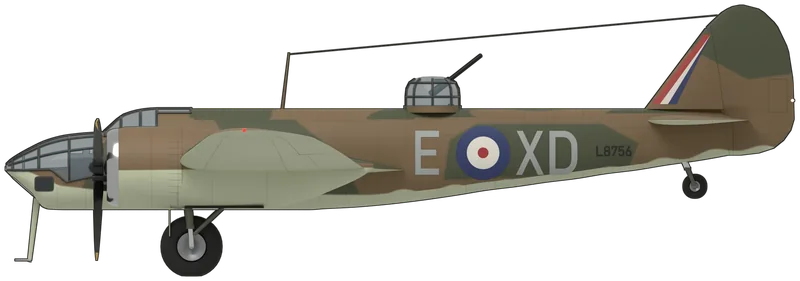
    Bristol Bolingbroke IVT

    RCAF 10117

    The Bolingbroke was the Canadian-built Blenheim. Fairchild at Longueuil built 626 of them, most for the BCATP's bombing and gunnery schools. Hamilton's example is being rebuilt from the remains of eight aircraft salvaged in Manitoba in the mid-1980s, and it survived the 1993 hangar fire as a restoration project. When finished it will wear the markings of No. 119 'City of Hamilton' Squadron.

    Turn it in 3DBristol Blenheim in Britain

  8. Hangar profile

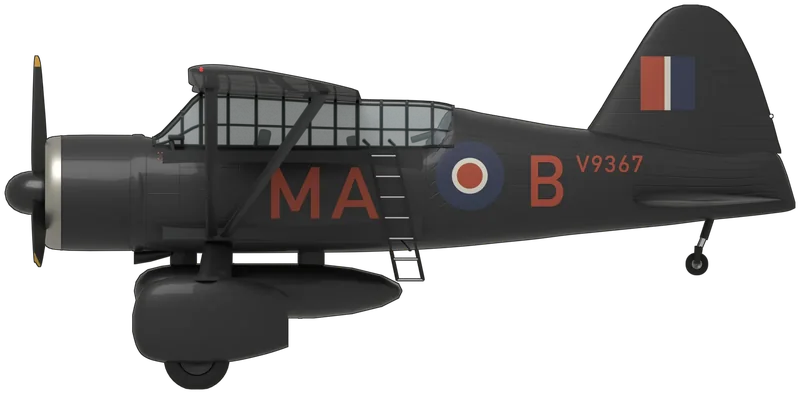
    Westland Lysander IIIA

    RCAF 2363 / C-GCWL

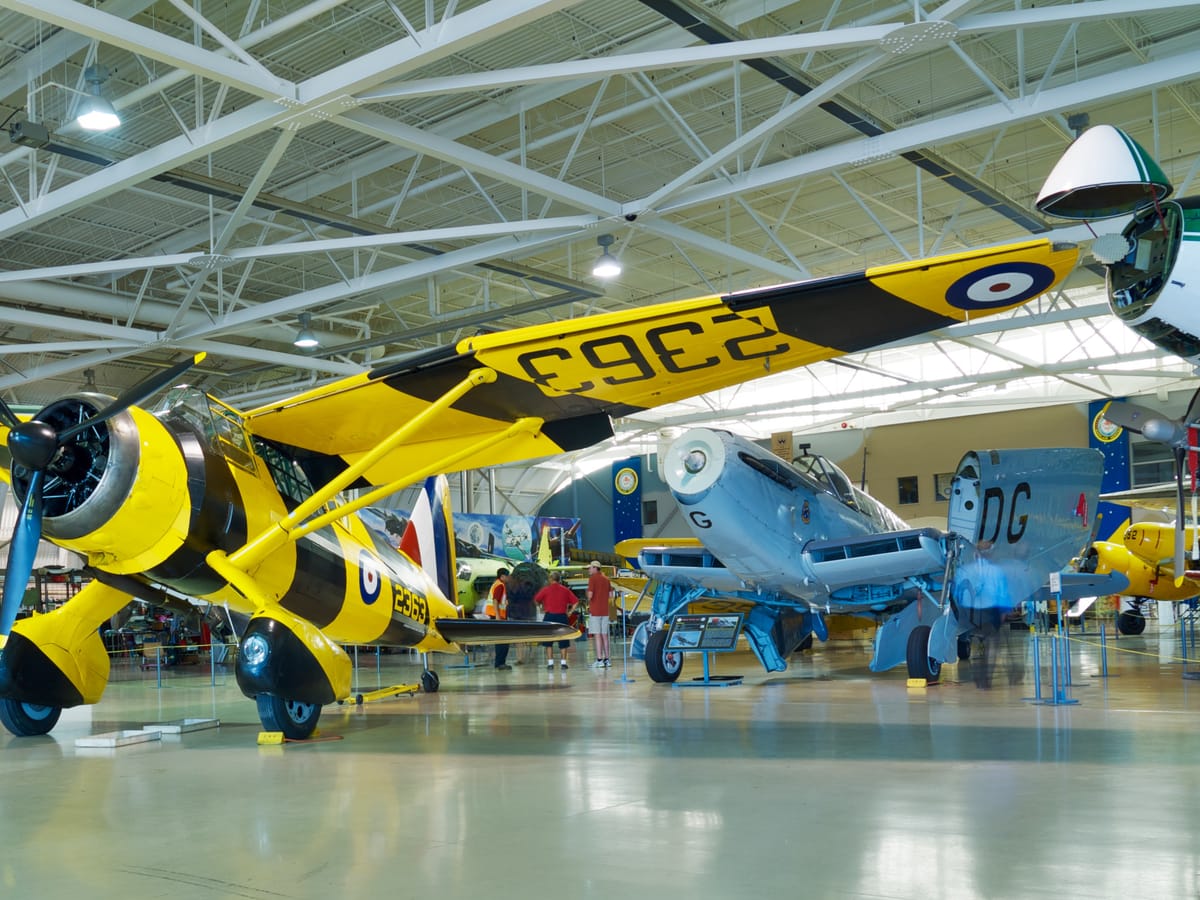
    Built by National Steel Car at Malton in June 1942, the works that later became Victory Aircraft and built FM213. It towed targets at No. 8 Bombing & Gunnery School, Lethbridge, was sold to a prairie farmer in 1946 and was donated in 1975. Restoration started at Niagara Falls in 1983, and the aircraft flew again in 2009 in black-and-yellow target-tug stripes. The museum currently lists it as in storage.

    Turn it in 3DWestland Lysander in Britain

Beyond the halls

Flights, tours & extras

Lancaster flight

About an hour aboard FM213, with four seats in a row in the mid-fuselage. Passengers may move about once the aircraft is at altitude, but the nose and tail turret are off limits. C$5,000 per seat plus membership (adult C$125, senior C$100); a C$1,300 tax receipt is issued. 2027 seats go on sale at 9am EST on 19 November 2026. Passengers must be at least 12 and able to climb a 4–5 step ladder unaided.

Vintage aircraft flights

Members' flights in the Dakota (C$400, 50 min), Norseman (C$275, 20 min), Chipmunk (C$350), Tiger Moth (C$350), Harvard (C$500), Stearman (C$500, 24 min), B-25 Mitchell (C$900), Canso (C$800, 50 min) and Firefly (C$2,500). The 2027 seats for these aircraft go on sale on 1 December 2026. The flying season usually runs from June to November.

Fly Zone VR simulator

Virtual-reality fighter missions led by staff 'Mission Commanders': C$29.99 for 30 minutes or C$49.99 for 60 minutes, with free museum admission when booked online. Open Wednesday to Sunday, 9:30am–4:30pm. Minimum age 12.

Cockpit viewing

Viewing stands beside several aircraft let you look into the cockpit. When volunteers are on duty you can climb into the CF-100's cockpit.

Sleepovers and education

The museum runs sleepovers in the hangar, school visits, virtual field trips and a summer camp, all booked through its education programme.

Photographs

At the museum

Dark green and brown Avro Lancaster bomber with red VR-A codes parked inside a bright hangar, with a yellow training aircraft in front
Lancaster FM213 in VR-A markings on the hangar floor, 2015JustSomePics · CC BY-SA 4.0
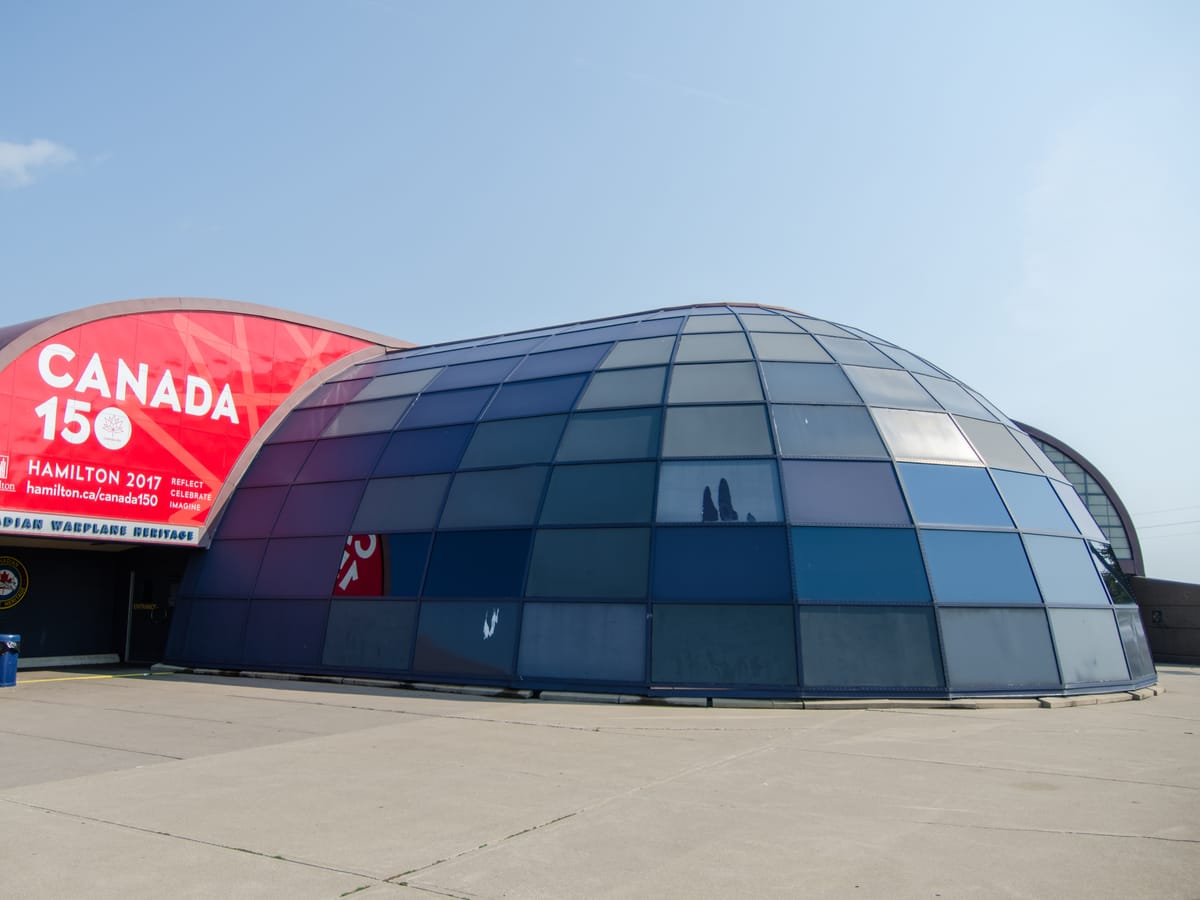
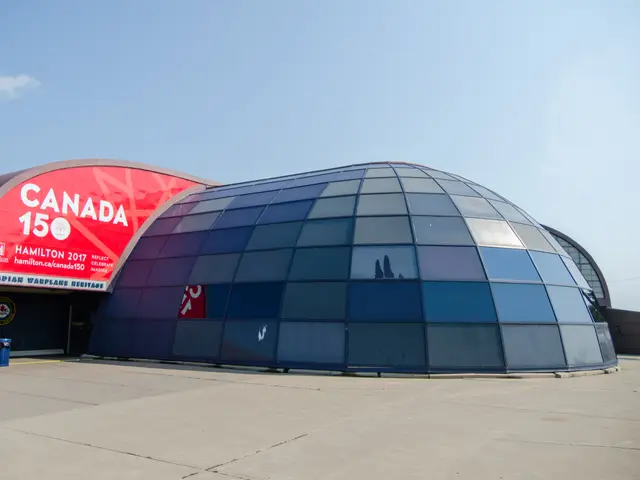
Glass-panelled dome entrance in front of a long curved maroon hangar roof, with a red Canada 150 banner
The museum's glazed entrance dome and hangar, 2017Jeff Hitchcock · CC BY 2.0
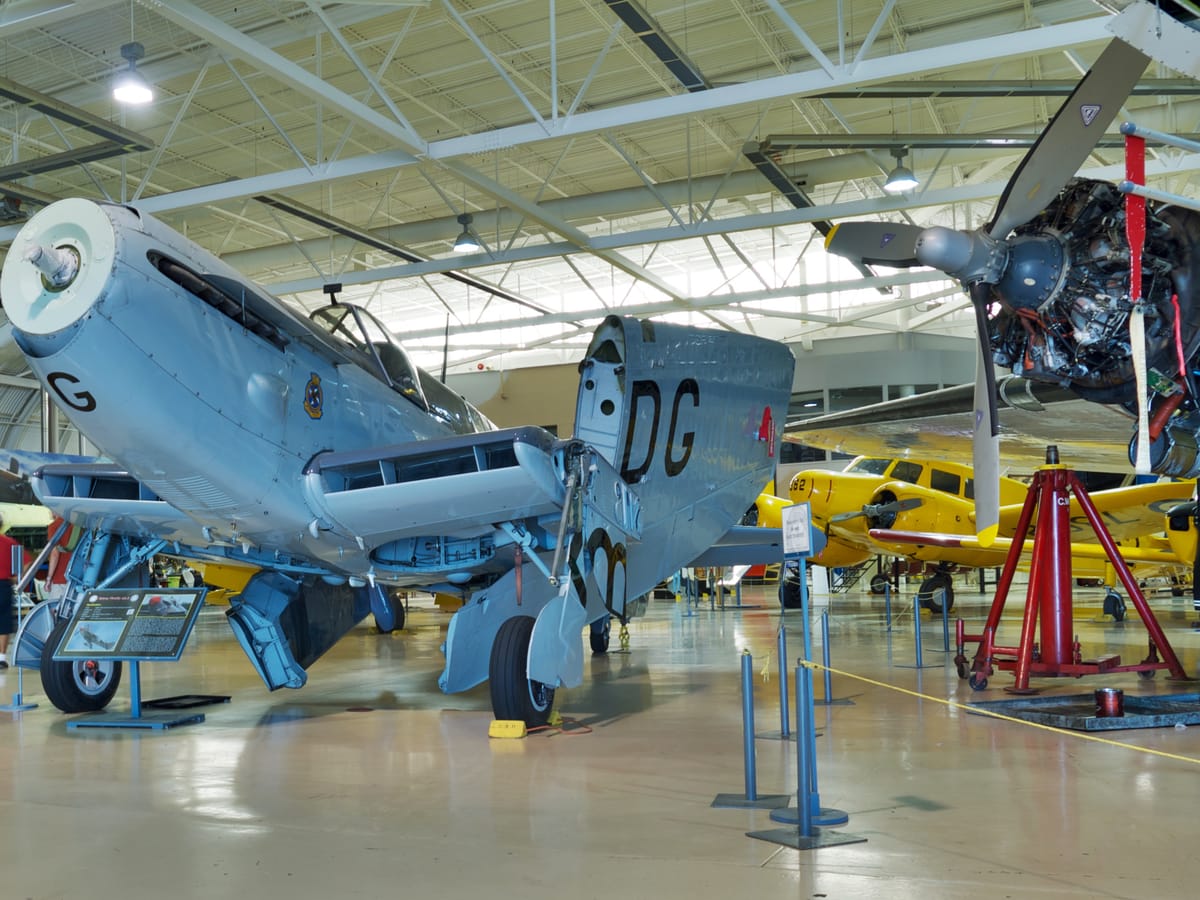
Blue-grey Fairey Firefly naval fighter with DG codes on its fin, wings partly folded, in the museum hangar
Fairey Firefly WH632 in RCN colours, 2015JustSomePics · CC BY-SA 4.0
Olive-green B-25 Mitchell bomber with black-and-white invasion stripes and RAF roundels parked on a concrete apron
B-25J Mitchell 45-8883 in 98 Squadron RAF markings on the apron, 2023JustSomePics · CC BY-SA 4.0
Yellow and black striped Westland Lysander high-wing monoplane in the hangar, with other aircraft behind
Westland Lysander 2363 in target-tug stripes, 2015JustSomePics · CC BY-SA 4.0
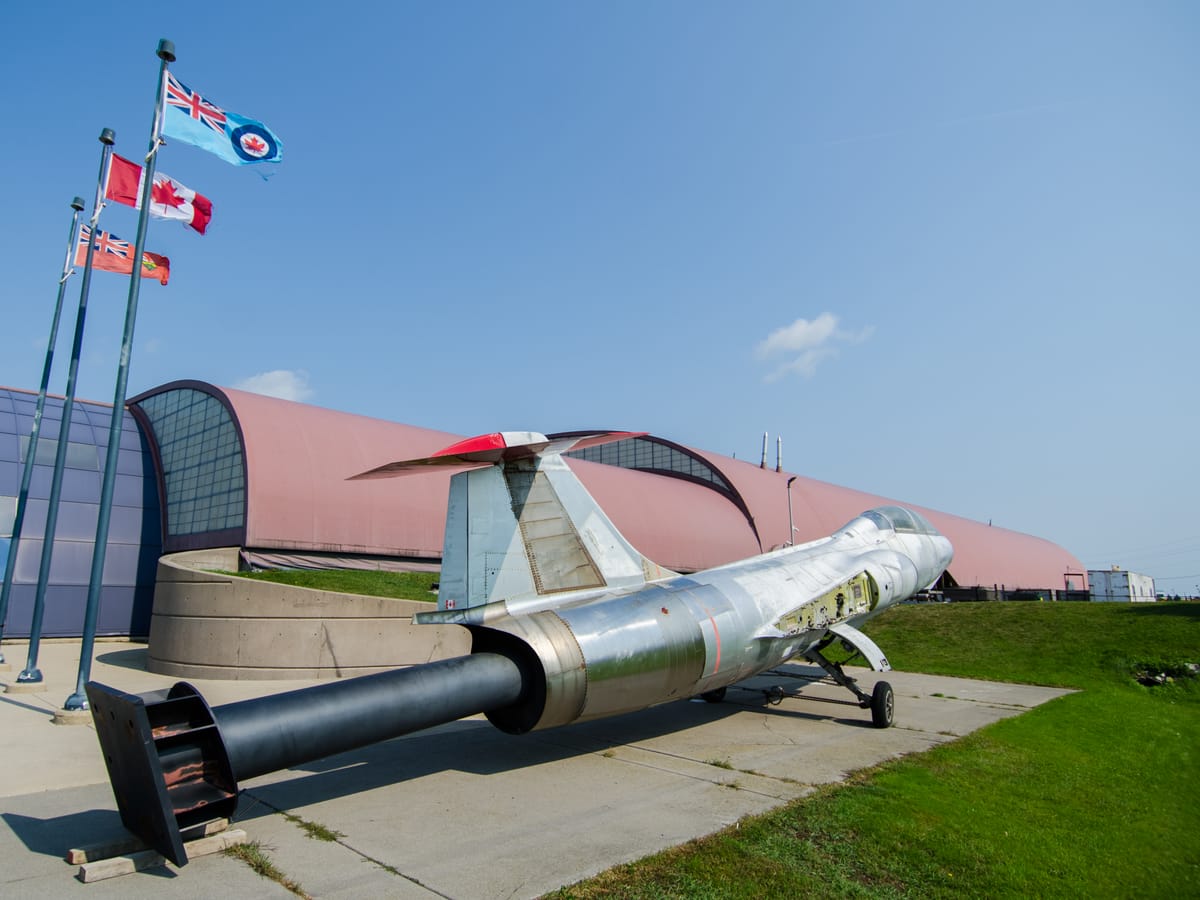
Silver CF-104 Starfighter jet mounted on a pylon outside the museum, beside flagpoles flying Canadian and RCAF flags
The CF-104 Starfighter gate guard and flags outside the museum, 2017Jeff Hitchcock · CC BY 2.0
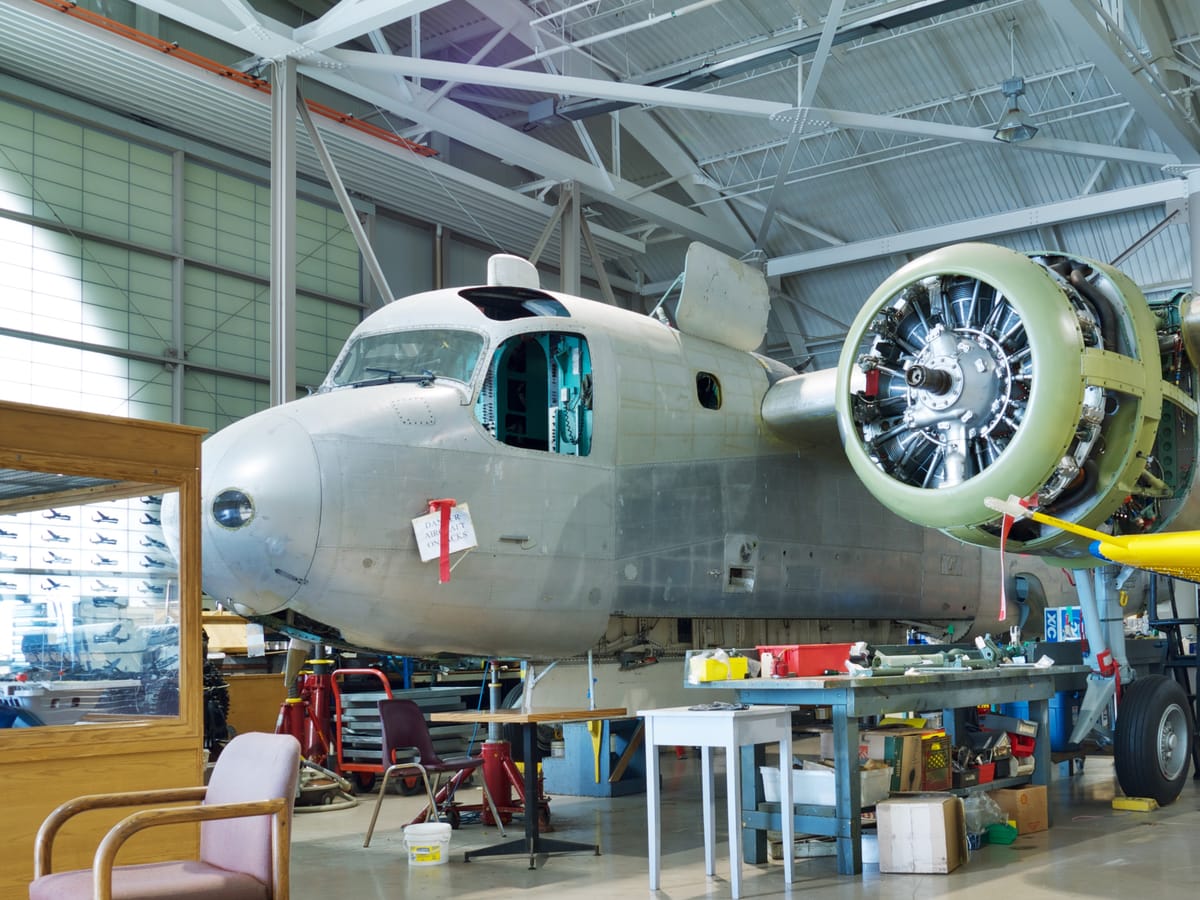
Grey Grumman Tracker anti-submarine aircraft with an exposed radial engine, surrounded by workbenches in the restoration area
CS2F-2 Tracker 1577 under restoration, 2015JustSomePics · CC BY-SA 4.0
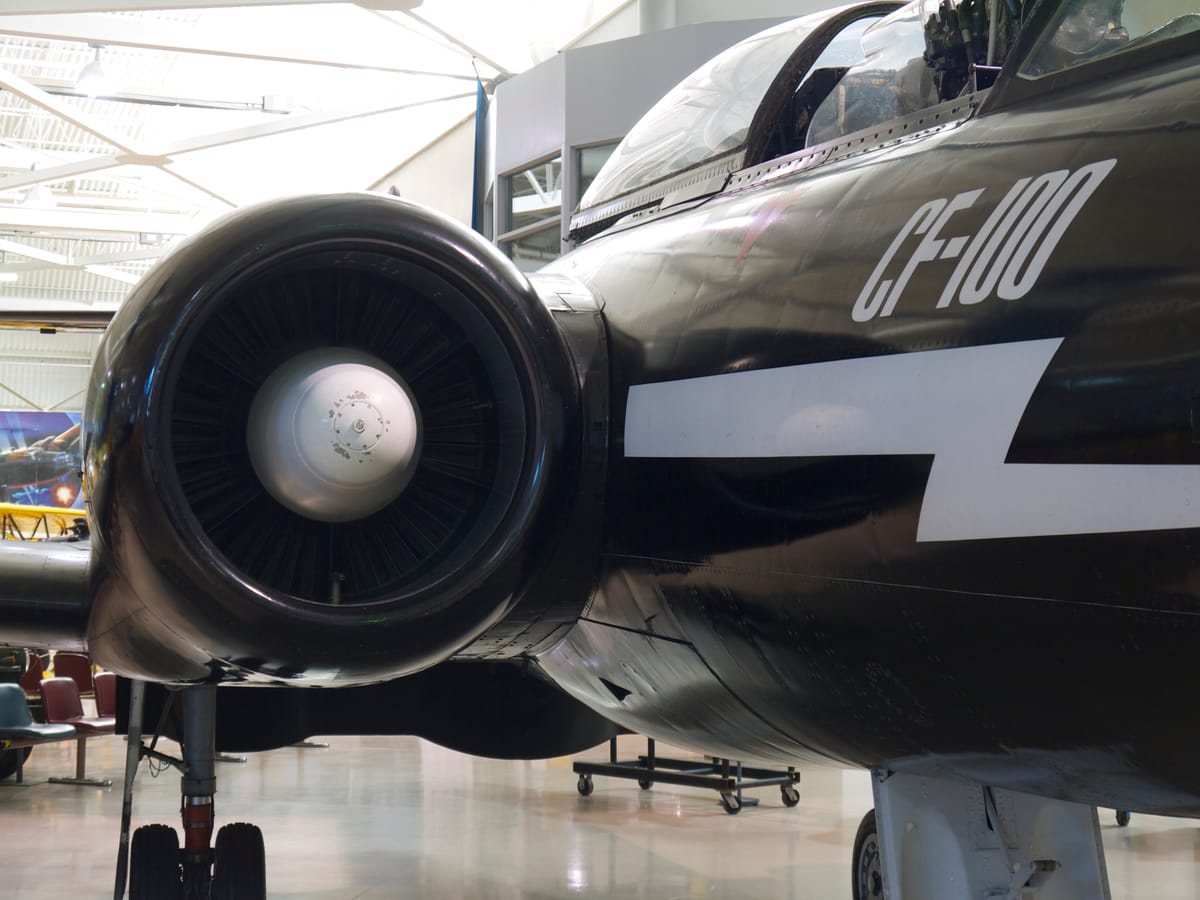
Close view of a black Avro Canada CF-100 jet fighter's engine intake and white lightning-bolt flash on the fuselage
Avro Canada CF-100 Canuck, engine intake detail, 2014JustSomePics · CC BY-SA 4.0

Freely licensed photographs from Wikimedia Commons, credited to their photographers.

In The Hangar

The collection in profile

24 types held here that we have drawn and built in 3D. Choose one to turn it over, or see all 301 in The Hangar.

Questions

Before you book

Is Canadian Warplane Heritage Museum free?

No. Adults (18–64) C$14.25; seniors (65+) and students (13–17) C$12.50; youth (6–12) C$9.75; children 5 and under free. Sales tax is added. Fly Zone VR simulator tickets bought online include admission.

What are the opening hours?

Wednesday to Sunday, 9am–5pm; closed Mondays and Tuesdays. Closes early at 4pm on 14 November 2026. Holiday closure from noon on 24 December 2026 to 1 January 2027 inclusive. Flying aircraft may be away from the hangar floor in spring, summer and autumn, so ring ahead if you are coming to see one particular aeroplane. Check the museum's own website before travelling.

How far is it from London?

About 3,580 miles from Heathrow as the great circle flies. The nearest airport is Toronto Pearson (YYZ), about an hour by road. Local time is Eastern time, five hours behind London.

How long should I allow?

Two hours for the hangar, and longer on a flying day, when aircraft start up on the apron outside.

How many aircraft are there?

About 47 in the collection. The checklist on this page lists 47 of them by serial.

Order of battle

Airframe checklist

47 airframes on display, compiled on 28 October 2026 from the museum’s own listings and the published sources below. Collections move: aircraft go out on loan, into restoration or into the reserve hangar, so check the labels as you go. Those marked airworthy may be away flying.

SeenTypeSerial / registration
Avro Lancaster B.XAirworthyFM213 / C-GVRA (marked KB726 VR-A)
North American B-25J Mitchell IIIAirworthy45-8883 / C-GCWM (marked RAF 98 Sqn VO-F)
Consolidated PBY-5A Canso AAirworthyRCAF 11084 / C-FPQL (marked 9754)
Douglas C-47 DakotaAirworthyRCAF FZ692 / C-GRSB
Fairey Firefly AS.6AirworthyWH632 / C-GBDG (marked RCN VH142)
Grumman TBM-3E Avenger AS.3AirworthyUSN 53858 / C-GCWG (marked RCN 86180)
Beechcraft ExpeditorAirworthyC-GZCE (marked RCAF HB143)
Noorduyn Norseman VAirworthyCF-GSR
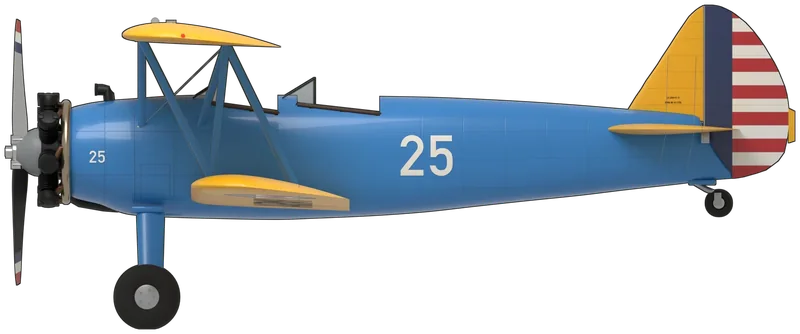
Boeing PT-17 StearmanAirworthy41-8621 / C-FAIU (marked RCAF FK107)
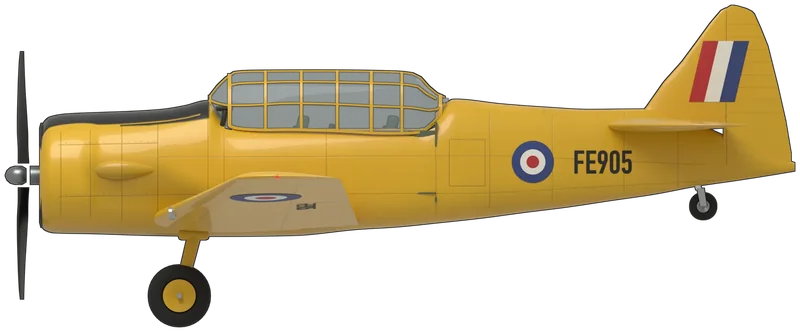
North American Harvard IVAirworthyRCAF 20213 / CF-UUU
North American Harvard IVAirworthyRCAF 20412 / C-FVMG
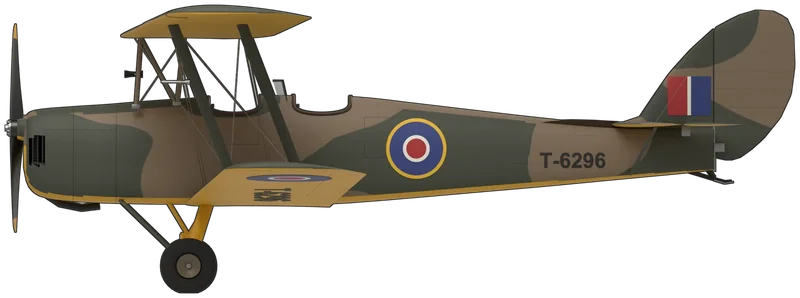
de Havilland DH.82C Tiger MothAirworthyRCAF 4947 / CF-ANN
de Havilland DH.82C Tiger MothAirworthyRCAF 4319 / CF-GTU
de Havilland DH.82C Tiger MothRCAF 8922 / C-GCWT (restoration to fly)
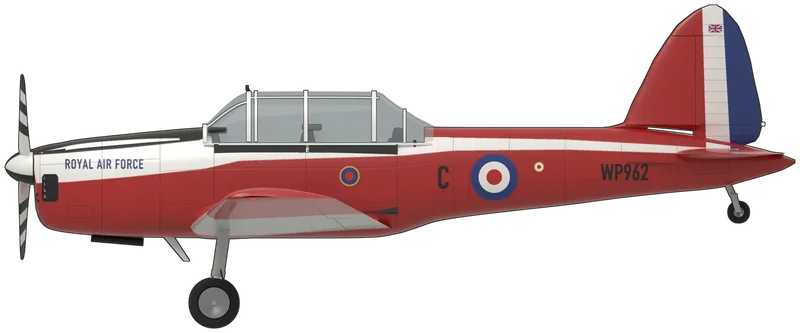
de Havilland Canada DHC-1B-2-S5 ChipmunkAirworthyRCAF 18035 / C-FPOW
de Havilland Canada DHC-1 Chipmunk T.20C-GVME (marked RAF WP539)
Fairchild Cornell IIAirworthyRCAF 10694 / C-GCWC (marked 10835)
Fairchild Cornell IIAirworthyFV702 / CF-CVF (marked Norwegian 163)
Fleet FortAirworthyRCAF 3540 / C-FORT
Fleet FortRCAF 3643
Fleet 21KAirworthyCF-DLC
Fleet Finch IIRCAF 4738 / C-FFUI
Nanchang CJ-6AAirworthyC-GCWN
North American YaleRCAF 3400
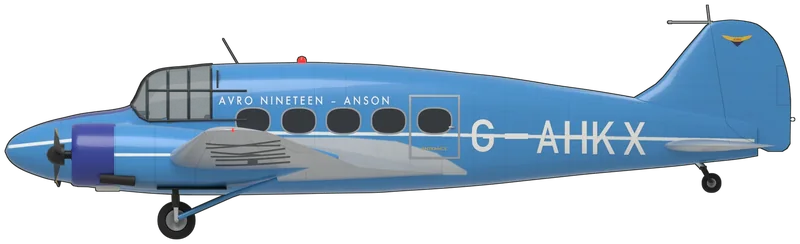
Avro Anson VRCAF 12417 / C-FHOT (in storage)
Cessna Crane IRCAF 7862 / C-FFGF
Bristol Bolingbroke IVTRCAF 10117 (under restoration)
Westland Lysander IIIARCAF 2363 / C-GCWL (in storage)
Supermarine Spitfire LF.XVIeTE214 / C-GVXI (marked TD239)
Auster AOP.6RCAF 16681 / C-GCID
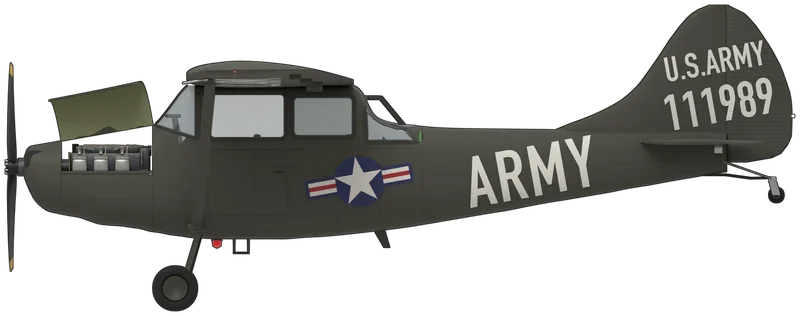
Cessna L-19 Bird Dog21085 (in storage)
Stinson 105CF-BSU (in storage)
Douglas DC-3 DakotaC-GDAK (marked KN456/KN563; in storage)
de Havilland Canada DHC-5A BuffaloCAF 115461 (outside)
Grumman CS2F-2 TrackerRCN 1577 / C-GNVY (restoration to fly)
Avro Canada CF-100 Canuck Mk.5RCAF 18785 (marked 100785)
Canadair Sabre 6RCAF 23651
de Havilland Vampire FB.6marked RCAF AA-P
McDonnell CF-101B Voodoo57-0382 (marked 101045)
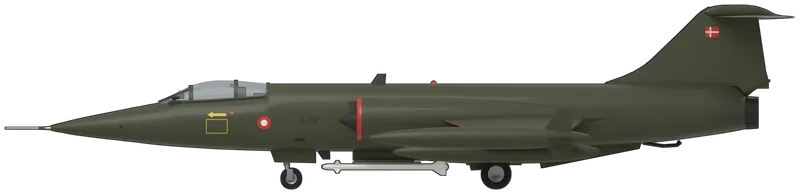
Lockheed CF-104 StarfighterRCAF 12790 (marked 104756)
Lockheed CF-104D StarfighterRCAF 12641
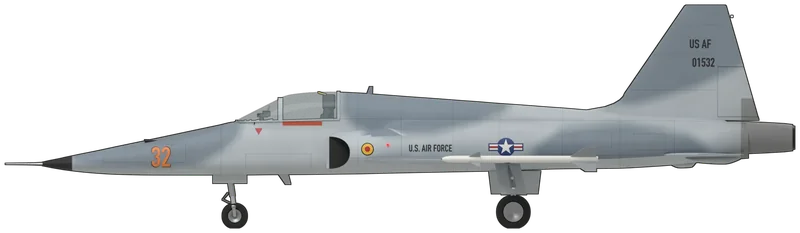
Northrop CF-5A Freedom FighterCAF 116757
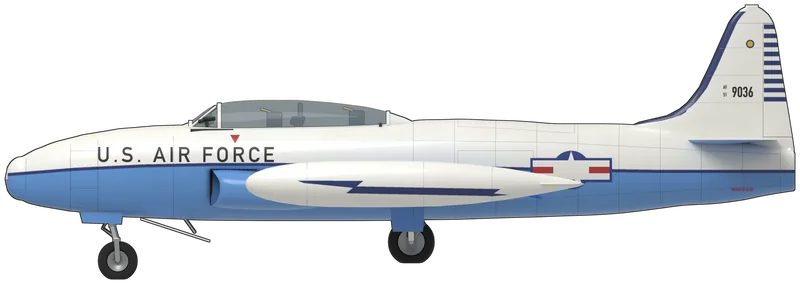
Lockheed T-33 Silver StarRCAF 21275 (marked 133275)
Canadair CT-114 TutorRCAF 26038 (marked 114038)
Beechcraft CT-134 MusketeerCAF 134222
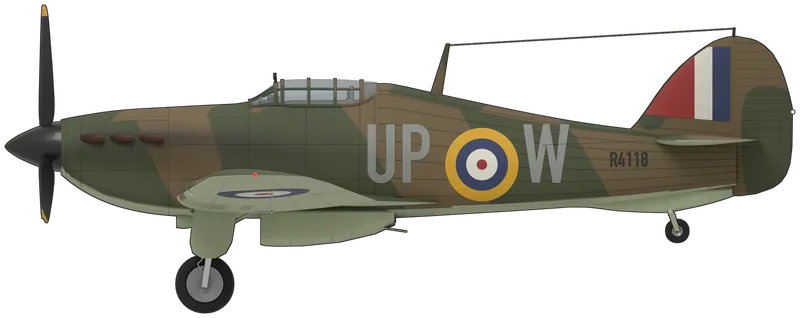
Hawker Hurricane (replica)n/a
Boeing 727 (nose section)C-GBWA
Contact

Location & contact

Address
9280 Airport Road, Mount Hope, Ontario L0R 1W0, Canada (at John C. Munro Hamilton International Airport)
Phone
+1 905-679-4183
Website
warplane.com
Supplement
CA-01 · North America

Facts checked against the museum’s own website on 28 October 2026. Sources: warplane.com, warplane.com, warplane.com, warplane.com, warplane.com, warplane.com. Corrections to mg@ub.io.

See also