AP 118 · No. 10 Section I · Museums Overseas supplement · US-05
US-05Hero museum

The Museum of Flight

Seattle, Washington · United States

Boeing's home museum on Boeing Field, Seattle: the first 747, the only surviving M-21 Blackbird, the first jet Air Force One and Concorde G-BOAG.

~150
Aircraft
$29
Adult ticket
1965
Opened
4,780
Miles from London
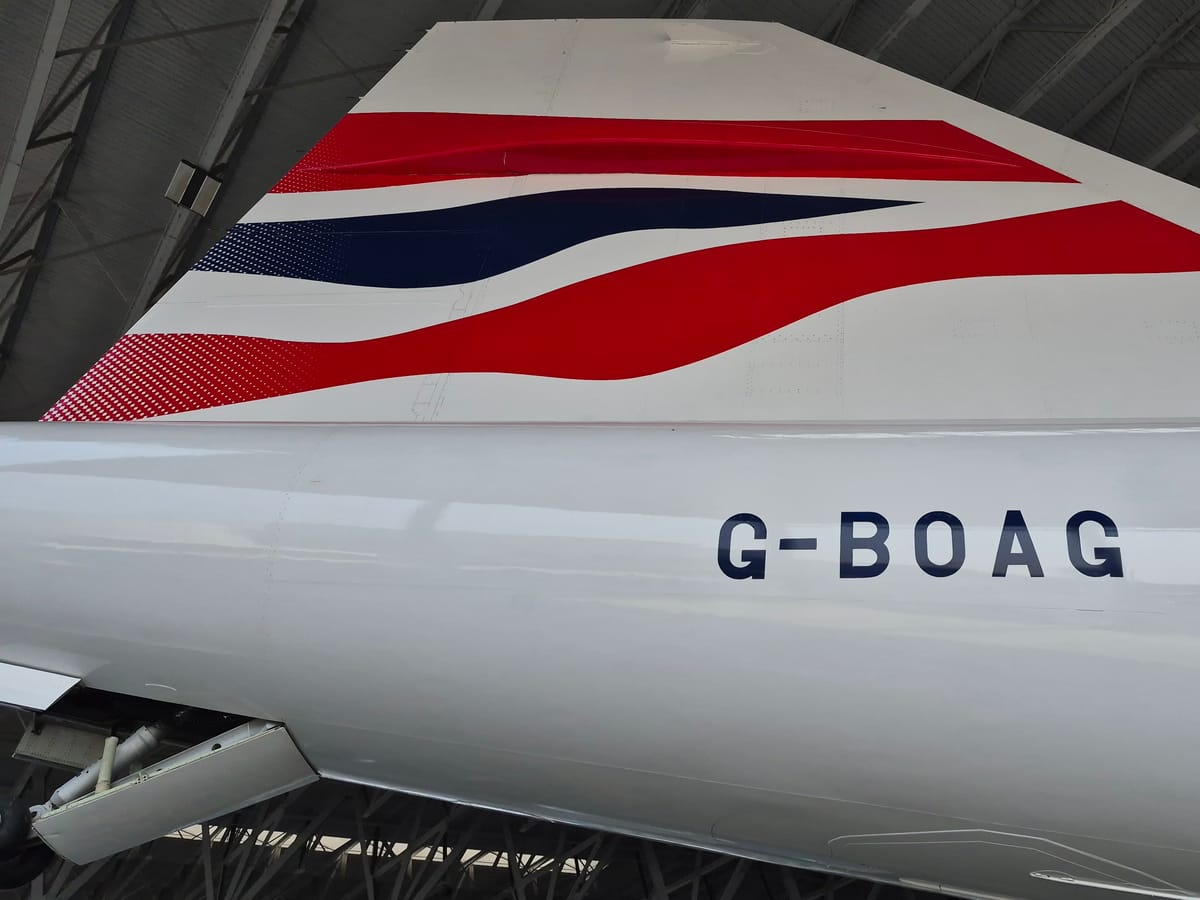
Tail fin of Concorde G-BOAG in British Airways Chatham Dockyard livery, registration painted on the rear fuselage
British Airways Concorde G-BOAG under the Aviation Pavilion roof, 2026 · WrongConcordeBro · CC0
Flight plan

Getting there from Britain

Great-circle route from London Heathrow to The Museum of Flight 120°W100°W80°W60°W40°W20°W0°30°N40°N50°N60°N US-05 Seattle LHR London
The way there: the great-circle track from Heathrow, the shortest line on a curved earth, drawn on a flat chart.
From Heathrow
4,780 miles
Nearest airport
Seattle–Tacoma (SEA), about 15 minutes by road
Local time
Pacific time, eight hours behind London
Allow
Four hours to a day
Visit

Tickets & opening times

Admission

Adult (18+) $29; senior (65+) $25; youth (5–17) $21; children 4 and under free; members free. Admission is free 17:00–21:00 on the first Thursday of every month. Caregivers accompanying a visitor with a disability enter free.

Parking. Free, in lots beside the museum entrances on both the east and west sides of East Marginal Way; accessible bays on both campuses. King County Metro bus 124 from downtown Seattle or Tukwila stops outside.

Food. Yes – Wings Café (10:00–17:00), with hot dishes, sandwiches and a view of Boeing Field; no admission needed to eat there. Outdoor picnic tables, plus a small indoor lunch area in the Great Gallery.

Access. The museum says all galleries are fully wheelchair accessible, with free courtesy wheelchairs, lifts and accessible lavatories. It also offers Sensory Days, ear defenders to borrow and tactile tours. The website does not say whether the walk-through aircraft can be boarded without climbing stairs.

Checked against the museum’s own site, 28 October 2026.

Opening times

Open daily 10:00–17:00; closed Thanksgiving Day (26 Nov 2026) and Christmas Day. The walk-through aircraft in the Aviation Pavilion – Concorde G-BOAG, Air Force One SAM 970, 787 ZA003 and the first 747 – are open 11:00–16:00, subject to closure on the day. Free First Thursdays run late, 17:00–21:00.

DayAll year
Monday10am–5pm
Tuesday10am–5pm
Wednesday10am–5pm
Thursday10am–5pm
Friday10am–5pm
Saturday10am–5pm
Sunday10am–5pm

Hours in local time, from the museum’s site, 28 October 2026.

Station briefing

About this museum

The Museum of Flight stands on the western edge of Boeing Field, a few miles south of downtown Seattle. It is the museum the Boeing company's home town deserves. The core of it is Boeing's own first factory, the 1909 Red Barn, floated two miles up the Duwamish to where it stands now. Around it are the T.A. Wilson Great Gallery, a glass hall of more than fifty aircraft; a two-storey wing of First and Second World War fighters; a space gallery holding NASA's shuttle trainer; and the Aviation Pavilion, a three-acre roof over nineteen big aeroplanes. The collection is full of firsts: the first 747, the first 727, the first jet Air Force One and the only surviving M-21 Blackbird. For a British visitor there is also Concorde G-BOAG, which you can walk through, and a D-Day Spitfire. Allow a full day.

~40Fighters (WWI, WWII & jet)~5Bombers~14Airliners & transports~8Research & record-breakers~3Helicopters~4Spacecraft
Prize exhibits
  • Lockheed M-21 60-6940 and D-21 drone – the only surviving M-21
  • Boeing 747-121 N7470 'RA001' – the first 747 ever built
  • Concorde G-BOAG – New York to Seattle in 3 hr 55 min 2 sec, 5 November 2003
  • Boeing VC-137B SAM 970 – the first presidential jet, used by Eisenhower, Kennedy, Johnson and Nixon
  • Boeing 80A-1 N224M – the only surviving Model 80, recovered from an Anchorage dump
Star of the show

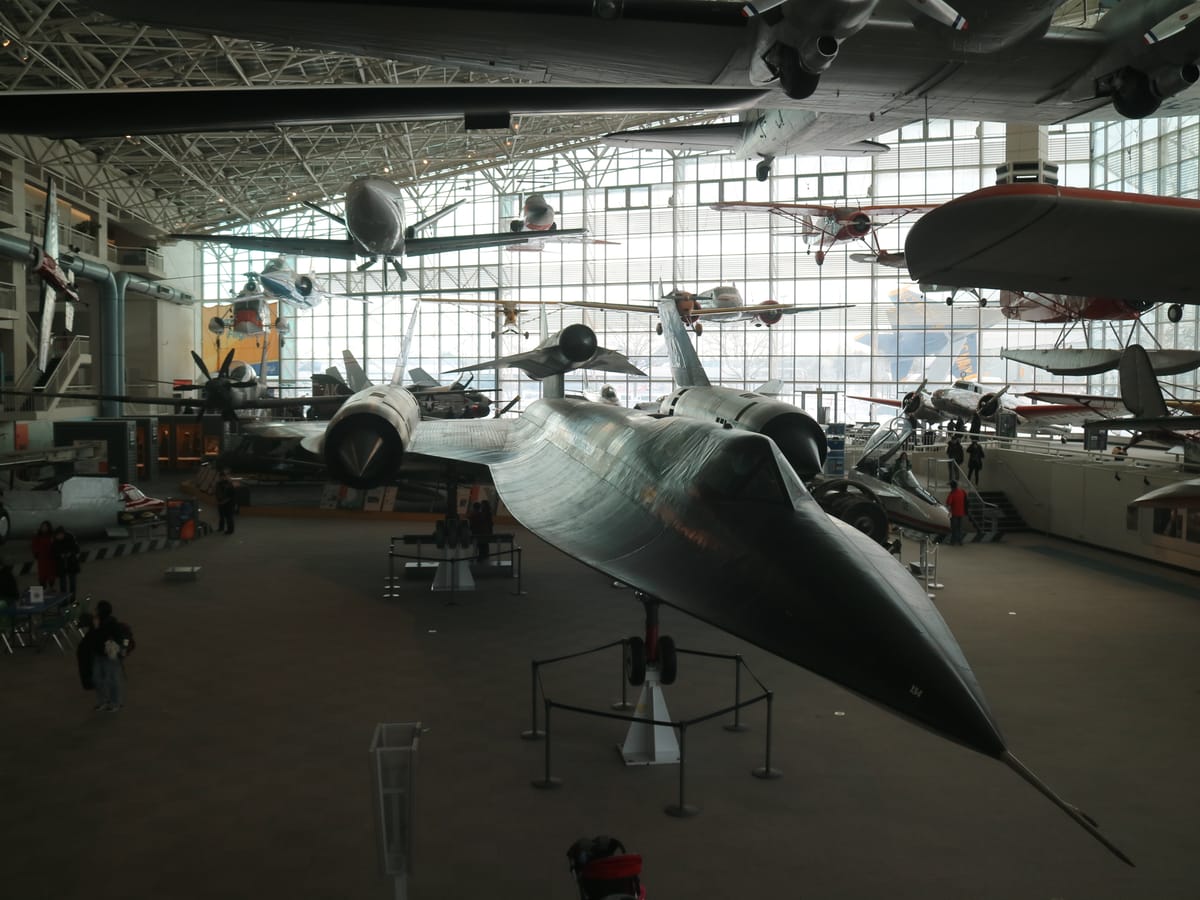
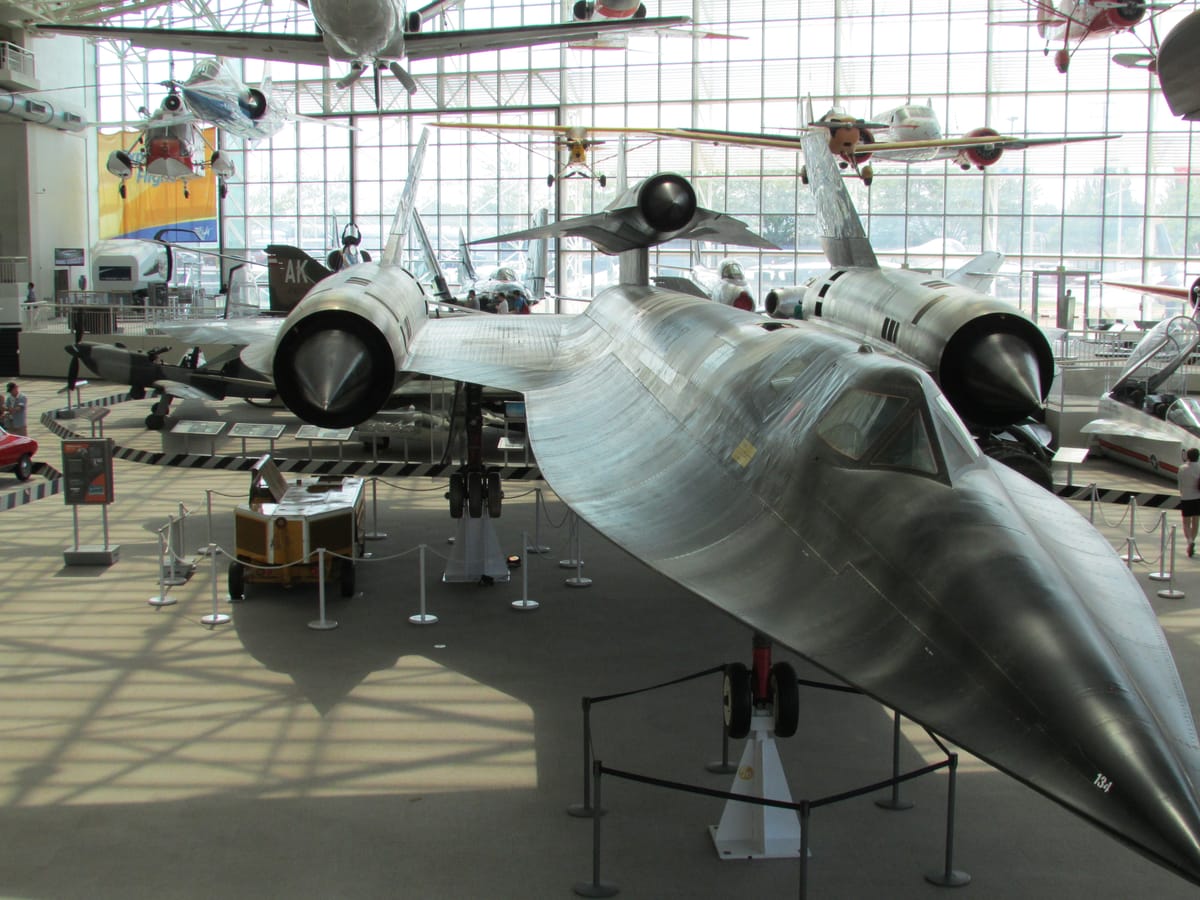
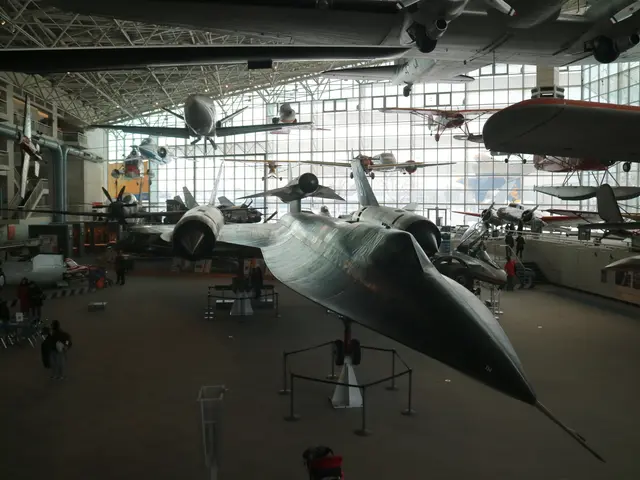
Lockheed M-21 60-6940, with its D-21 drone mounted on its back. It is the only M-21 left of the two built (the other was lost in a D-21 launch accident in 1966), it hangs in no other museum on earth, and it sits at the centre of the Great Gallery.

Visitor intel

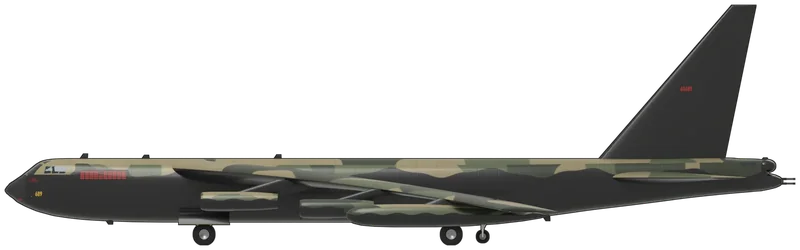
Free car parks serve both sides of East Marginal Way. The Skybridge from the Personal Courage Wing crosses the road to the Space Gallery and the Aviation Pavilion, where Concorde, SAM 970, the 787 and the first 747 are open to walk through from 11:00 to 16:00 (on busy days, start with the 747 and work backwards). The museum's own map plans three hours for just the headline aircraft, so allow a full day, and drive round to the B-52 in the Vietnam Veterans Memorial Park before or after.

The story

How the collection came to be

The museum began with a wreck. In 1960 a Boeing Model 80A-1, the last of its type retired by United in 1934, was recovered from a rubbish dump in Anchorage and flown south to Seattle in a USAF C-124. The effort to restore it brought a group of local enthusiasts together, and they formed the Pacific Northwest Aviation Historical Foundation. The museum's own history dates the Foundation to 1964; most other sources say 1965. Its first exhibits went on show in 1965 in a 10,000 sq ft space at Seattle Center, the site of the 1962 World's Fair. The Foundation also bought Boeing 247D N13347, which had ended up crop-dusting and cloud-seeding before being grounded at Taft, California. It was repaired and flown at airshows in the North-West in the late 1960s and early 1970s.

The permanent site dates from 1975. That year the Port of Seattle leased the museum land at Boeing Field for 99 years and sold it the Red Barn for a dollar. Built in 1909, the Red Barn was where the Boeing Airplane Company started. It was floated about two miles up the Duwamish River by barge, and the cost of moving and restoring it was met by William Boeing Jr. The restored barn opened in 1983 as the museum's first permanent home. On 10 July 1987 Vice-President George Bush and four Mercury astronauts opened the T.A. Wilson Great Gallery, a glass hall built to hang aircraft from its roof trusses. In 1991 the museum acquired the CIA's Lockheed M-21 60-6940, the only one left of the two M-21s built to launch the D-21 reconnaissance drone. With a D-21 back on its pylon, it has been the centrepiece of the Great Gallery ever since.

Boeing's own prototypes came next. On 6 April 1995 the first 747, RA001, made its last flight and Boeing gave it to the museum after 5,300 flying hours. United had already given the first 727, N7001U, in 1991. In June 1996 the first presidential jet, VC-137B SAM 970, arrived on loan from the National Museum of the US Air Force. It had carried Eisenhower, Kennedy, Johnson and Nixon, and it took Kissinger to his secret talks with the Chinese. The B-29 T-Square 54 came from Lowry AFB in 1994 to finish its restoration in Seattle. On 5 November 2003 British Airways delivered Concorde G-BOAG, flying from New York in 3 hr 55 min 2 sec.

The site grew outward and upward. The Library and Archives building followed in 2002. The J. Elroy McCaw Personal Courage Wing opened on 6 June 2004, the sixtieth anniversary of D-Day, with First World War aircraft upstairs and Second World War aircraft below. Across East Marginal Way, the Charles Simonyi Space Gallery went up on the west campus; the museum dates it to 2011. In 2012 it received NASA's Space Shuttle Full Fuselage Trainer, the oldest mock-up in Houston's Space Vehicle Mockup Facility. In 2016 the open-sided Aviation Pavilion finally put the big airliners and bombers under cover. The 727 and the 247D made their last flights from Paine Field to Boeing Field that spring, on 2 March and 26 April. In 2019 B-52G 59-2584, Midnight Express, was moved from Paine Field to become the centrepiece of the new Vietnam Veterans Memorial Park.

The museum is now a private non-profit with more than 150 aircraft, of which 122 have entries in its online catalogue. Wikipedia gives 465,504 visitors in 2024. Restoration continues in a 23,000 sq ft workshop at Paine Field in Everett. The longest-running project there is the first Comet 4C, which has been under restoration since 1995. The first rescue, the Model 80A-1, still hangs in the Great Gallery as the only surviving Boeing 80.
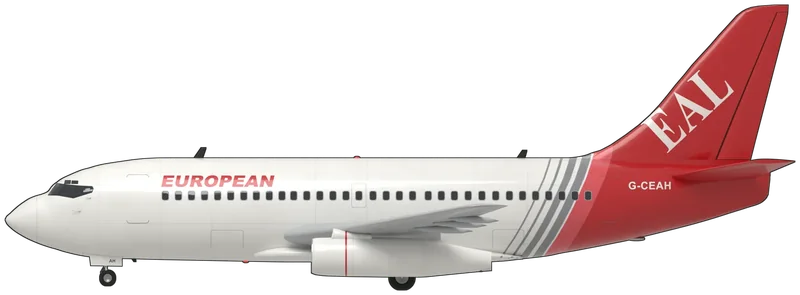
Across the water

The British connection

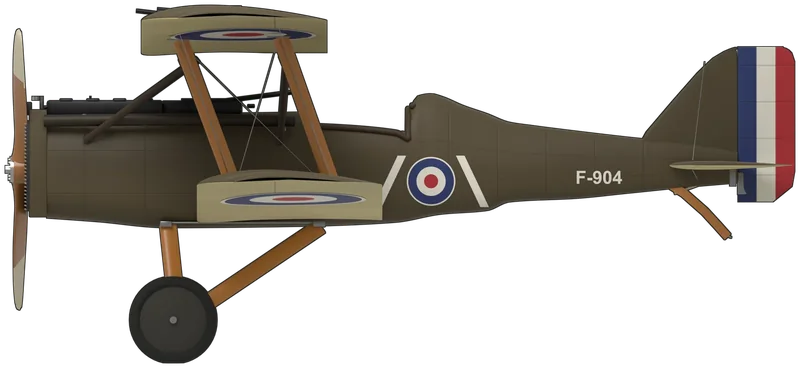
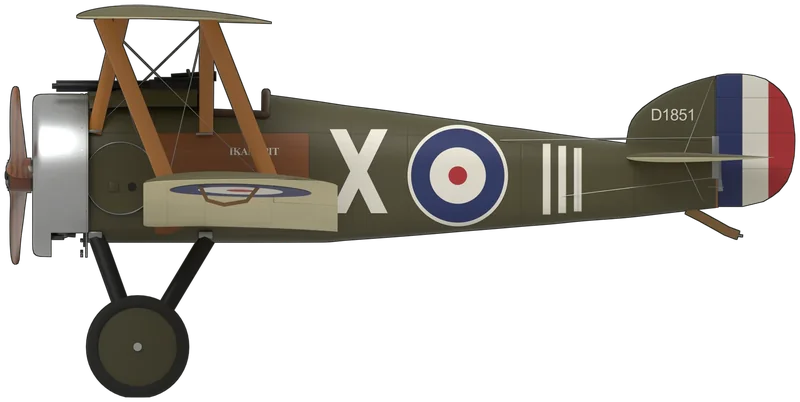
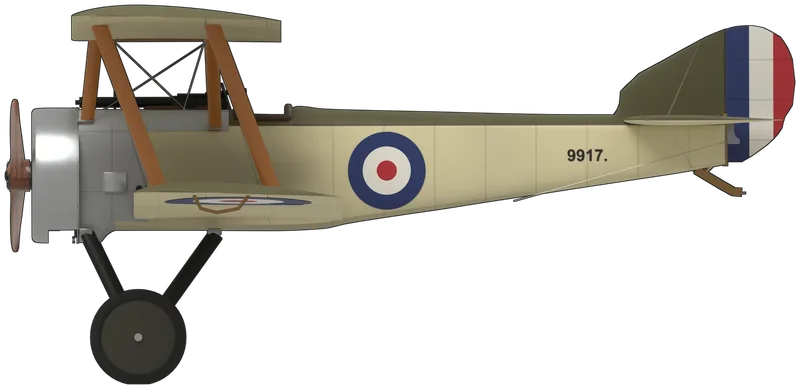
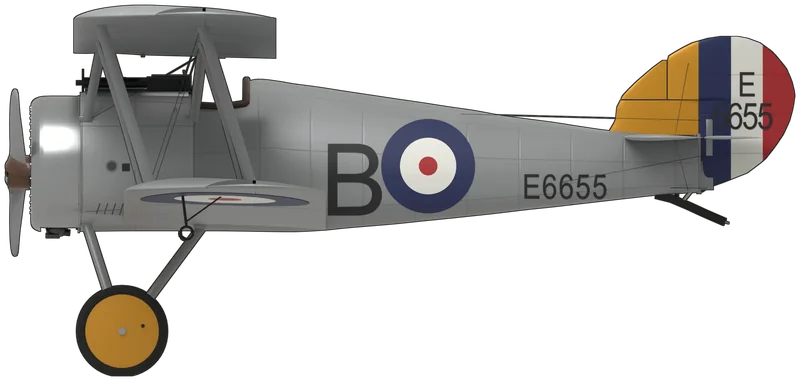
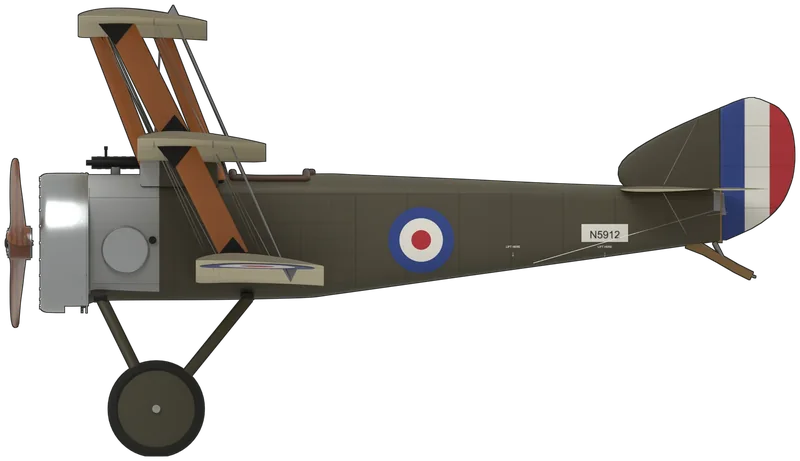
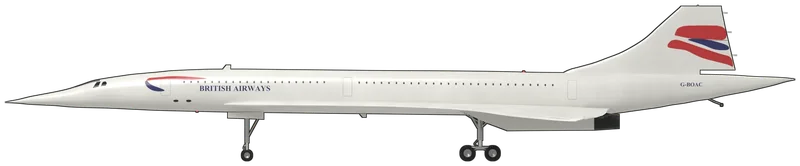
The obvious draw is Concorde G-BOAG, 'Alpha Golf', c/n 214. It first flew in April 1978, was the eighth British-built production Concorde, and joined British Airways in 1980. It logged more than 16,200 hours and 5,600 take-offs. The museum says it flew BA's last commercial Concorde service, New York to London, on 24 October 2003. On 5 November 2003 it flew from New York to Seattle in 3 hr 55 min 2 sec, a city-pair record, with 1 hr 34 min supersonic over northern Canada. It is the only Concorde on the American West Coast, and you can walk through it. In the Personal Courage Wing is Spitfire LF Mk IXe MK923, built at Castle Bromwich in early 1944. It flew with No. 126 Squadron over the D-Day beaches, then appeared in The Longest Day and was later owned by Cliff Robertson. It is on loan from the Apex Foundation. Upstairs are reproductions of the Sopwith Camel, Pup, Snipe and Triplane and an S.E.5a. At Paine Field the museum is restoring c/n 6424, the first de Havilland Comet 4C, which flew Mexicana's Mexico City–Los Angeles route as XA-NAR. The workshop is currently closed to visitors.
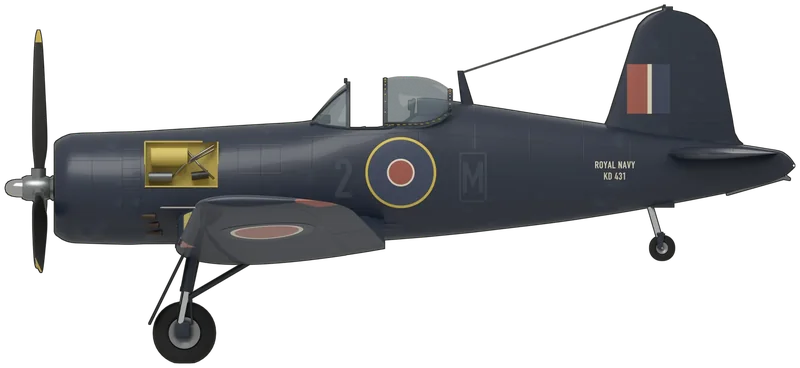
Prize exhibits

9 airframes not to miss

  1. Hangar profile

    Aérospatiale-BAC Concorde 102

    G-BOAG

    'Alpha Golf' first flew in April 1978 and joined British Airways in 1980. It flew more than 16,200 hours, and the museum says it flew BA's last commercial Concorde service from New York to London on 24 October 2003. On its delivery flight to Seattle on 5 November 2003 it covered New York to Seattle in 3 hr 55 min 2 sec, more than an hour and a half of it supersonic over northern Canada. Visitors can now walk through it.
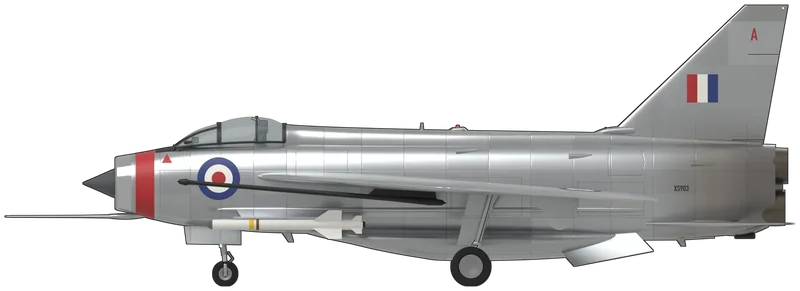
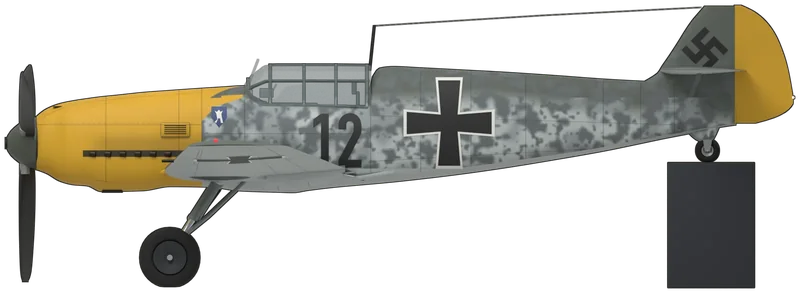
    Turn it in 3DAérospatiale-BAC Concorde in Britain

  2. Hangar profile

    Boeing 747-121

    N7470 (RA001)

    The first 747 ever built, rolled out at Everett and first flown on 9 February 1969. After certification testing it spent a quarter of a century as Boeing's flying testbed, trying out new engines including the Pratt & Whitney PW4000 for the 777. It last flew on 6 April 1995, after 5,300 hours, and still has its flight-test interior. It was restored in 2013–14 and is open to walk through.

    Turn it in 3DBoeing 707, 737 & 747 in Britain

  3. Coming soonThe Hangar · queue No. 23Being drawn

    Lockheed M-21 with D-21 drone

    60-6940

    This is the first of the two-seat A-12 derivatives built for the CIA's 'Tagboard' programme, in which an unmanned D-21 drone was launched from a pylon on the M-21's back. The second seat was for the launch control officer. The other M-21 was lost in a D-21 launch accident in 1966, which makes this the only one left. It first flew in 1964, arrived in 1991 and is on loan from the National Museum of the USAF.

    Next in The Hangar

  4. Hangar profile

    Boeing VC-137B (707-153)

    58-6970 'SAM 970'

    The first jet built for the President. On 26 August 1959 it made Eisenhower the first president to fly by jet. It went on to carry Kennedy, Johnson and Nixon, and Khrushchev as a foreign guest. Henry Kissinger later used it for the North Vietnamese peace talks, his secret 1971 trip to China and his 1974 'shuttle diplomacy'. It stayed in the VIP fleet until June 1996, then came to Seattle and is open to walk through.

    Turn it in 3DBoeing 707, 737 & 747 in Britain

  5. Hangar profile

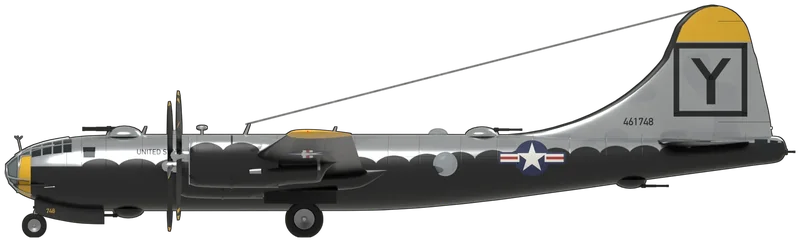
    Boeing B-29 Superfortress

    44-69729 'T-Square 54'

    It flew at least 37 combat missions over Japan with the 875th Bomb Squadron, 498th Bomb Group. After the war it was converted to a tanker and served in Korea. It then sat derelict on the China Lake Naval Gunnery Range until volunteers from Lowry AFB, Colorado, rescued it in 1986. When Lowry closed in 1994 it came to Seattle, where restoration continues on public display. The type's prototype first flew from Boeing Field, across the road.

    Turn it in 3DBoeing B-29 Superfortress in Britain

  6. Hangar profile

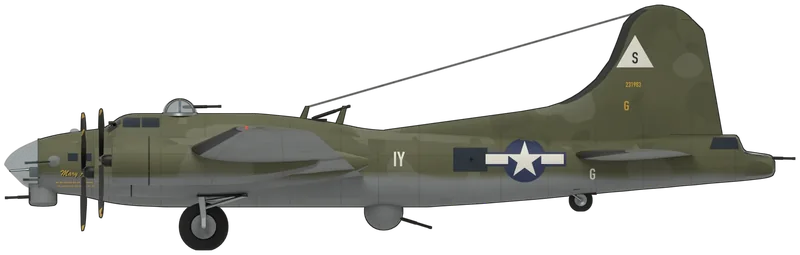
    Boeing B-17F Flying Fortress

    42-29782 / N17W

    After the war it worked as a crop-sprayer, fire-bomber and tanker, and it appeared in three films: The Thousand Plane Raid (1968), Tora! Tora! Tora! (1970) and Memphis Belle (1989). For Memphis Belle it was flown in England for more than 50 hours, painted in a different scheme on each side. Museum trustee Robert Richardson bought it in 1985. It was restored from 1991 and in 1998 flew from Renton to Boeing Field as 'Boeing Bee', with everything except the guns in working order.

    Turn it in 3DBoeing B-17 Flying Fortress in Britain

  7. Coming soonThe Hangar · queue No. 22Being drawn

    Boeing 80A-1

    N224M

    This was the last Model 80 retired by United, in 1934; the Model 80 was the airliner on which the first air stewardesses flew. Its later career ran from barnstorming to a night-time electric advertising sign to hauling an 11,000 lb boiler in Alaska. It was found on an Anchorage dump in 1960 and flown to Seattle in a C-124. The effort to restore it led to the founding of the museum, and it is the only Boeing 80 left.

    Next in The Hangar

  8. Hangar profile

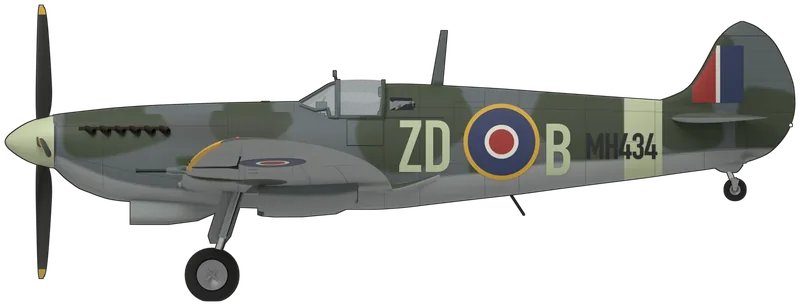
    Supermarine Spitfire LF Mk IXe

    MK923 / N521R

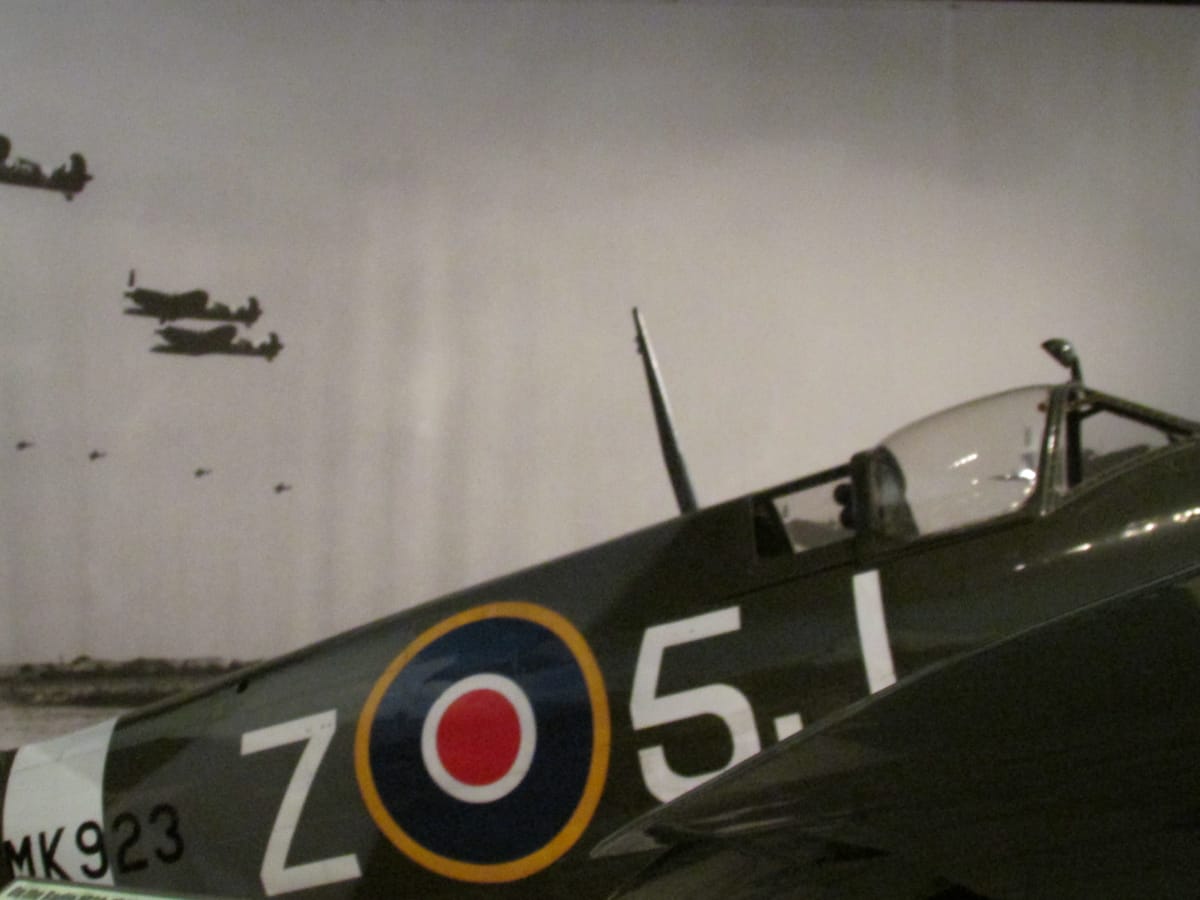
    Built by Vickers at Castle Bromwich in early 1944, it flew with No. 126 Squadron in support of the D-Day landings. After the war it served the Dutch and Belgian air forces, was registered as OO-ARF, and flew in The Longest Day (1961). Cliff Robertson later owned it and had it restored in the 1970s, when its Merlin 66 was replaced by a Merlin 76. It is on long-term loan from the Apex Foundation.

    Turn it in 3DSupermarine Spitfire in Britain

  9. Hangar profile

    Boeing 727-022

    N7001U

    The first 727 built. After Boeing's flight-test programme ended in 1964 it flew passengers with United, which gave it to the museum in 1991 repainted in its original delivery colours. It made a final short flight on 2 March 2016, from the Restoration Center at Paine Field to Boeing Field, and went on display in the Aviation Pavilion that autumn.

    Turn it in 3DBoeing 707, 737 & 747 in Britain

Walking order

The halls, in order

  1. T.A. Wilson Great GalleryA glass-and-steel hall opened on 10 July 1987, with more than 50 aircraft on the floor and hanging from the roof trusses, the M-21 Blackbird at the centre and the Apollo exhibit alongside.
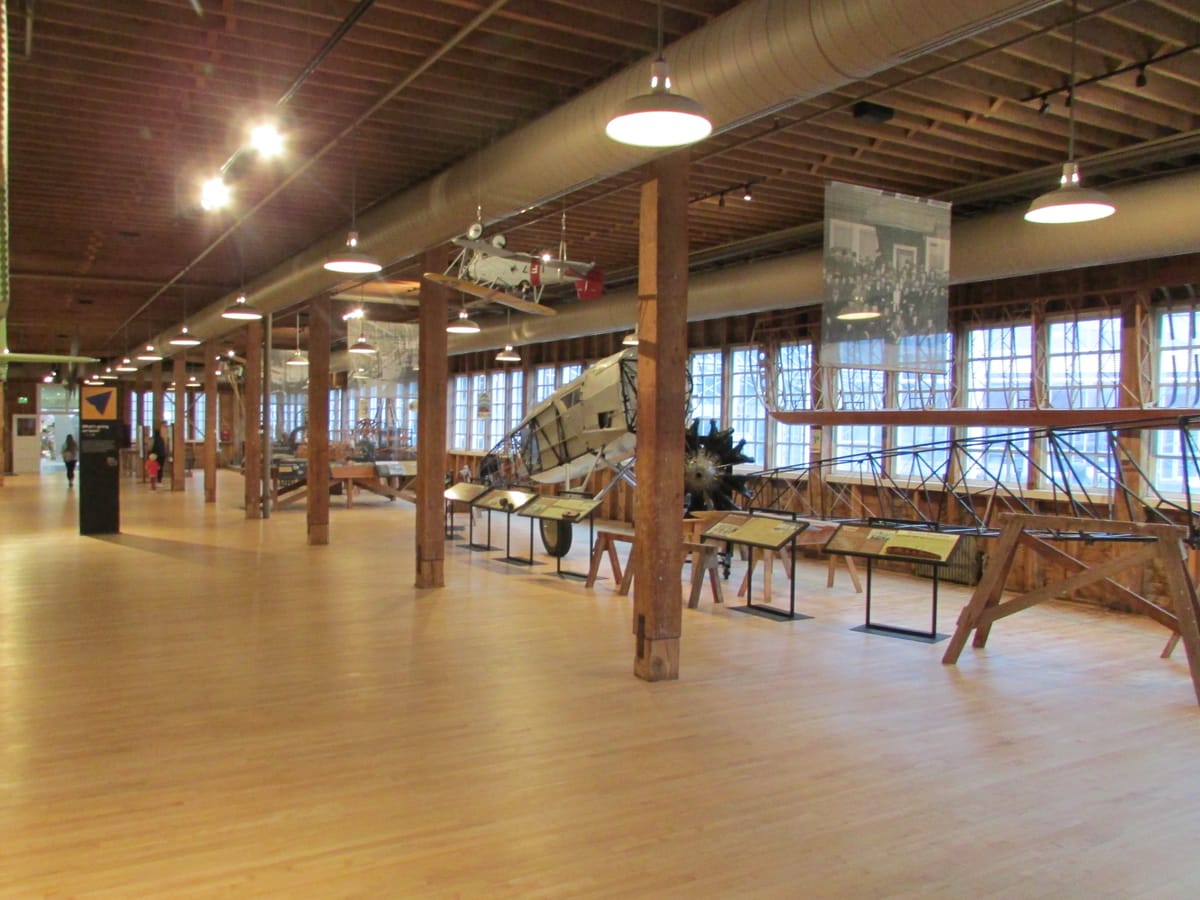
  2. William E. Boeing Red BarnBoeing's first factory, built in 1909, barged up the Duwamish in 1975 and opened to visitors in 1983. Its restored work floor tells the company's story from its early years.
  3. J. Elroy McCaw Personal Courage WingOpened on 6 June 2004, with First World War aircraft on the upper floor and Second World War aircraft below, including Spitfire MK923.
  4. Charles Simonyi Space GalleryThe west-campus gallery that houses NASA's Space Shuttle Full Fuselage Trainer and the Soyuz TMA-14 descent module.
  5. Aviation PavilionA covered, open-sided three-acre display opened in 2016 with 19 commercial and military aircraft from the 1930s to the present, including the walk-through Concorde, Air Force One, 747 and 787.
  6. Vietnam Veterans Memorial ParkA memorial park opened in 2019 around B-52G 59-2584 Midnight Express. The museum suggests driving there before or after the main visit.
  7. Restoration Center & Reserve Collection, Paine FieldThe museum's 23,000 sq ft workshop at Everett, where the Comet 4C is being restored. It is currently closed to public tours.
Beyond the halls

Flights, tours & extras

Walk-through aircraft

You can walk through Concorde G-BOAG, Air Force One SAM 970, the 787 ZA003 and the first 747 (RA001) in the Aviation Pavilion. They are included in admission and open 11:00–16:00. On busy days the museum suggests going round in reverse order, starting with the 747. Which aircraft are open may change on the day.

Space Shuttle Trainer Crew Compartment Experience

A one-hour tour of the mid-deck and flight deck of NASA's Full Fuselage Trainer, where shuttle crews trained. It runs on the third weekend of each month at 10:30, 12:00, 13:30 and 15:00, plus Veterans Day (11 Nov 2026). It costs $40 ($30 for members) on top of admission, is for ages 12 and over (12–15s must be accompanied) and takes six people per tour.

i360 flight simulators

Motion simulators that roll through 360 degrees, flying air combat in one of nine aircraft from the First World War to modern jets. A shared flight costs $10 and a solo flight $15 ($7/$14 for members); riders must be at least 50 in tall. They are in the Great Gallery, along with a VR experience that is charged separately.

Docent tours

Free tours led by volunteer guides leave from the Tour Start Point in the main lobby every half-hour. Most last 30–60 minutes, and the topic is the guide's choice.

Free First Thursdays

Admission is free from 17:00 to 21:00 on the first Thursday of every month.

Theatre: Space the New Frontier

A 25-minute film narrated by Chris Pine, shown in the museum theatre at a separate charge (the price is not published online).

Photographs

At the museum

Tail fin of Concorde G-BOAG in British Airways Chatham Dockyard livery, registration painted on the rear fuselage
British Airways Concorde G-BOAG under the Aviation Pavilion roof, 2026WrongConcordeBro · CC0
Glass-walled gallery with a black Lockheed M-21 on the floor and dozens of aircraft hanging from the roof trusses
The T.A. Wilson Great Gallery with the M-21 Blackbird at its centre, 2019FelixWngmn · CC BY-SA 4.0
Head-on view of the black titanium M-21 with the D-21 drone mounted on its back
Lockheed M-21 60-6940 with its D-21 drone, Great Gallery, 2015Chris Light · CC BY-SA 4.0
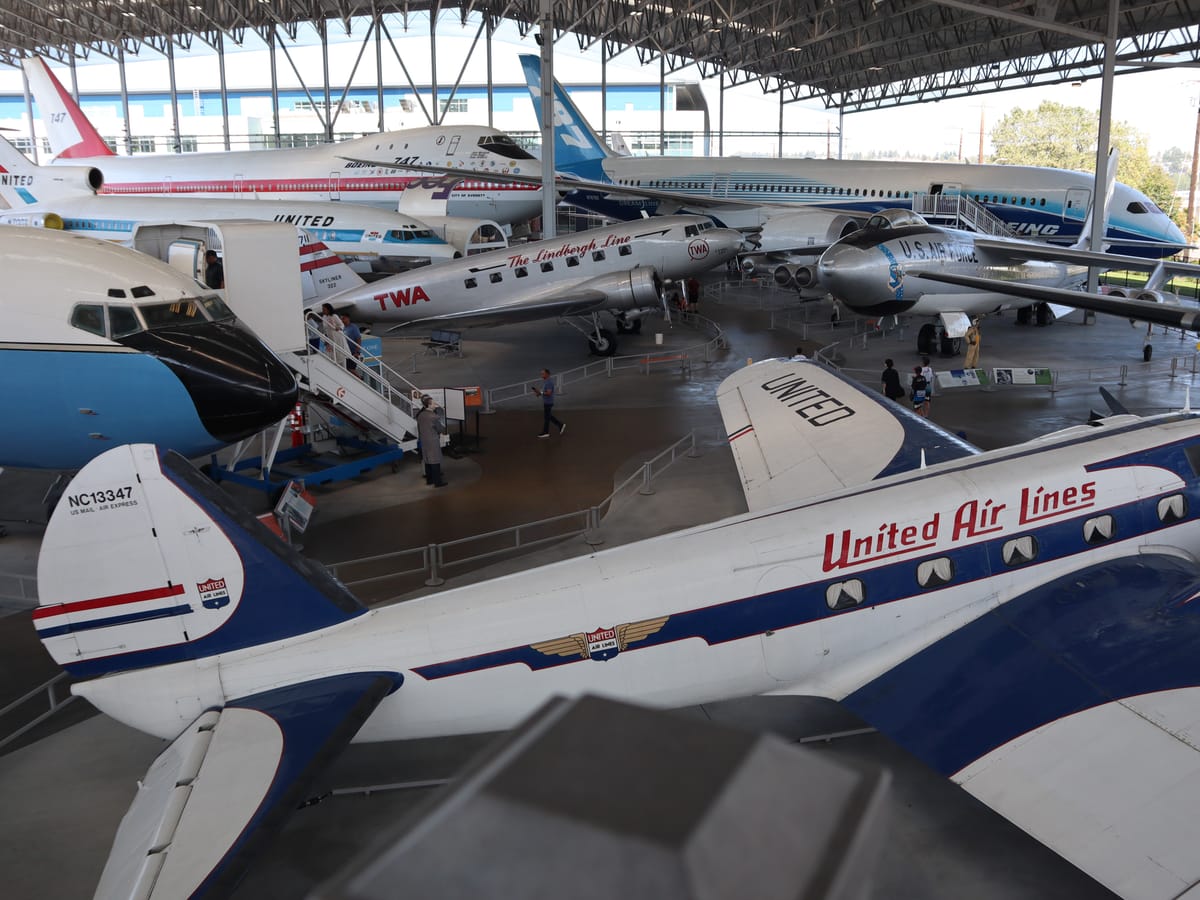
Open-sided steel pavilion sheltering a United Boeing 247, a TWA DC-2, the 747 prototype and other aircraft
Airliners and bombers under the Aviation Pavilion, 2026Travellers & Tinkers · CC BY-SA 4.0
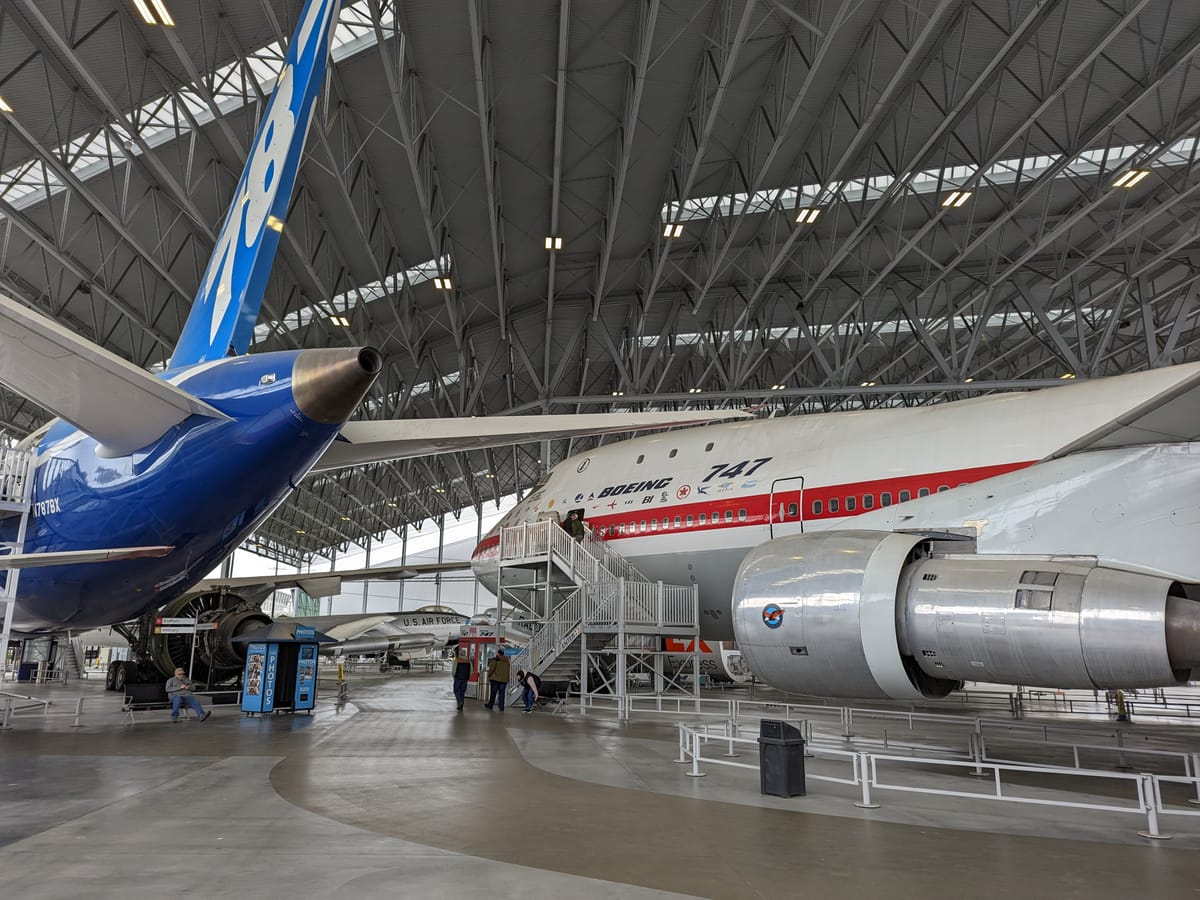
The red-striped first Boeing 747 beside the tail of the third Boeing 787 under a steel roof
Boeing 747 RA001 and 787 ZA003 side by side in the Aviation Pavilion, 2023Concorde642 · CC BY-SA 4.0
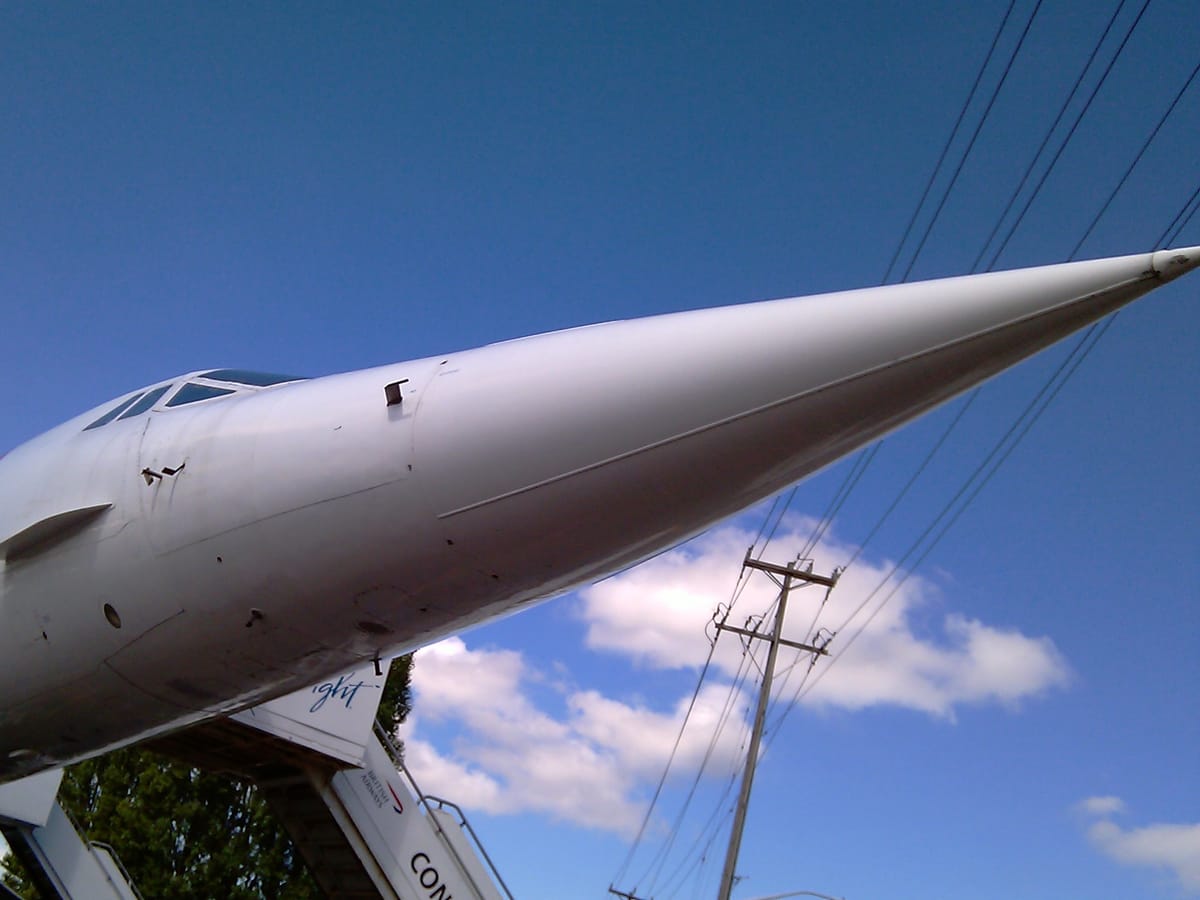
Low view of Concorde's pointed nose and cockpit windows with boarding stairs behind
Concorde G-BOAG's droop nose against a Seattle sky, 2010Clemens Vasters from Viersen, Germany · CC BY 2.0
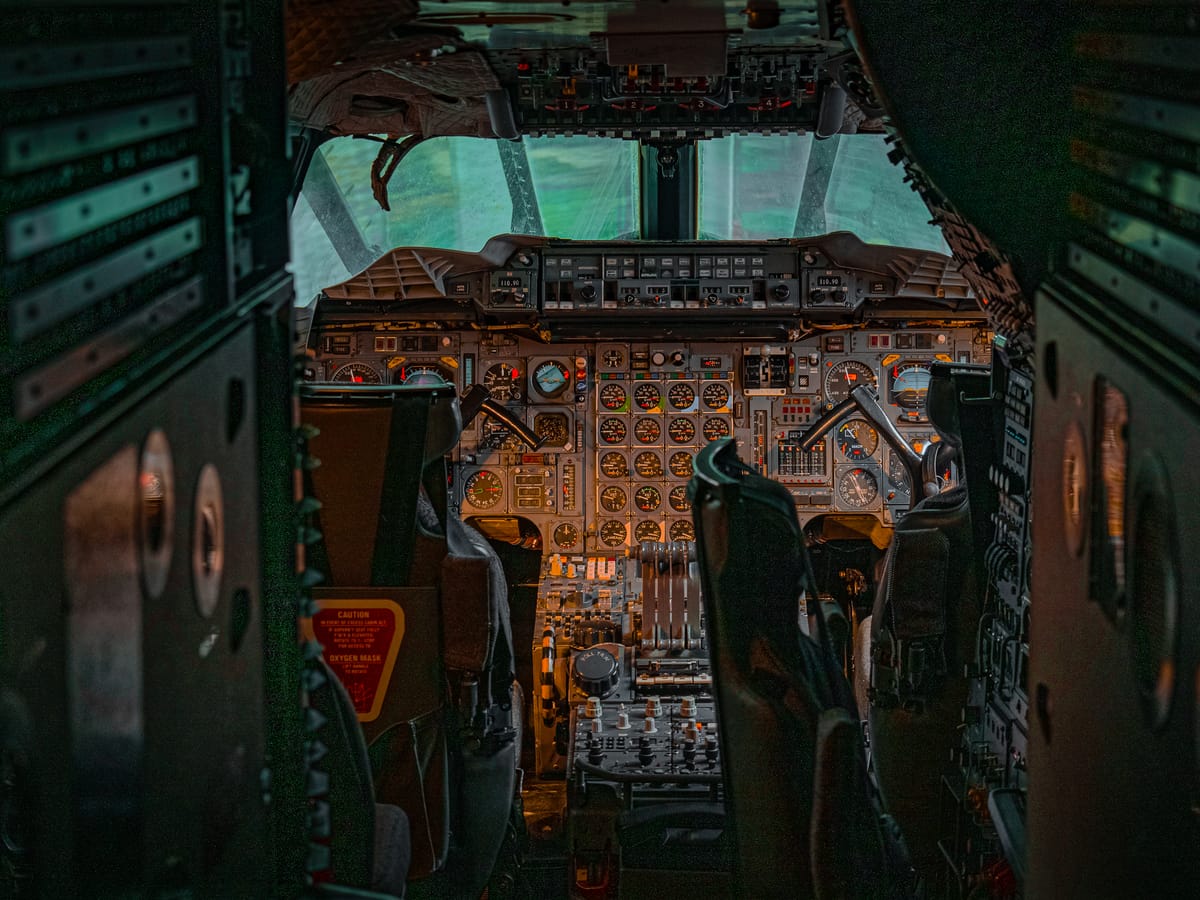
Concorde cockpit with three crew seats and dense analogue instrument panels behind a glass screen
Concorde G-BOAG flight deck, seen from the walk-through, 2024cascadevideoproductions · CC BY 2.0
Rear fuselage of a camouflaged Spitfire showing RAF roundel and serial MK923
Supermarine Spitfire LF IXe MK923 in the Personal Courage Wing, 2015Chris Light · CC BY-SA 4.0
Long timber-pillared factory floor with wooden aircraft parts and period tools on display
The restored work floor of the 1909 Red Barn, 2024Chris Light · CC BY-SA 4.0
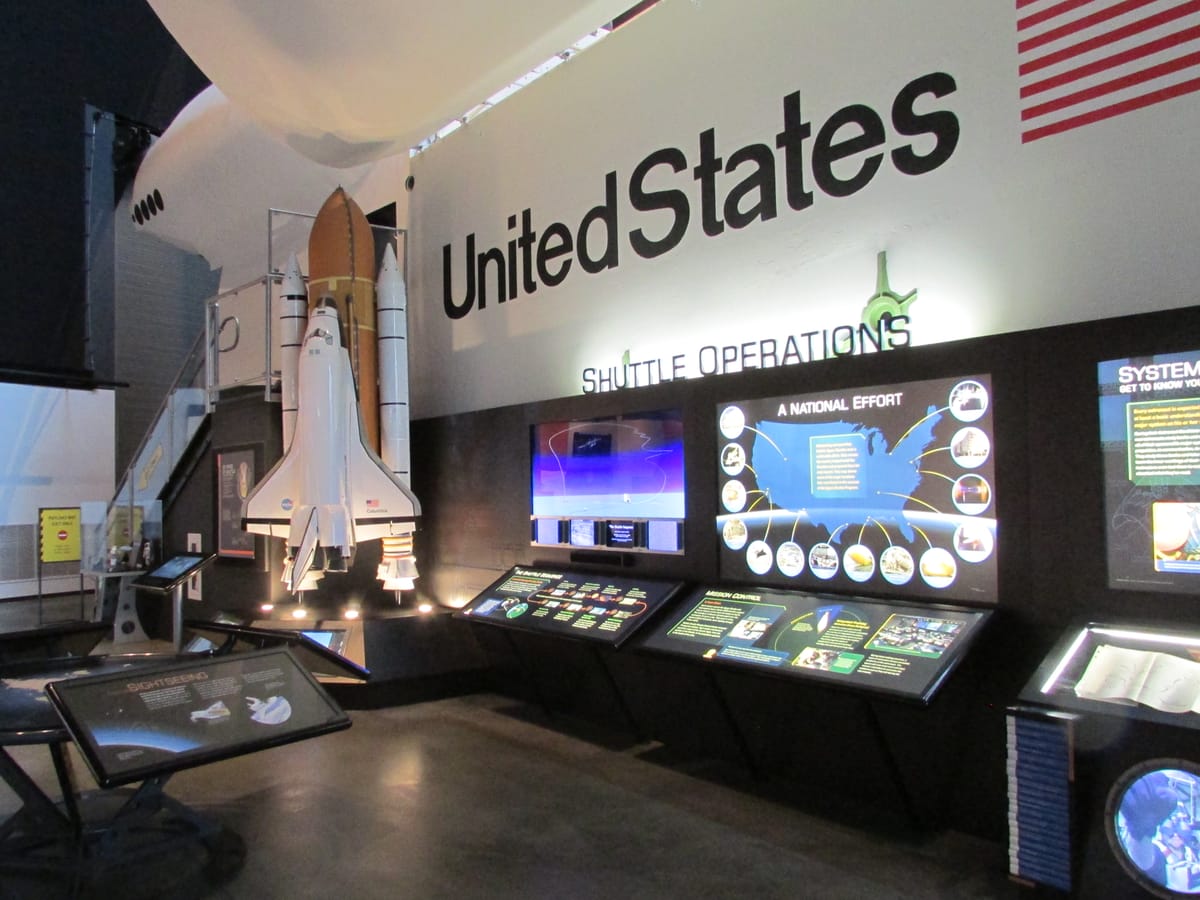
Space Shuttle model and display panels beneath the nose of the NASA Full Fuselage Trainer
Shuttle exhibits in the Charles Simonyi Space Gallery, 2024Chris Light · CC BY-SA 4.0

Freely licensed photographs from Wikimedia Commons, credited to their photographers.

In The Hangar

The collection in profile

37 types held here that we have drawn and built in 3D. Choose one to turn it over, or see all 301 in The Hangar.

Questions

Before you book

Is The Museum of Flight free?

No. Adult (18+) $29; senior (65+) $25; youth (5–17) $21; children 4 and under free; members free. Admission is free 17:00–21:00 on the first Thursday of every month. Caregivers accompanying a visitor with a disability enter free.

What are the opening hours?

Open daily 10:00–17:00; closed Thanksgiving Day (26 Nov 2026) and Christmas Day. The walk-through aircraft in the Aviation Pavilion – Concorde G-BOAG, Air Force One SAM 970, 787 ZA003 and the first 747 – are open 11:00–16:00, subject to closure on the day. Free First Thursdays run late, 17:00–21:00. Check the museum's own website before travelling.

How far is it from London?

About 4,780 miles from Heathrow as the great circle flies. The nearest airport is Seattle–Tacoma (SEA), about 15 minutes by road. Local time is Pacific time, eight hours behind London.

How long should I allow?

Four hours to a full day; the Aviation Pavilion over the footbridge takes an hour on its own.

How many aircraft are there?

About 150 in the collection. The checklist on this page lists 97 of them by serial.

Order of battle

Airframe checklist

97 airframes on display, compiled on 28 October 2026 from the museum’s own listings and the published sources below. Collections move: aircraft go out on loan, into restoration or into the reserve hangar, so check the labels as you go.

SeenTypeSerial / registration
Aeronca C-2N30RC
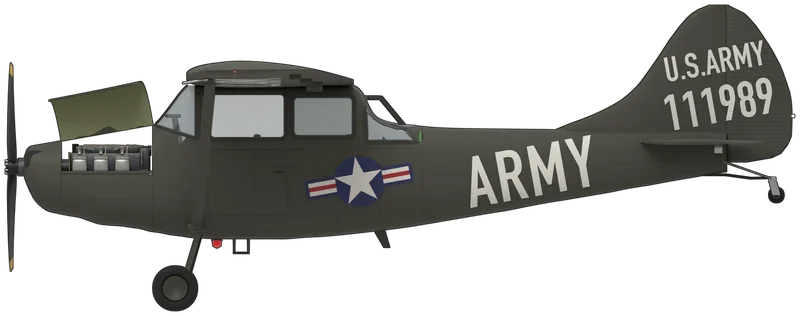
Aeronca L-3B (O-58B) GrasshopperN47427
Beech C-45H Expeditor51-11696 / N115ME
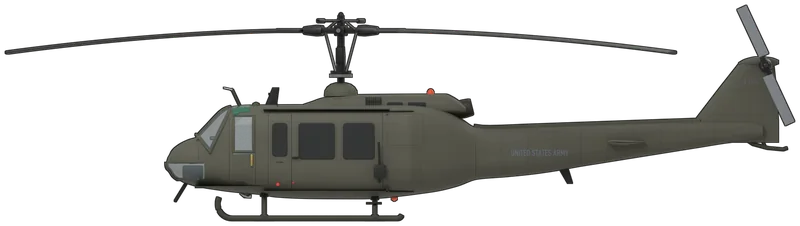
Bell UH-1H Iroquois69-15140
Boeing 100P (P-12/F4B)N872H
Boeing 80A-1N224M
Boeing B & W (replica)N1916
Boeing Model 40B (reproduction)—
Bowers Fly Baby 1AN4339
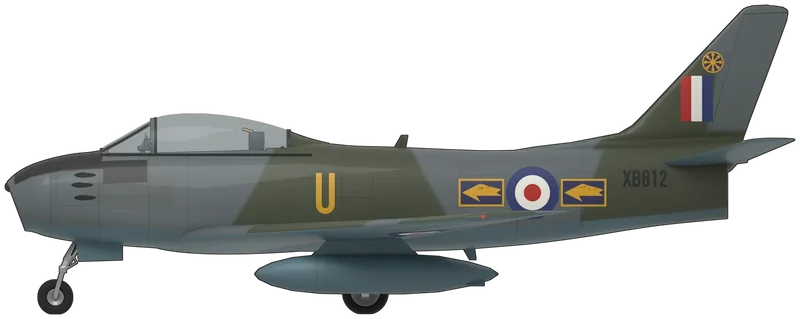
Canadair CL-13B Sabre Mk 623363 / N8686F
Cessna CG-2 gliderN178V
Curtiss-Robertson Robin C-1N979K
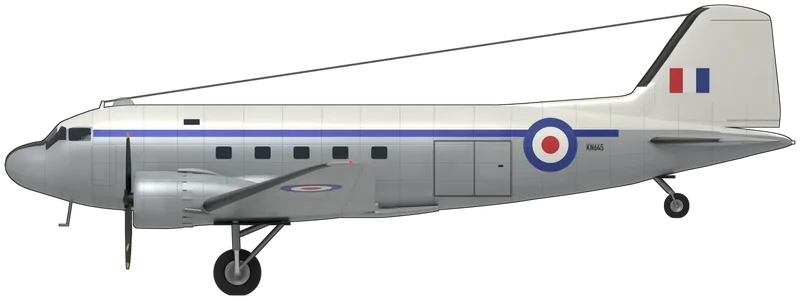
Douglas DC-3N138D
Fairchild 24WN37161
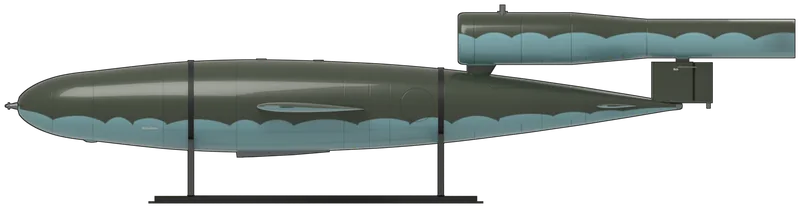
Fieseler Fi 103 (V-1)—
Granville Brothers Gee Bee Z (reproduction)NR77V
Heath Parasol—
Insitu Aerosonde 'Laima'—
Lamson L-106 Alcor gliderN924LR
Lear Fan 2100N626BL
Lockheed M-2160-6940
Lockheed D-21B drone90-0510
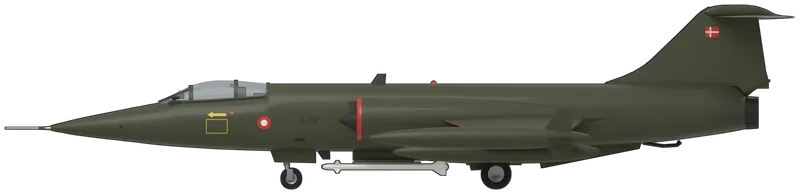
Lockheed F-104C Starfighter56-934
Lockheed Martin RQ-3A DarkStar—
Lockheed 10-E ElectraN72GT
MacCready Gossamer Albatross II—
McAllister Yakima Clipper gliderN10655
McDonnell F-4C Phantom II64-0776
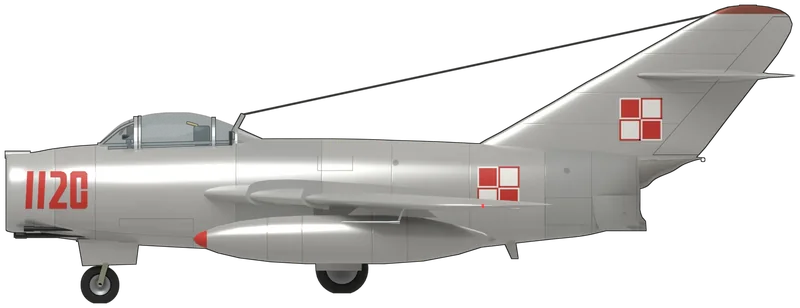
Mikoyan-Gurevich MiG-15124079
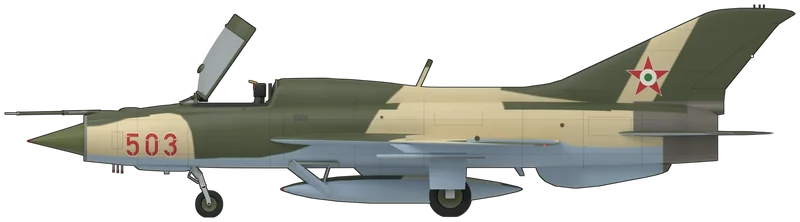
Mikoyan-Gurevich MiG-21PFM5411
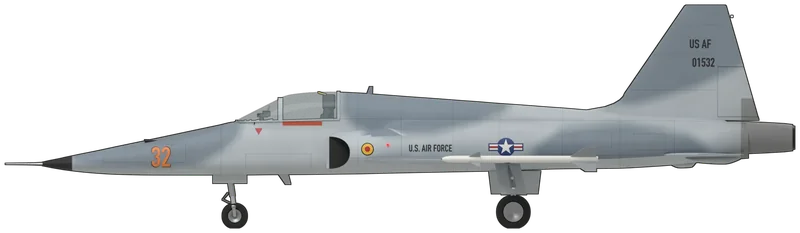
Northrop YF-5A Freedom Fighter59-4987
Perlan glider—
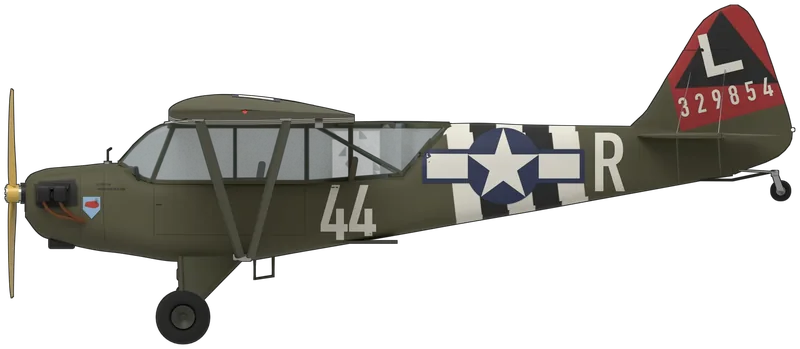
Piper J-3C-65 CubN88023
Ryan M-1N46853
Sikorsky HH-52A SeaguardUSCG 1415
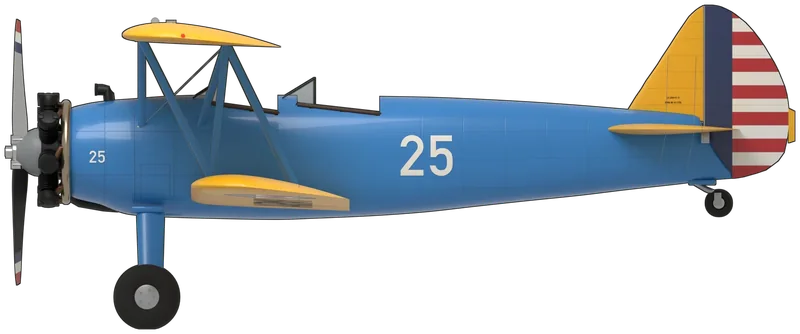
Stearman C-3BN7550
Stearman PT-13A KaydetN8FL
Stephens AkroN78JN
Stinson Model ONC12817
Stinson SR ReliantN13477
Swallow CommercialN6070
Taylor Aerocar IIIN100D
Vought XF8U-1 (XF-8A) Crusader138899
Wright 1903 Flyer (replica)—
Pratt-Read PR-G1 gliderN60353
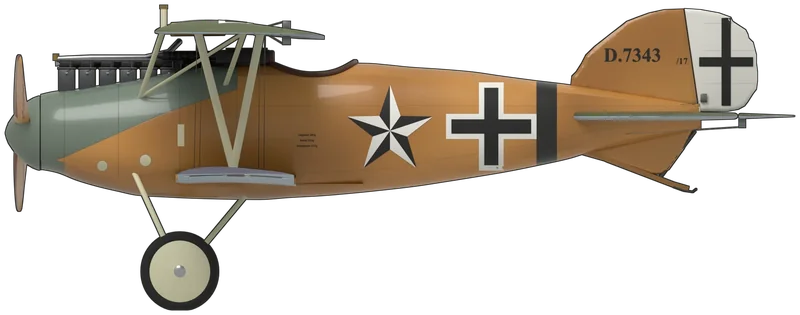
Albatros D.Va (reproduction)NX36DV
Aviatik (Berg) D.I101.4
Caproni Ca.201
Curtiss JN-4D Jenny (reproduction)—
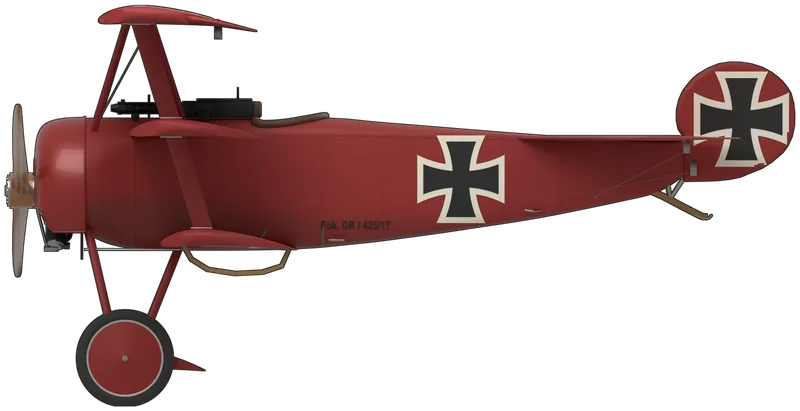
Fokker Dr.I (reproduction)NX2203
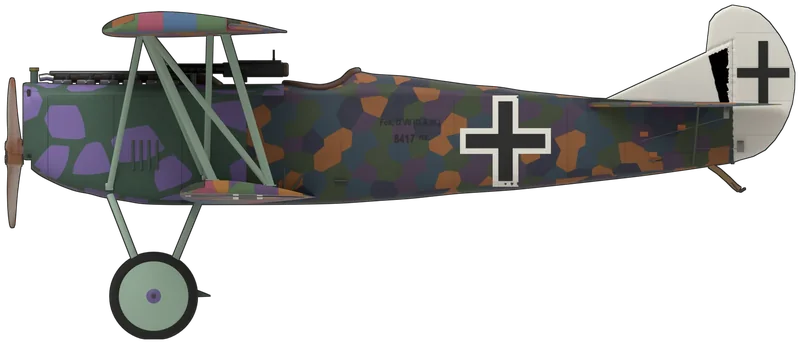
Fokker D.VIII (reproduction)NX7557U
Fokker E.III (reproduction)N3363G
Nieuport 24bis (reproduction)N24RL
Nieuport 27 (reproduction)N5597M
Nieuport 28C.114
Pfalz D.XII3498 / N43C
Royal Aircraft Factory S.E.5a (reproduction)NX910A
Sopwith F.1 Camel (reproduction)NX6330
Sopwith Pup (reproduction)NX6018
Sopwith 7F.1 Snipe (reproduction)NX6765D
Sopwith Triplane (reproduction)N38057
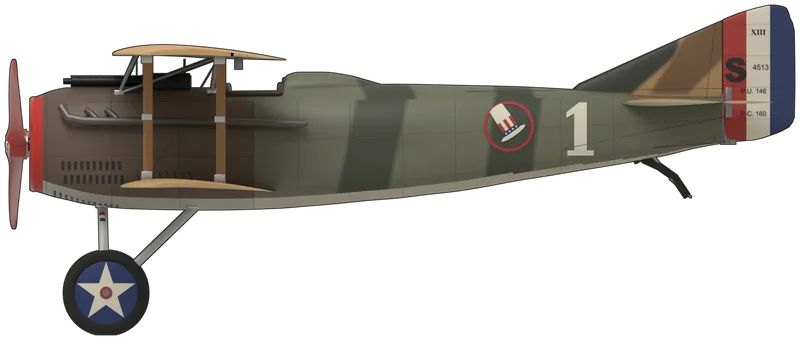
SPAD XIIINX3883F
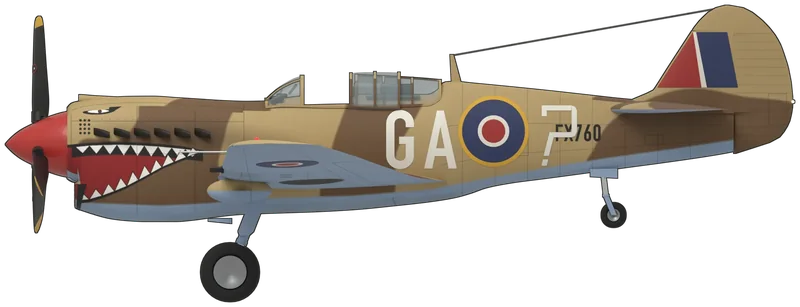
Curtiss P-40N Warhawk44-4192 / NL10626
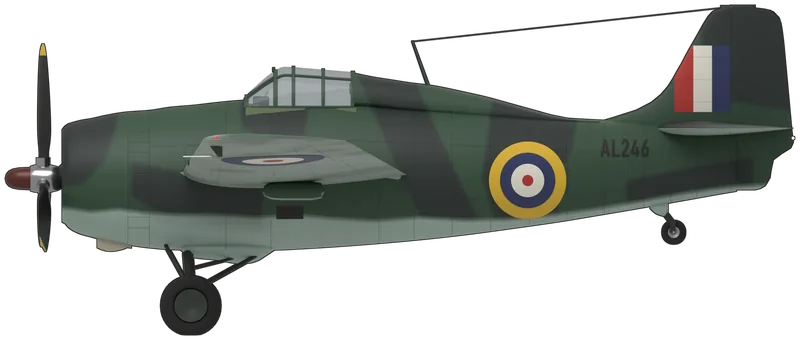
General Motors (Eastern) FM-2 Wildcat74512
Goodyear FG-1D Corsair88382
Lockheed P-38L Lightning44-53097 / NL3JB
Messerschmitt Bf 109E-3NX109J
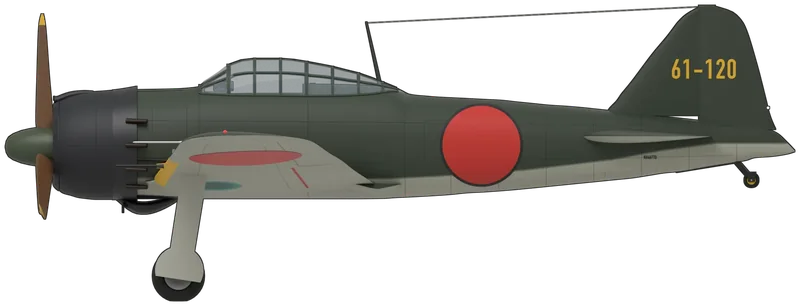
Nakajima Ki-43-IIIa Hayabusa (reproduction)—
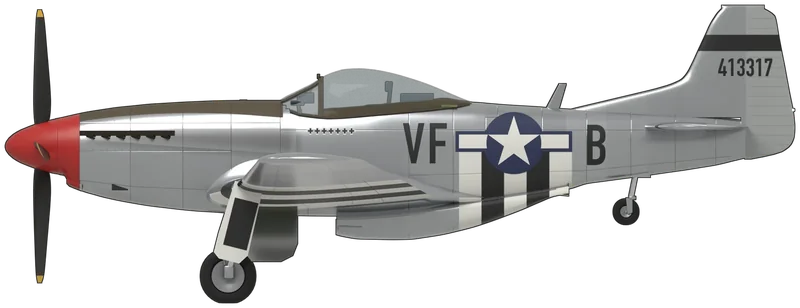
North American P-51D Mustang—
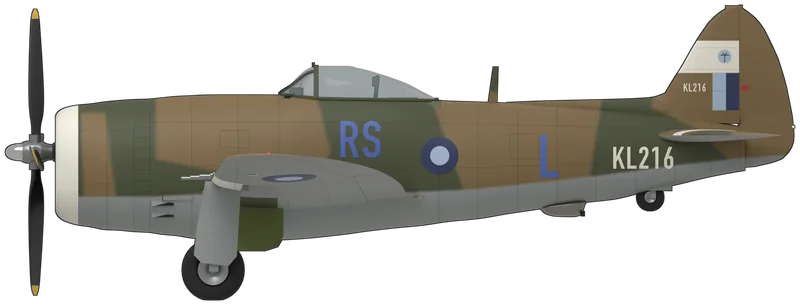
Republic P-47D Thunderbolt42-8205 / NX14519
Supermarine Spitfire LF Mk IXeMK923 / N521R
Yakovlev Yak-9U—
Aérospatiale-BAC Concorde 102G-BOAG
Boeing 747-121N7470 (RA001)
Boeing 787-8 DreamlinerZA003
Boeing VC-137B (707-153) 'SAM 970'58-6970
Boeing 727-022N7001U
Boeing 737-130NASA 515
Boeing 247DN13347
Douglas DC-2N1934D
Boeing B-17F Flying Fortress42-29782 / N17W
Boeing B-29 Superfortress 'T-Square 54'44-69729
Boeing WB-47E Stratojet51-7066
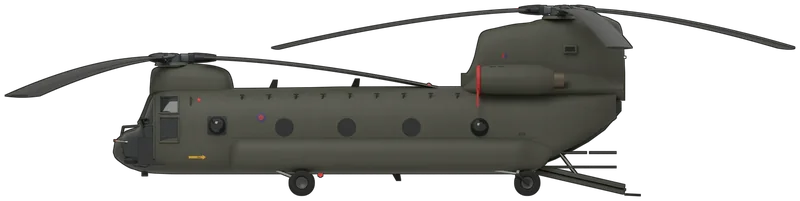
Boeing CH-47D Chinook91-00261
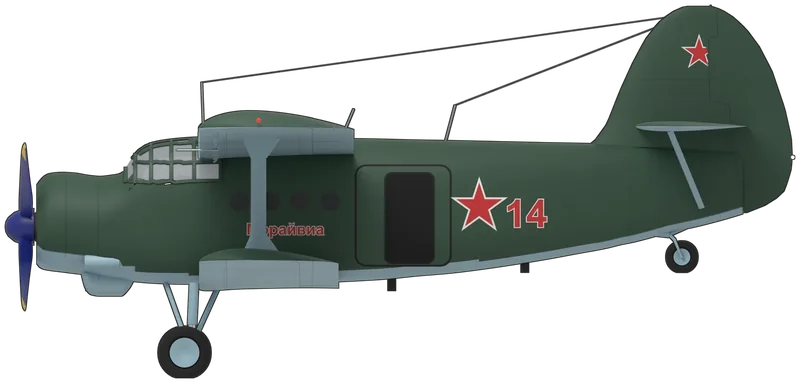
Antonov An-2 (Colt)N61SL
Douglas A-4F Skyhawk II154180
Grumman A-6E Intruder158794
Grumman EA-6B Prowler161884
Grumman F-14A Tomcat160382
Grumman F9F-8 (F-9J) Cougar—
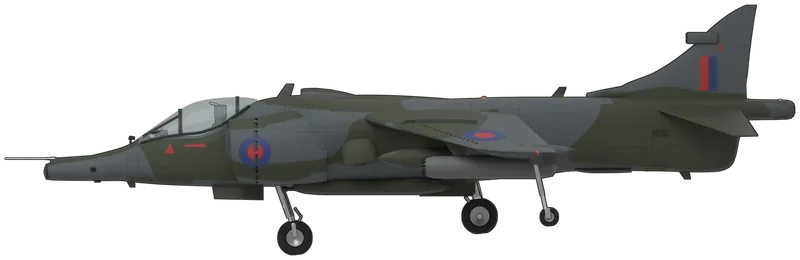
McDonnell Douglas AV-8C Harrier158977
Boeing B-52G Stratofortress 'Midnight Express'59-2584
Lockheed L-1049G Super ConstellationCF-TGE
McDonnell Douglas F/A-18 Hornet—
NASA Space Shuttle Full Fuselage Trainer—
Soyuz TMA-14 descent module—
North American Apollo Command ModuleCM 007A
Contact

Location & contact

Address
9404 East Marginal Way South, Seattle, WA 98108-4097
Phone
+1 206-764-5700
Website
museumofflight.org
Supplement
US-05 · North America

Facts checked against the museum’s own website on 28 October 2026. Sources: museumofflight.org, museumofflight.org, museumofflight.org, museumofflight.org, museumofflight.org, museumofflight.org. Corrections to mg@ub.io.

See also