How the collection came to be
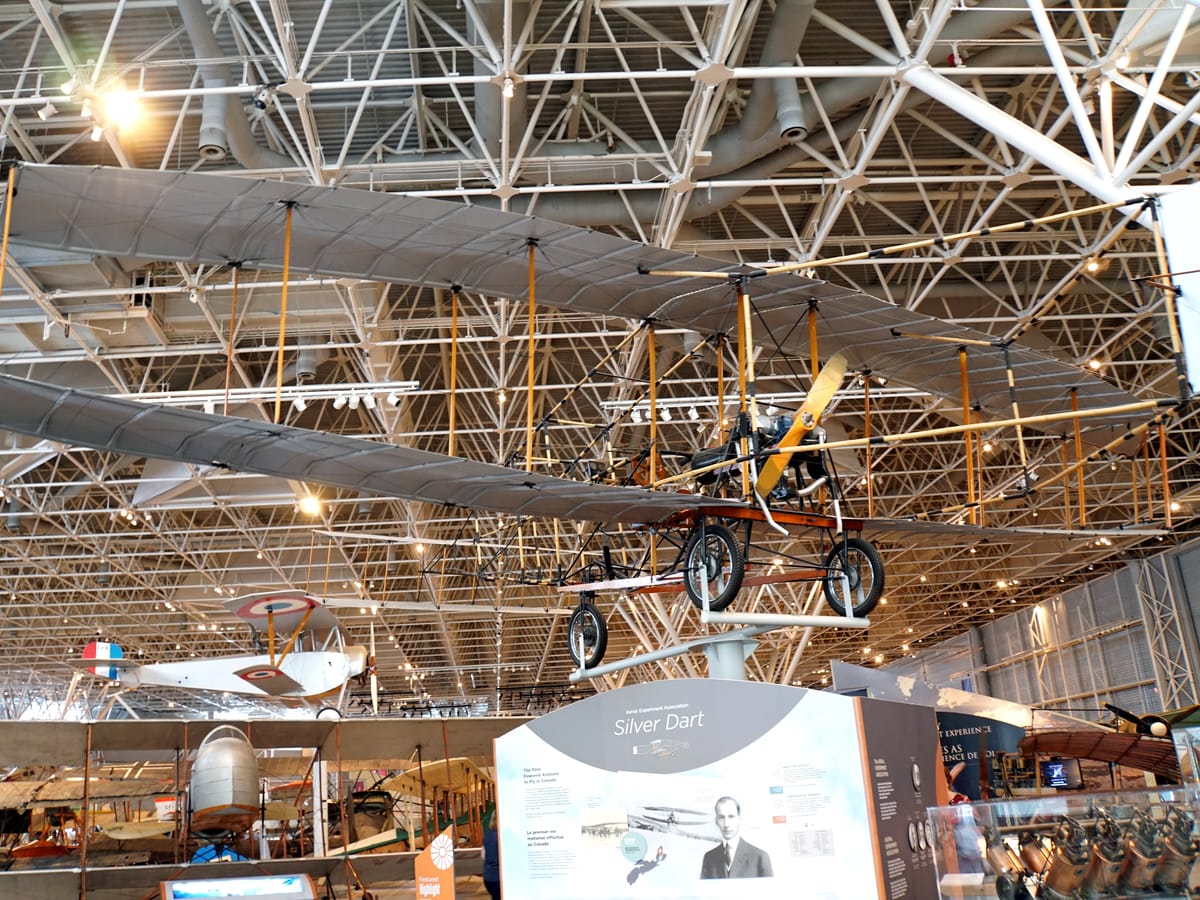
The ground at Rockcliffe was a rifle range in the late 1890s. It became a Royal Canadian Air Force station in 1924. The museum itself began elsewhere: the National Aviation Museum opened at Uplands Airport, south of Ottawa, in 1960. On opening day, 25 October 1960, the only full-scale aircraft on show was the Silver Dart replica that RCAF volunteers at No. 6 Repair Depot, Trenton, had built for the 1959 fiftieth anniversary of Canadian powered flight. Wing Commander Paul Hartman had flown it at Baddeck that February, and crashed it there in a gusty wind without injury to himself. The founding curator was K.M. Molson.
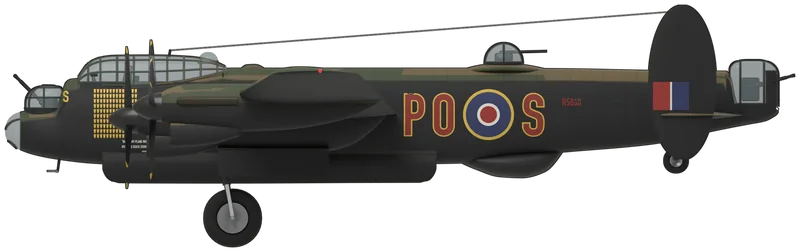
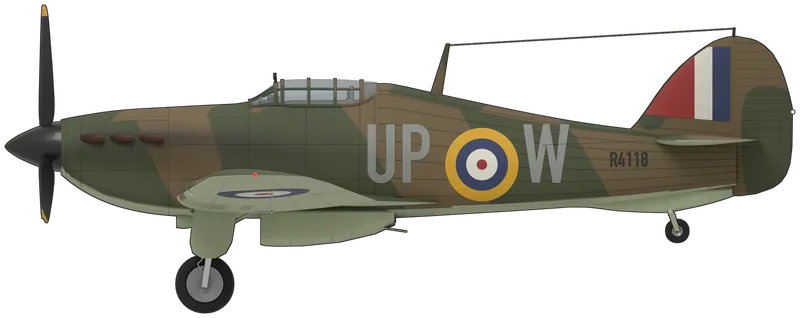
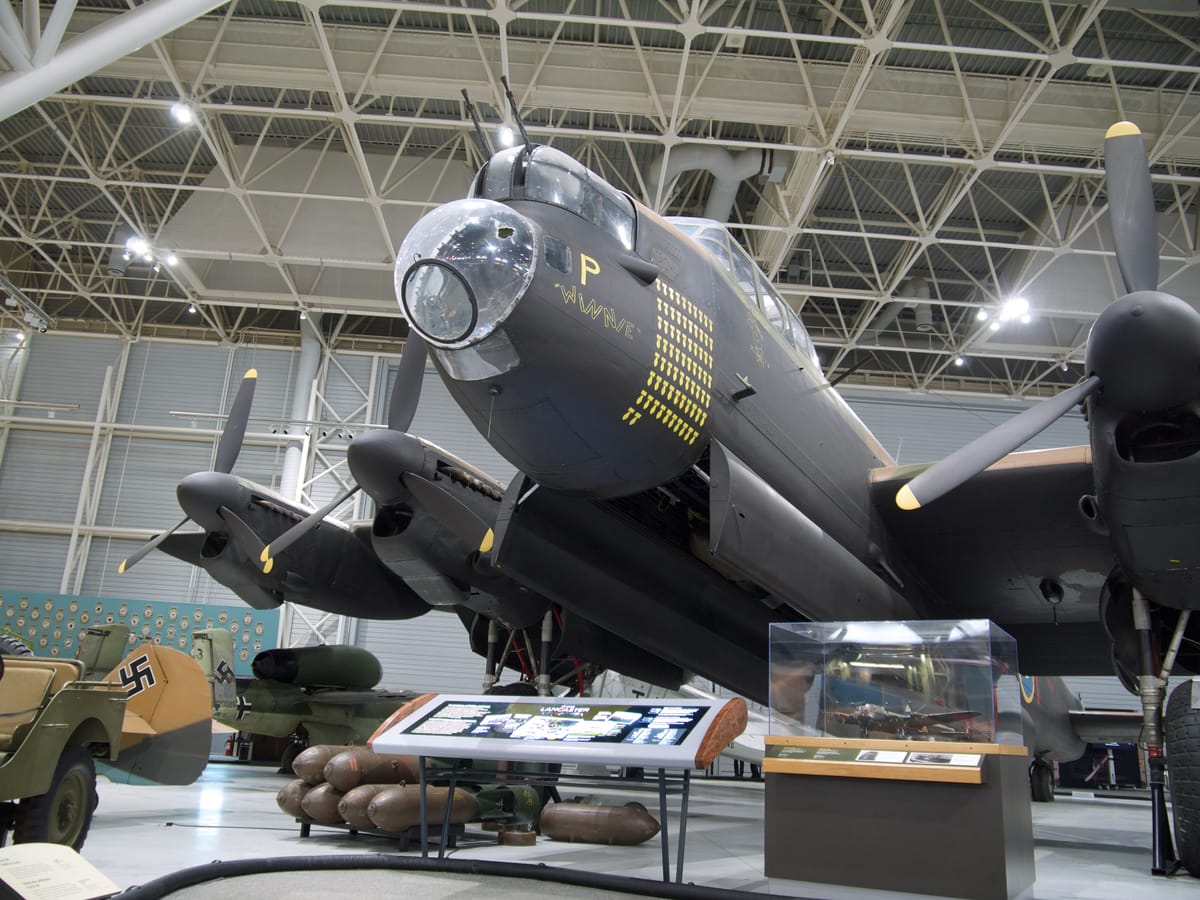
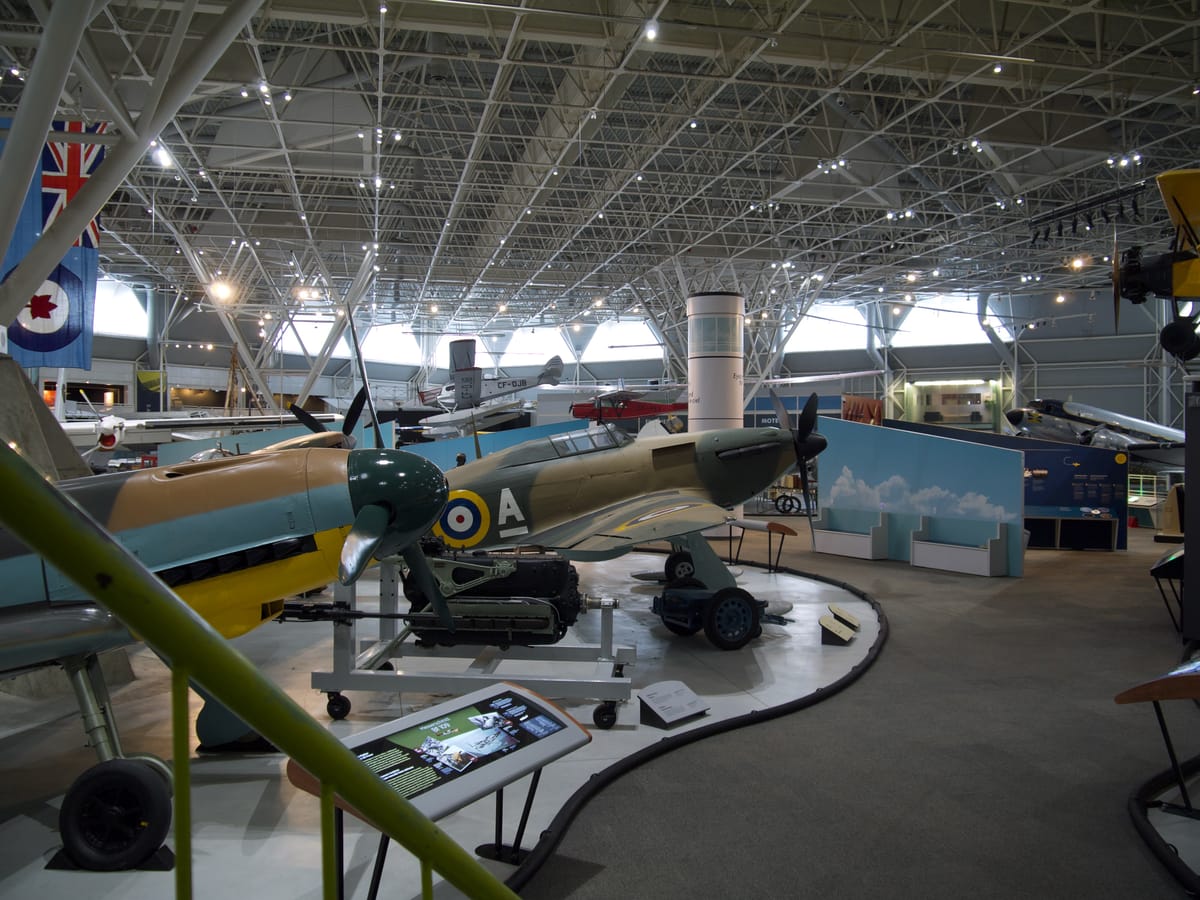
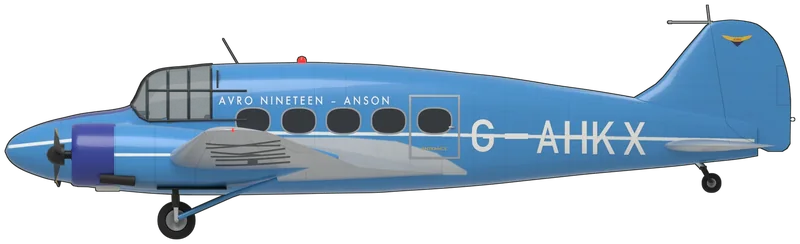
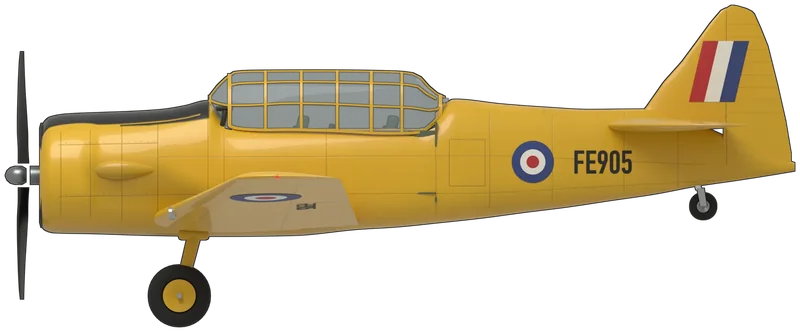
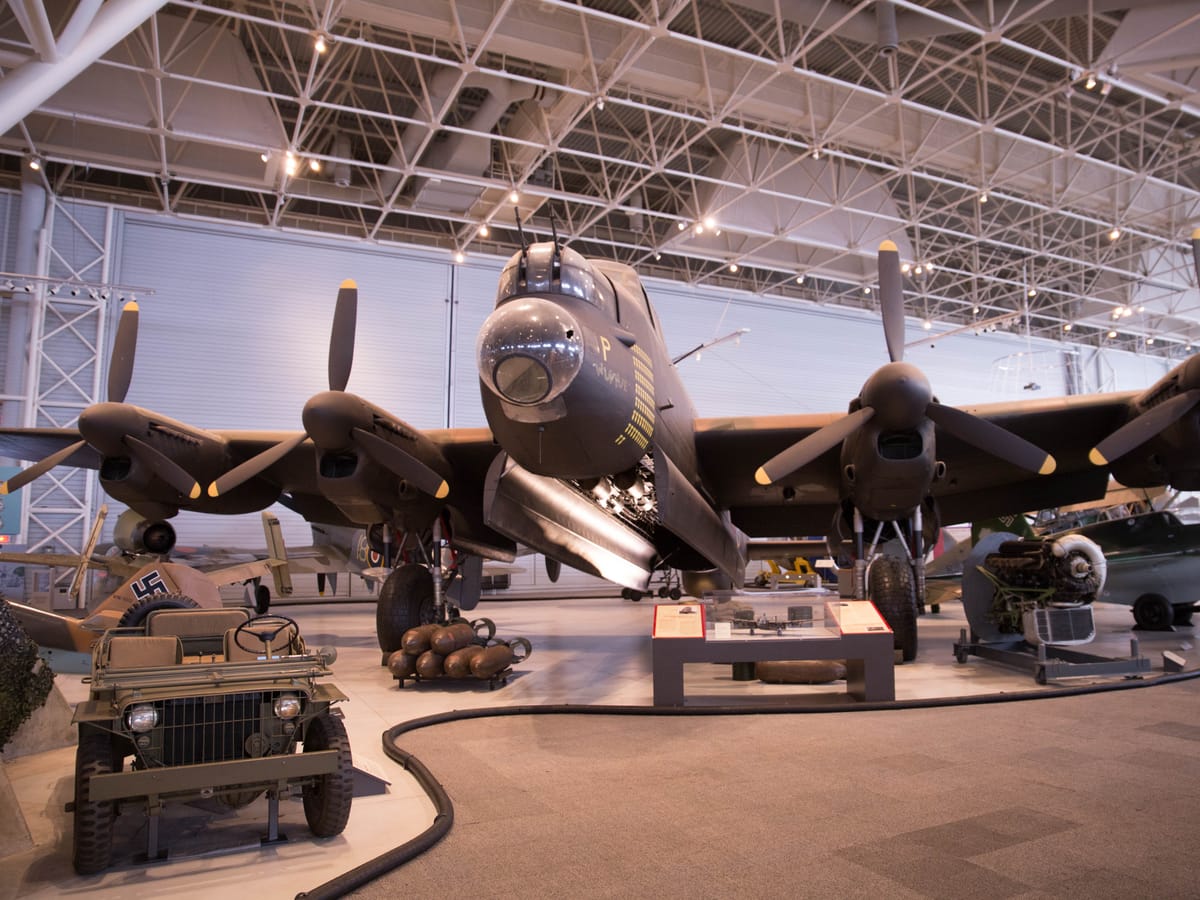
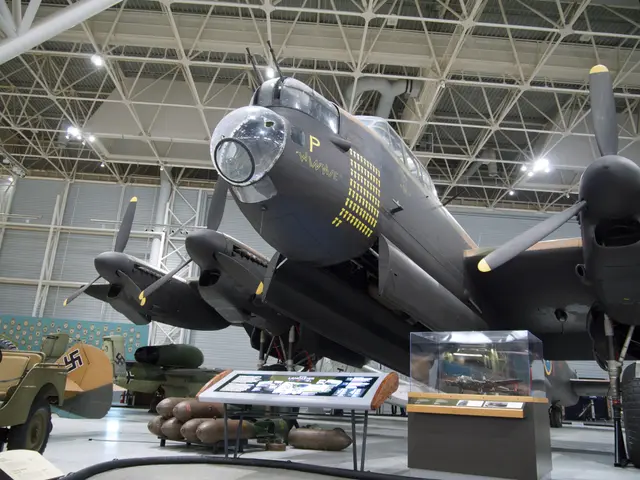
The decisive year was 1964. When the RCAF stopped flying at Rockcliffe, three collections were merged into Canada's National Aeronautical Collection: the National Aviation Museum's civil and pioneer aircraft, the Canadian War Museum's aircraft and the RCAF's own historic aircraft. The RCAF had been gathering the last of these at Rockcliffe since the early 1960s, mostly from storage depots across the West, and it is why the museum's Second World War airframes are so original. Lancaster X KB944, Hurricane XII 5584, Anson V 12518, Harvard II 2532 and Silver Star 21574 (the Red Knight solo aerobatic aircraft) all came across in 1964. The merged collection was housed in three wartime hangars on the south side of the field.
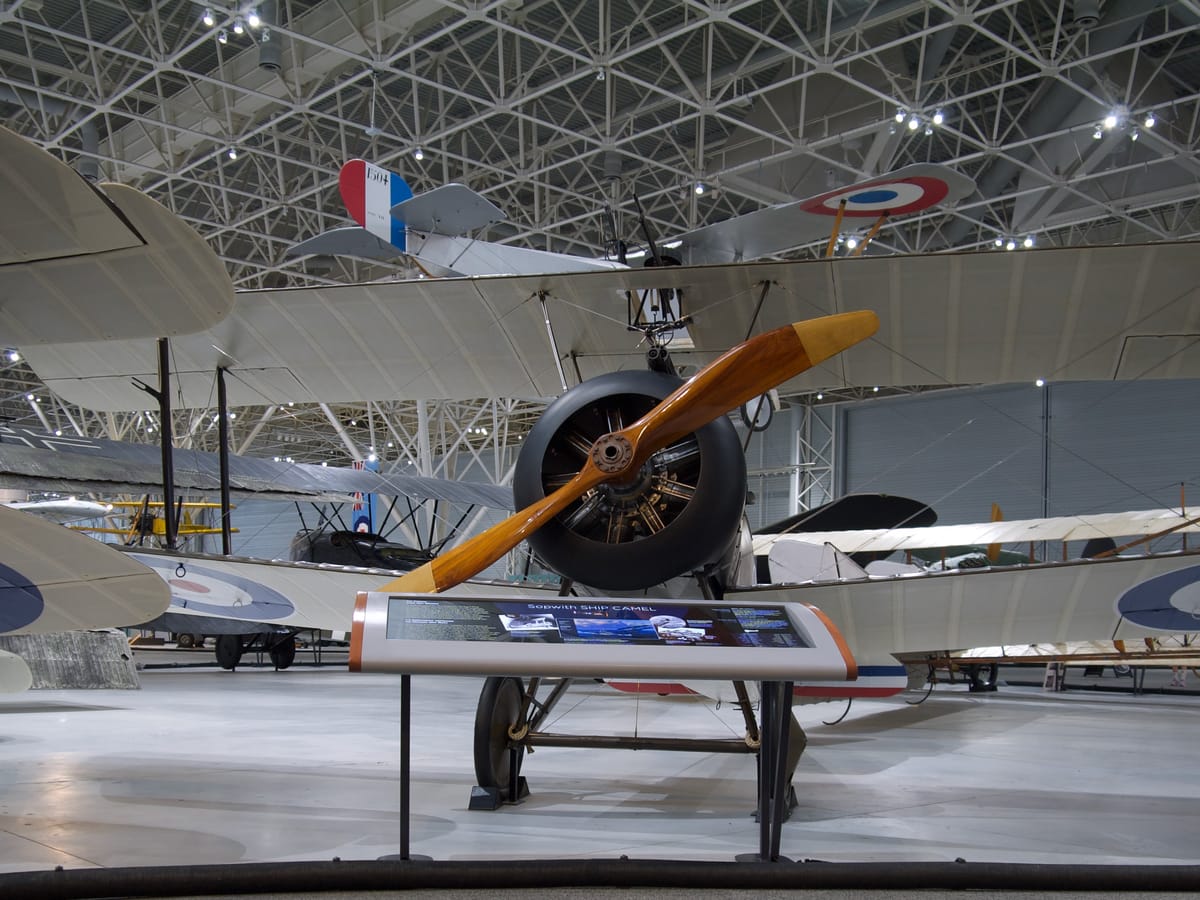
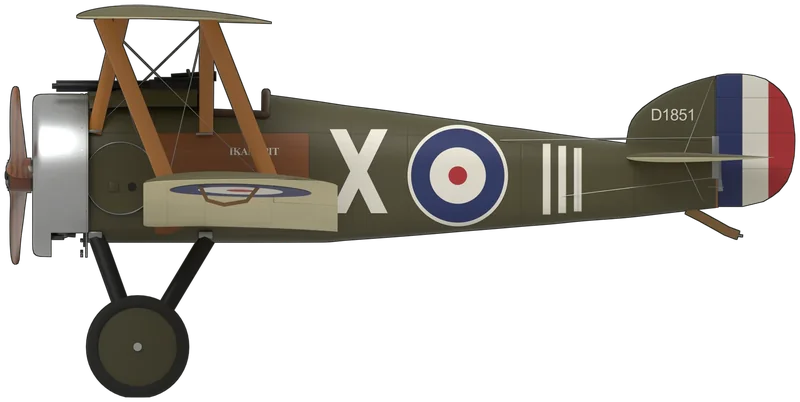
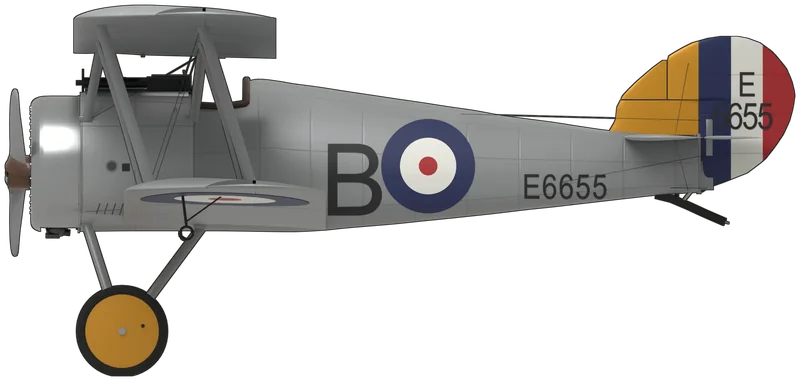
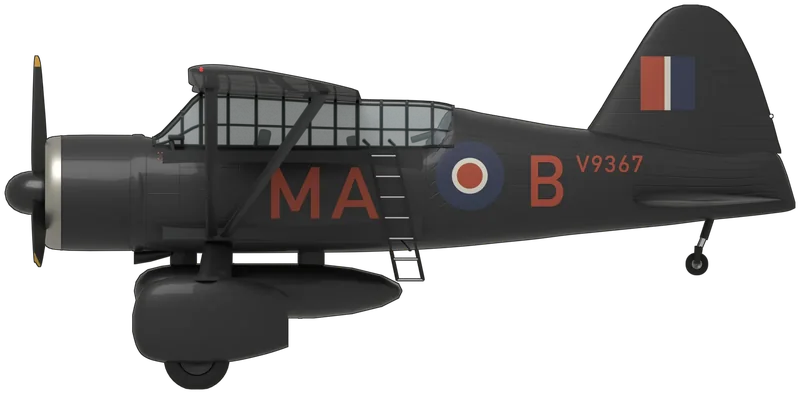
For its first decade the collection was also a flying one. The Sopwith Snipe E6938, bought in 1964 from the Hollywood circuit where Reginald Denny had flown it, was the first of the First World War fighters flown by the museum's chief pilot, Paul Hartman. Ship Camel N8156 was made airworthy and flown in May and June 1967. A Lysander built up from three airframes first flew on 29 December 1967 and last flew in October 1970. Restoration became the museum's great craft. The Curtiss HS-2L La Vigilance, raised from Foss Lake, Ontario, in 1968–69, took from 1970 to 1986 to rebuild, the museum's largest and longest restoration.
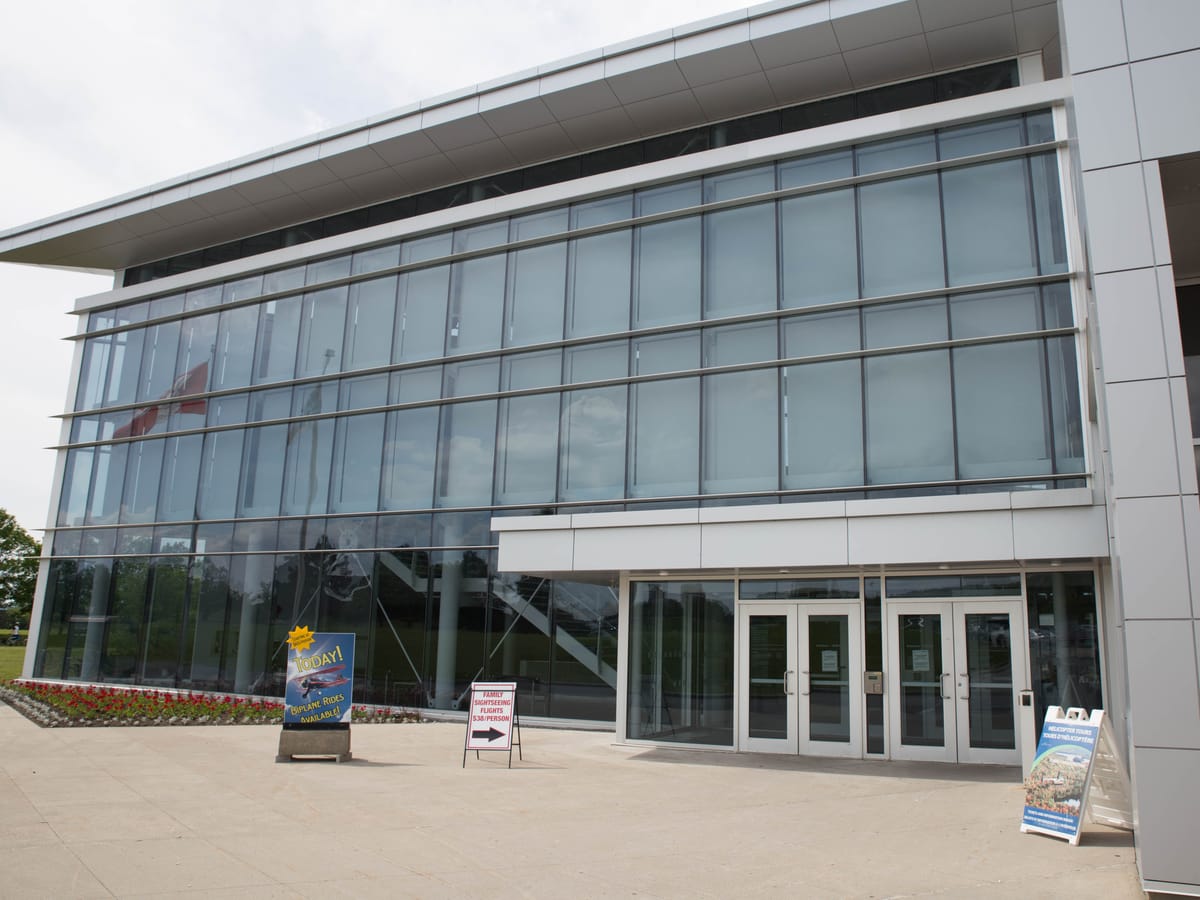
The collection was renamed the National Aviation Museum in 1982. Its present building, a delta-plan hall full of white steel trusses, was opened on 17 June 1988 by the Governor General, Jeanne Sauvé, with the director R.W. Bradford presiding. The name changed to the Canada Aviation Museum in 2000. A storage hangar followed in 2006 so that every aircraft could be kept indoors, and when space was added to the mandate the museum became the Canada Aviation and Space Museum in 2010. It is one of Ingenium's three national museums of science and innovation in Ottawa.
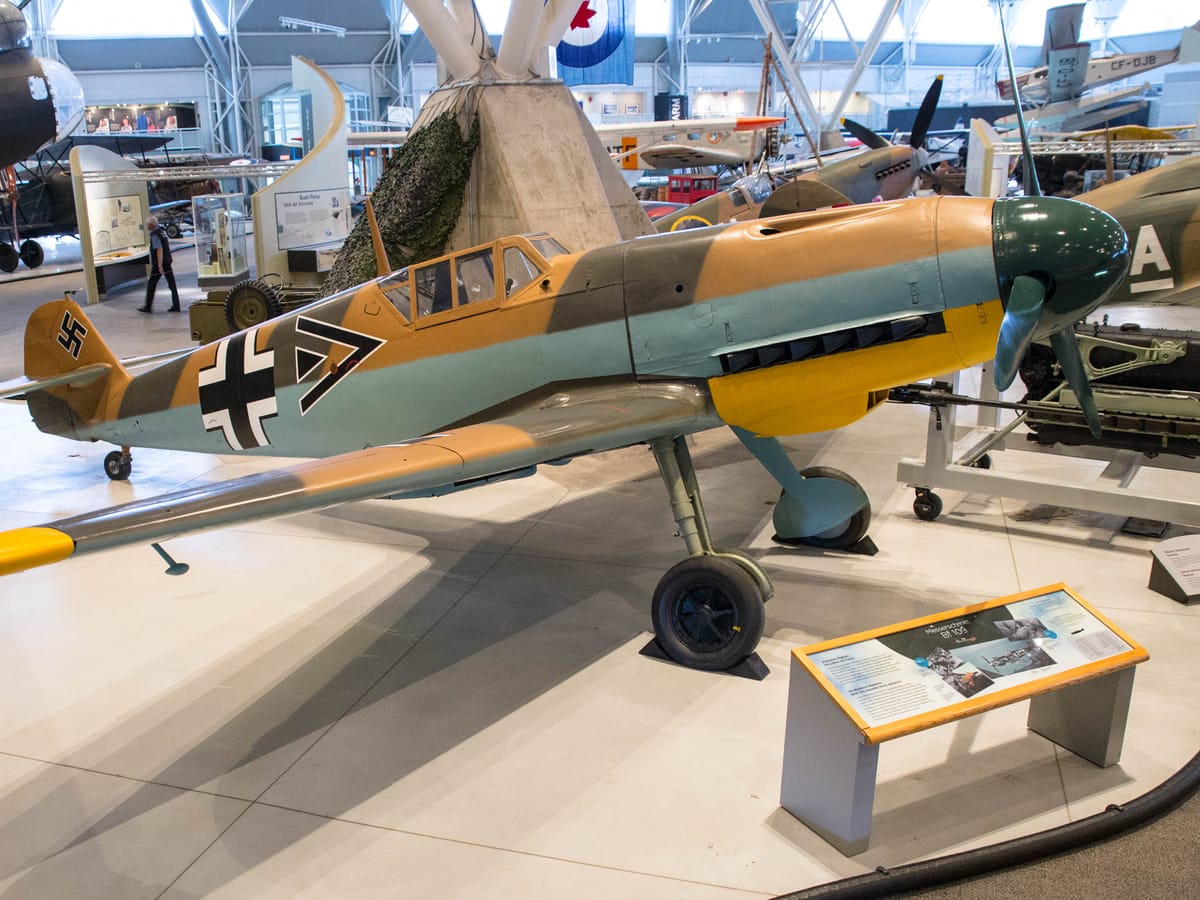
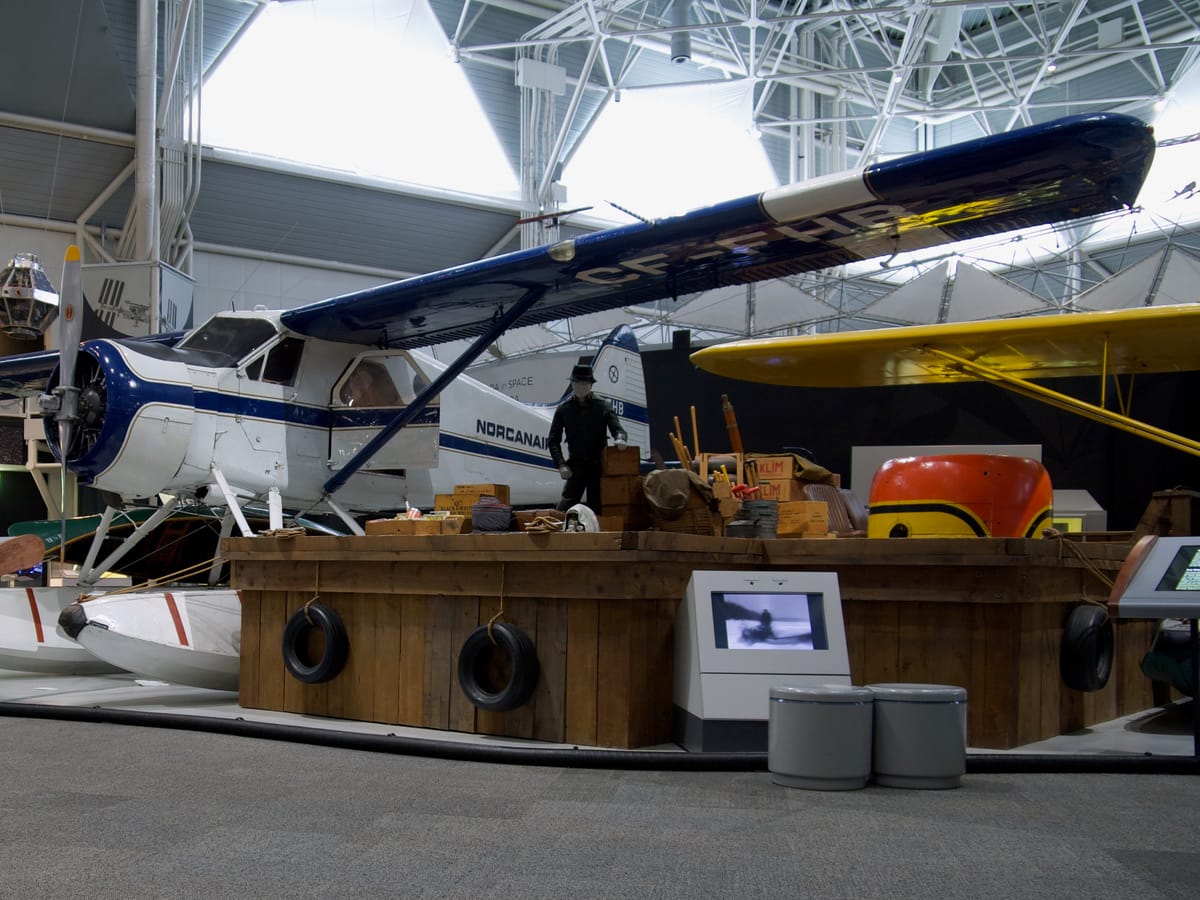
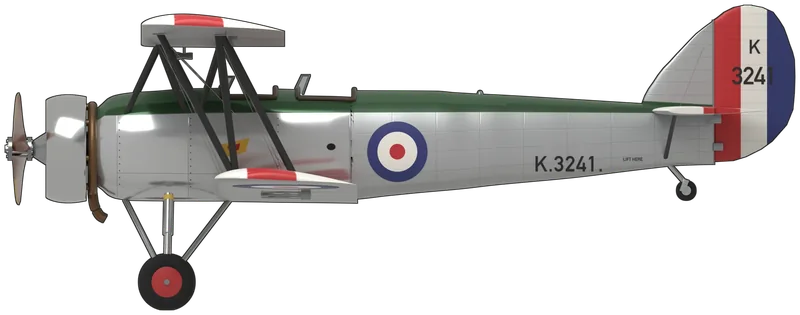
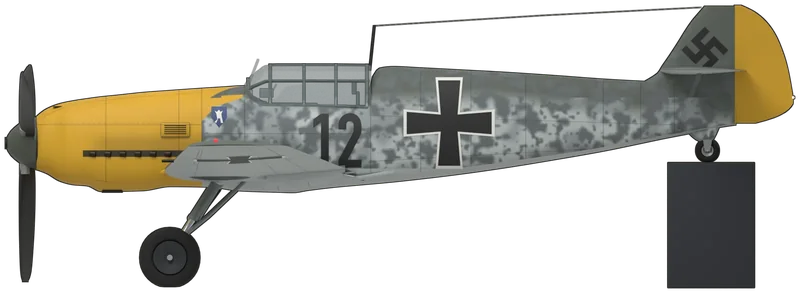
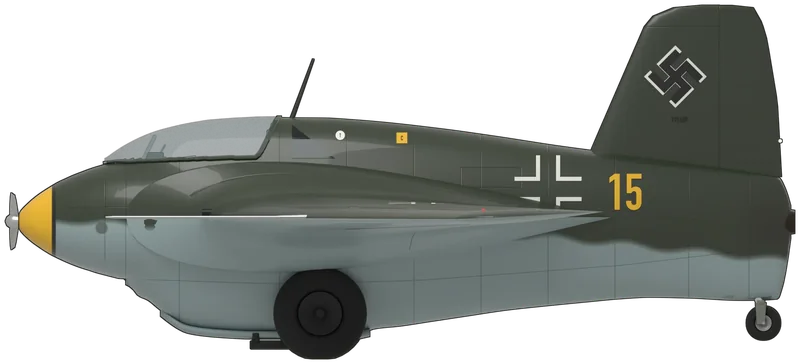
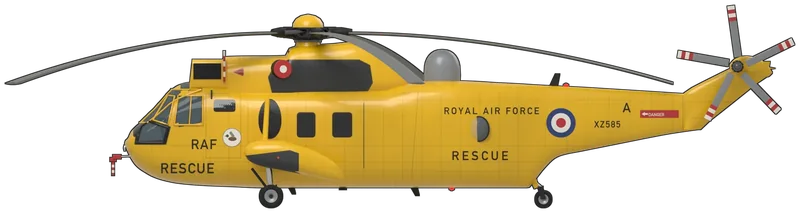
Acquisitions have continued. In 1999 one of the museum's two Me 163B Komets went to Aero Vintage in England in exchange for Bf 109F-4 10132, a Murmansk-front survivor whose bullet holes have been left unrepaired. The first Canadian CF-18, two-seater 188901, was flown into Rockcliffe's short runway on 18 October 2001 and stopped by a mobile arresting gear. Sea King 12426 joined in December 2019. Today the main hall holds more than 60 aircraft arranged chronologically, and the Reserve Hangar next door, more than 8,200 square metres, holds over 60 more. Among them are the Mosquito B.XX, the Bolingbroke, the Avro Canada Jetliner nose, a Hawker Hind and a Bristol Fighter.