How the collection came to be
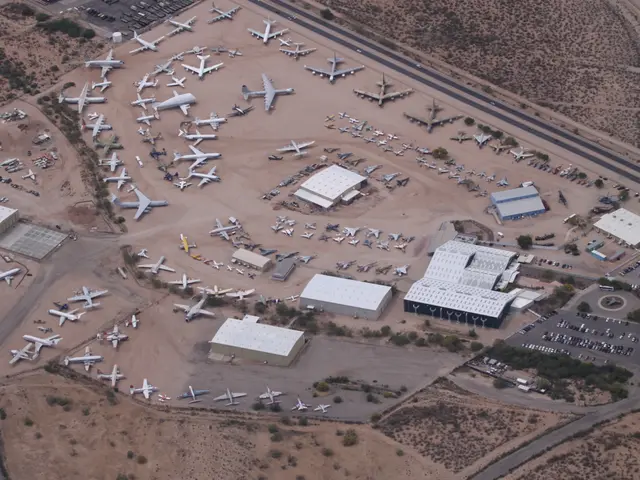
The museum began in 1966 as an act of rescue. Officers at Davis-Monthan, where the Military Aircraft Storage and Disposition Center (MASDC) held thousands of retired airframes, had watched historic types disappear into the smelters. Colonel I. R. Perkin, the MASDC commander, joined members of the Tucson chapter of the Air Force Association to form the Tucson Air Museum Foundation of Pima County. On 11 September 1968 Representative Morris K. Udall presented a 320-acre Bureau of Land Management site to Pima County, the foundation having paid $800 for it.
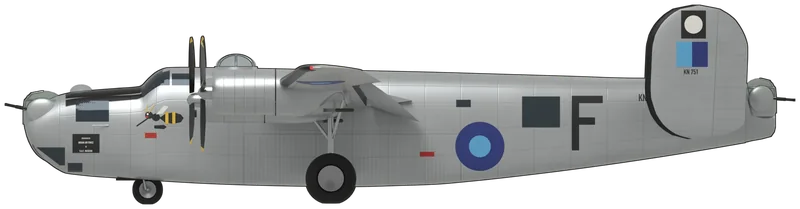
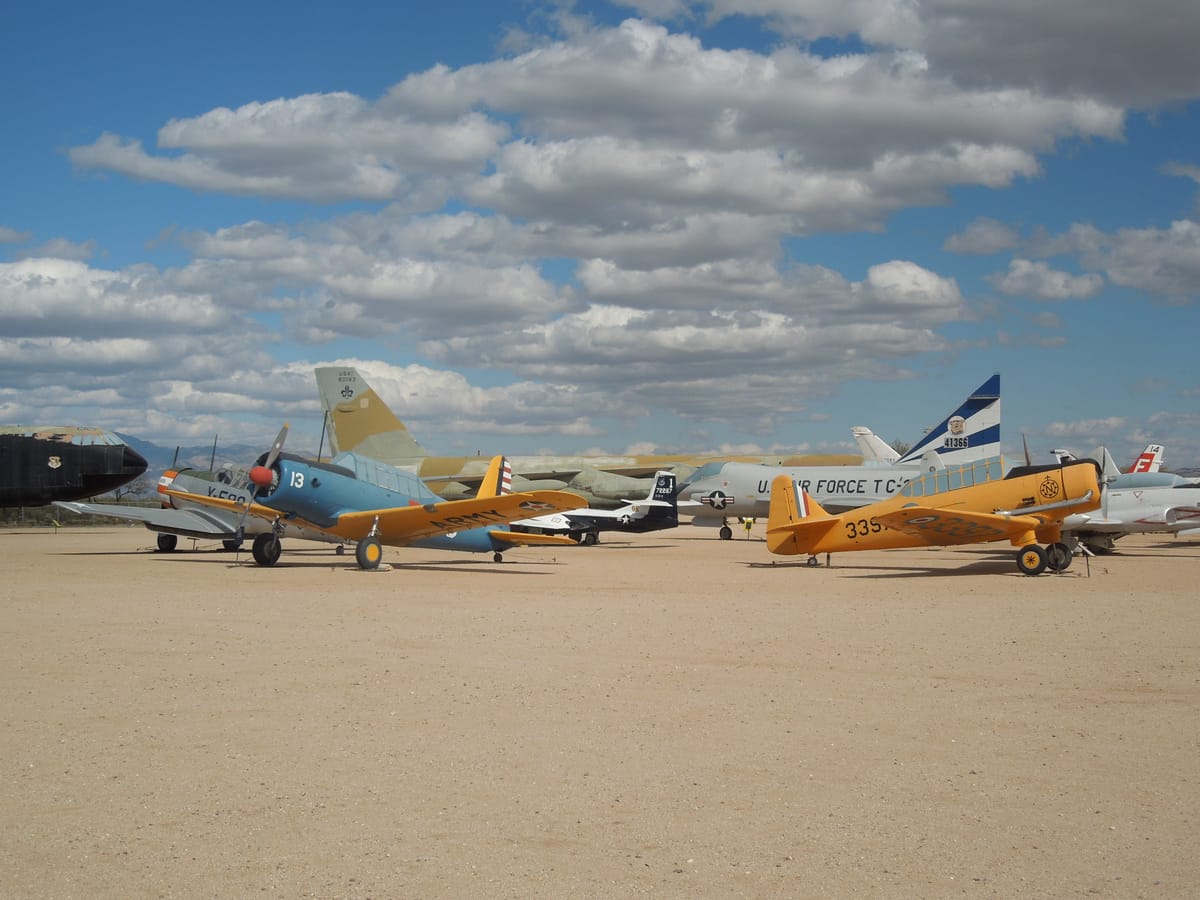
The first exhibit of real consequence arrived on 27 April 1969: Consolidated B-24J Liberator 44-44175, begged from the Indian Air Force by the foundation's Lt Col Rhodes Arnold and flown from India, where General Jimmy Doolittle was on hand to greet it. In August 1973 the first 35 aircraft were towed across from MASDC, and by 1975 about fifty aircraft, helicopters and missiles stood on the site. The museum opened to the public on 8 May 1976, timed for the Bicentennial — a fenced field of aeroplanes with a small white trailer serving as ticket office and headquarters.
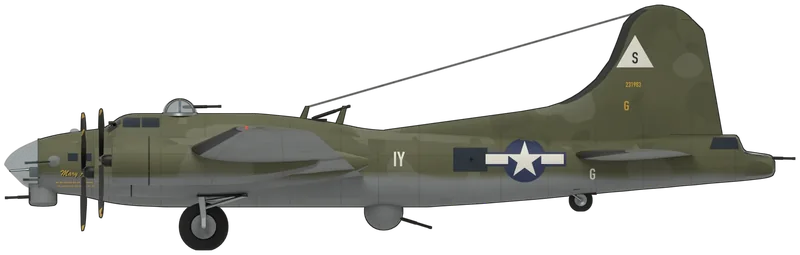
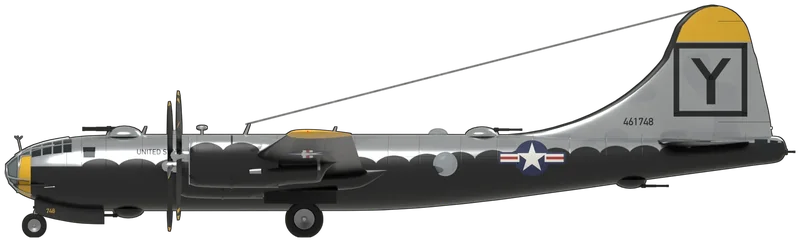
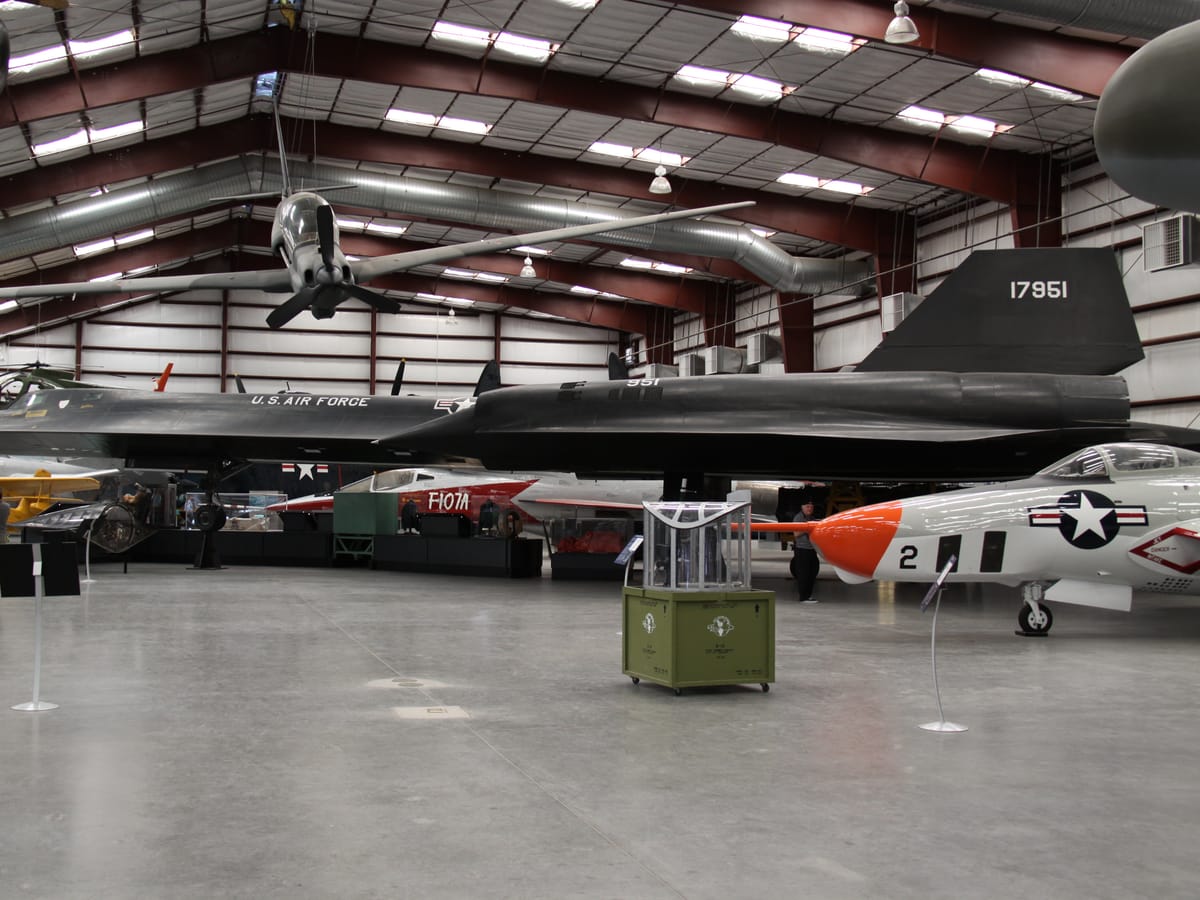
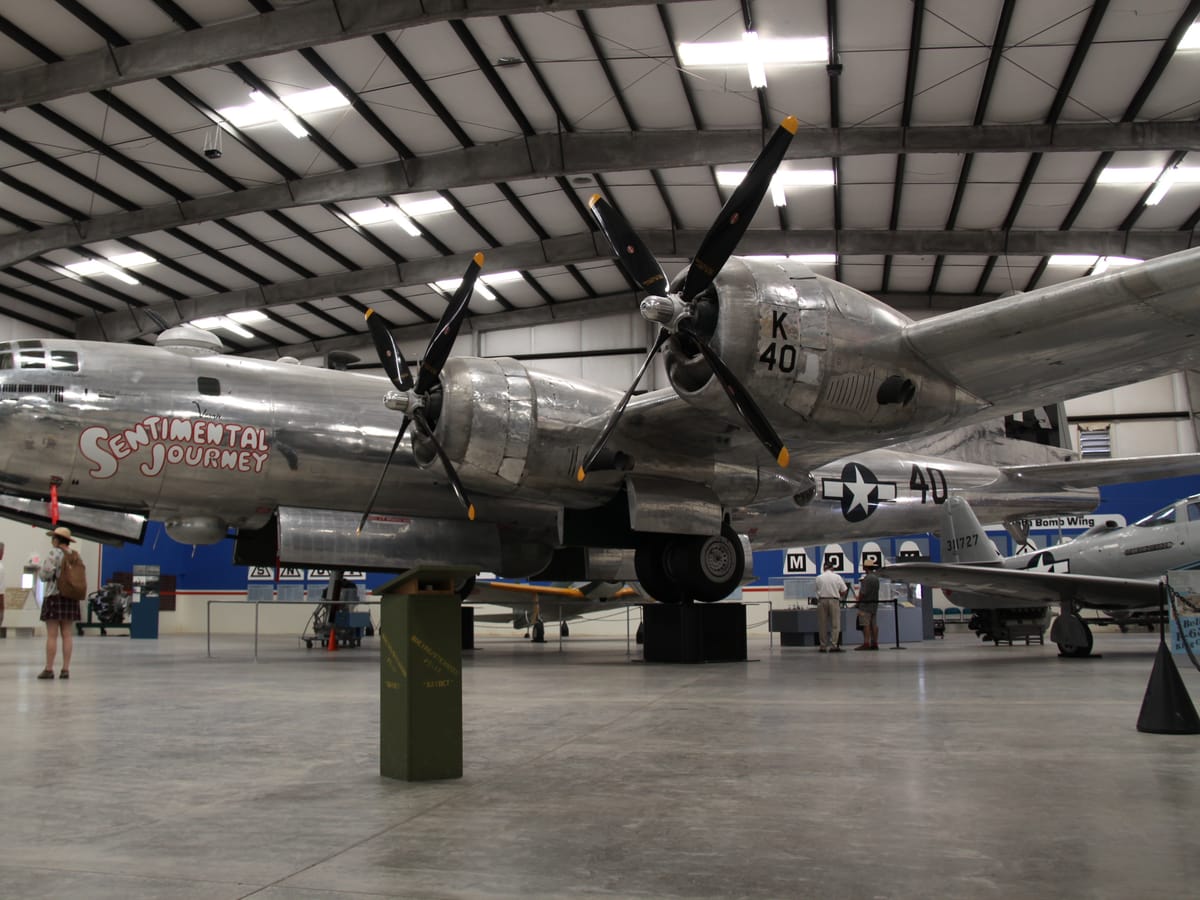
Buildings followed slowly. A shelter for restoration work went up in 1978; Hangar One, now the Main Hangar, was completed early in 1982 and has since been enlarged in 2006 and 2010. That year the museum also entered a partnership with the 390th Bomb Group Memorial Museum Foundation, whose museum opened on the grounds in 1984 and is run separately by the group's veterans and descendants around Boeing B-17G 44-85828. Hangar Two (offices, library, archives and the Arizona Aviation Hall of Fame) came in 1987, a restoration hangar in 1990, Hangar Three for the Liberator in 1992 and Hangar Four, built around B-29 44-70016, in 1994. Meanwhile the same foundation, now the Arizona Aerospace Foundation, took on the Titan II silo near Green Valley, deactivated on 11 November 1982, which opened as the Titan Missile Museum in May 1986.
The collection then grew in size and ambition. Boeing gave the second 787 prototype, ZA002, in 2015; Orbis presented its DC-10 Flying Eye Hospital in 2016; General Electric donated 747 testbed N747GE in 2018; and NASA's SOFIA observatory, 747SP N747NA, flew in to Davis-Monthan on 13 December 2022. In 2021 the foundation acquired 77 acres for what is now the Tucson Military Vehicle Museum. The most theatrical arrival was the Martin JRM-1 Philippine Mars, acquired in 2024, flown from Vancouver Island to Lake Pleasant, dismantled and trucked in, reaching the site on 16 May 2025 for reassembly.
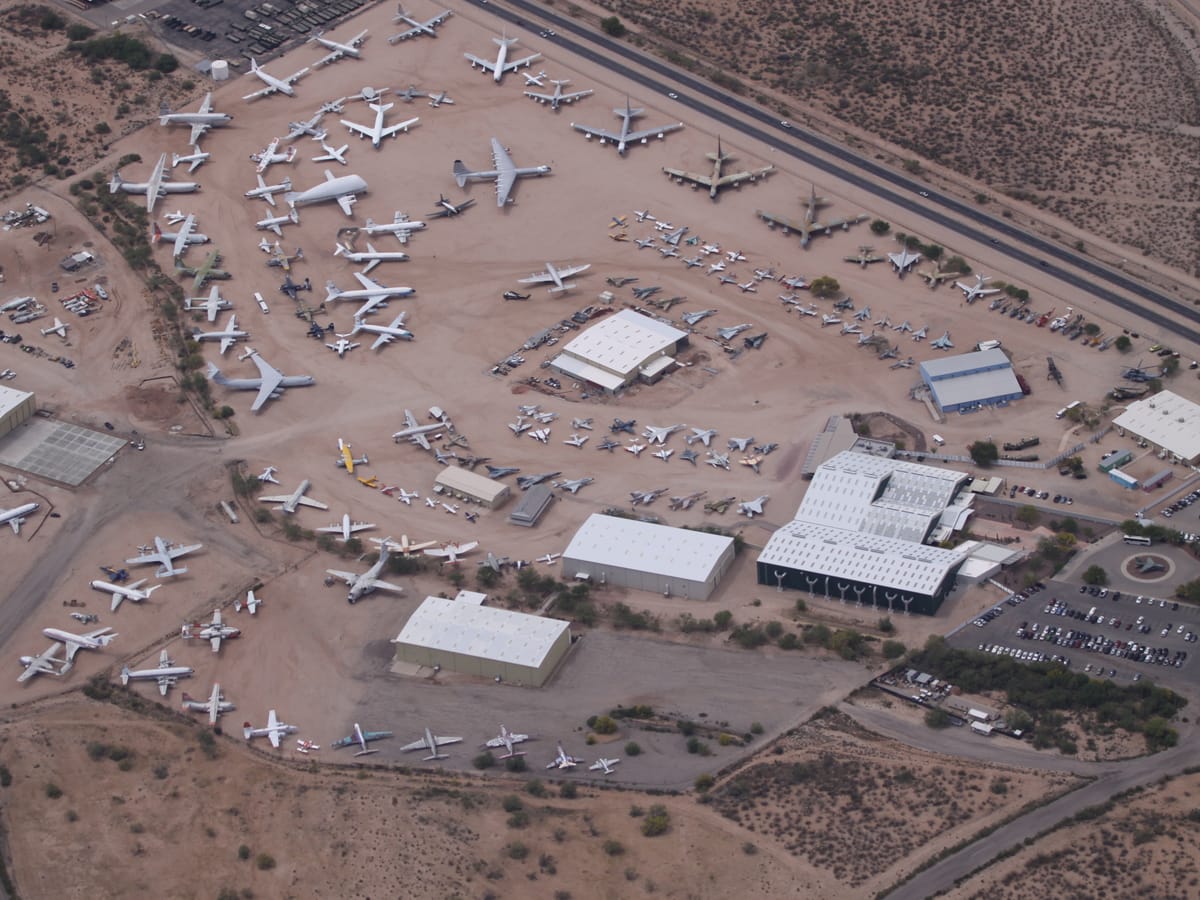
The neighbour has always shaped the place. MASDC became today's 309th Aerospace Maintenance and Regeneration Group, the 'Boneyard', and for years the museum ran bus tours into it. Those tours have now permanently ended, the museum citing changes in US Air Force security considerations, so the public view of AMARG is from the perimeter road. Inside the fence, however, the museum itself now claims about 400 aircraft — over 425 by one count on its own site — across 80 acres and six display hangars, from a Wright Flyer replica to a 787.