Every year Flight International tries to count every military aircraft in the world. Its 2026 directory, compiled by Craig Hoyle with data from the analytics company Cirium, finds 52,231 aircraft in active use with 161 nations, down 411 on the year before. Aircraft in storage, on VIP duty, flying research or display work are left out, so these are the aircraft each country could actually send.
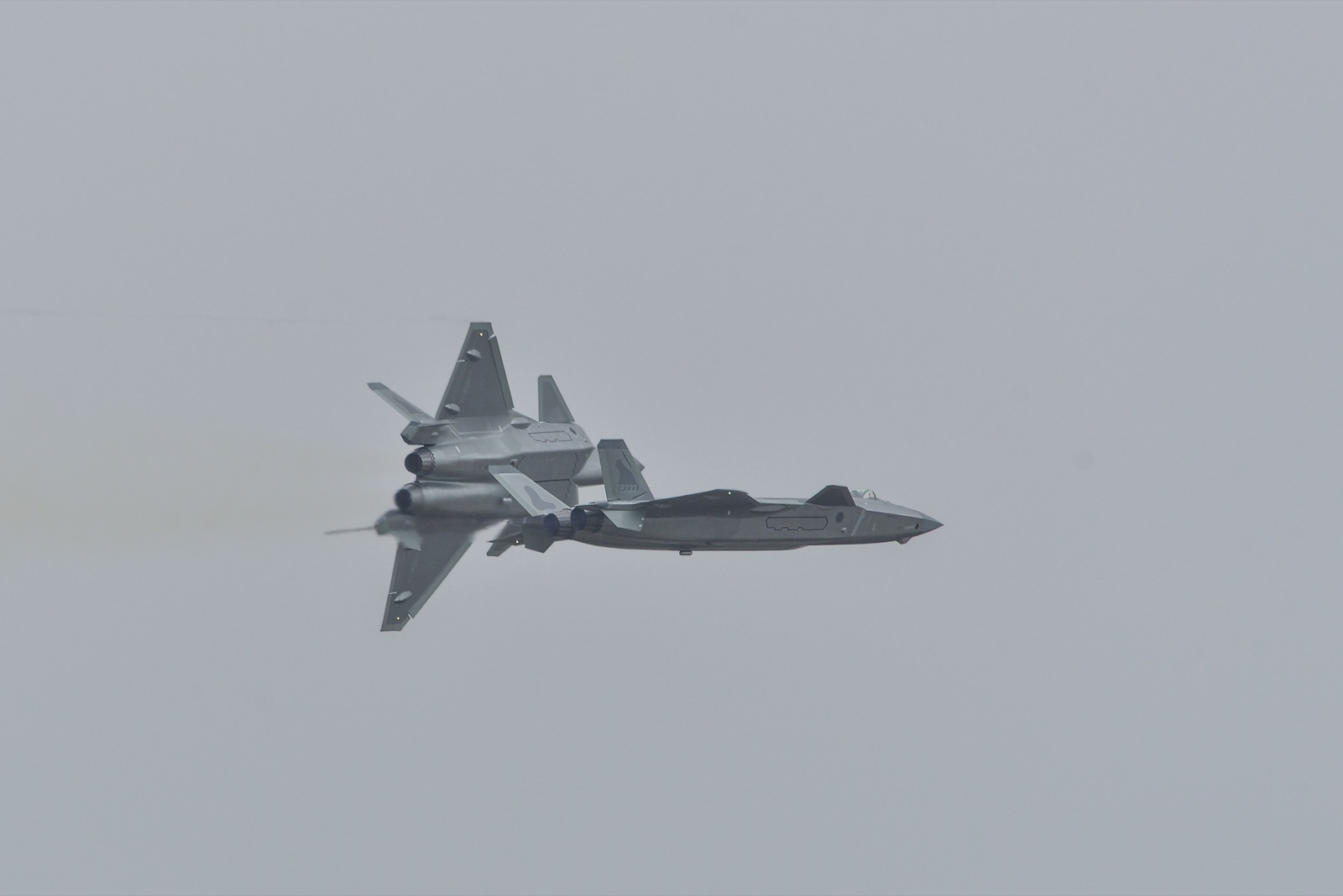
The year’s biggest change was a disappearance. When the Assad regime fell in December 2024, Israeli and US air strikes destroyed the Syrian air force on the ground to keep it out of the wrong hands, and all 414 of its aircraft have been deleted. Against that, FlightGlobal raised its estimate of China’s J-20 stealth fighters from 19 to 250. Counts for Russian types hit by Ukraine’s drones are, it warns, ‘likely to be higher than reality’.
The league table
Ten countries own three-fifths of the world’s air power
The ten largest military fleets
aircraft= 500 aircraft
- United States13,033
- Russialikely overstated: war losses are hard to verify4,237
- Chinastill more than 400 J-7s, its copy of the MiG-213,529
- India2,183
- South Korea1,540
- Japan1,429
- Pakistan1,397
- Turkey1,101
- Egypt1,088
- France973
Each icon is a type that nation flies in 2026: Flankers for Russia and India, F-16s for Turkey and Egypt, Rafales for France, J-7s (Chinese MiG-21s) for China.
Source FlightGlobal, World Air Forces 2026 (Cirium data, 1 October 2025)
Its total of 13,033 aircraft is more than the combined strength of second- to sixth-ranked Russia, China, India, South Korea and Japan.
Craig Hoyle, FlightGlobal, World Air Forces 2026
Share of the world’s 52,231 military aircraft
aircraft- 25% United States 13,033
- 8% Russia 4,237
- 7% China 3,529
- 4% India 2,183
- 3% South Korea 1,540
- 3% Japan 1,429
- 3% Pakistan 1,397
- 2% Turkey 1,101
- 2% Egypt 1,088
- 2% France 973
- 42% The other 151 nations 21,721
Source FlightGlobal, World Air Forces 2026 (Cirium data, 1 October 2025)
By region
aircraftSource FlightGlobal, World Air Forces 2026 (Cirium data, 1 October 2025)
The top twenty, by role
| 1 | United States | 13,033 | 2,718 | 611 | 610 | 917 | 5,567 | 2,610 |
| 2 | Russia | 4,237 | 1,559 | 137 | 18 | 458 | 1,535 | 530 |
| 3 | China | 3,529 | 1,814 | 105 | 9 | 287 | 913 | 401 |
| 4 | India | 2,183 | 600 | 72 | 6 | 277 | 894 | 334 |
| 5 | South Korea | 1,540 | 340 | 35 | 4 | 40 | 786 | 335 |
| 6 | Japan | 1,429 | 264 | 135 | 10 | 53 | 568 | 399 |
| 7 | Pakistan | 1,397 | 421 | 27 | 4 | 63 | 319 | 563 |
| 8 | Turkey | 1,101 | 201 | 27 | 7 | 84 | 481 | 301 |
| 9 | Egypt | 1,088 | 332 | 11 | 0 | 53 | 348 | 344 |
| 10 | France | 973 | 223 | 44 | 15 | 118 | 434 | 140 |
| 11 | Saudi Arabia | 917 | 364 | 16 | 22 | 49 | 264 | 202 |
| 12 | North Korea | 837 | 455 | 0 | 0 | 1 | 205 | 176 |
| 13 | Taiwan | 720 | 258 | 18 | 0 | 19 | 210 | 215 |
| 14 | Italy | 714 | 153 | 22 | 8 | 31 | 348 | 152 |
| 15 | United Kingdom | 625 | 141 | 29 | 9 | 30 | 215 | 201 |
| 16 | Algeria | 620 | 153 | 10 | 4 | 63 | 300 | 90 |
| 17 | Israel | 597 | 284 | 19 | 13 | 14 | 119 | 148 |
| 18 | UAE | 581 | 139 | 27 | 5 | 35 | 224 | 151 |
| 19 | Germany | 569 | 190 | 27 | 3 | 55 | 278 | 16 |
| 20 | Greece | 560 | 178 | 8 | 0 | 17 | 271 | 86 |
| Totals for ranks 1–10 are FlightGlobal’s published figures; the rest, and all role splits, are summed by the Gazetteer from the directory’s country listings (France’s role figures sum to 974). ‘Helicopters’ is FlightGlobal’s ‘combat helicopter’ category, which covers all military helicopters except trainers. | ||||||||
Source FlightGlobal, World Air Forces 2026 (Cirium data, 1 October 2025)
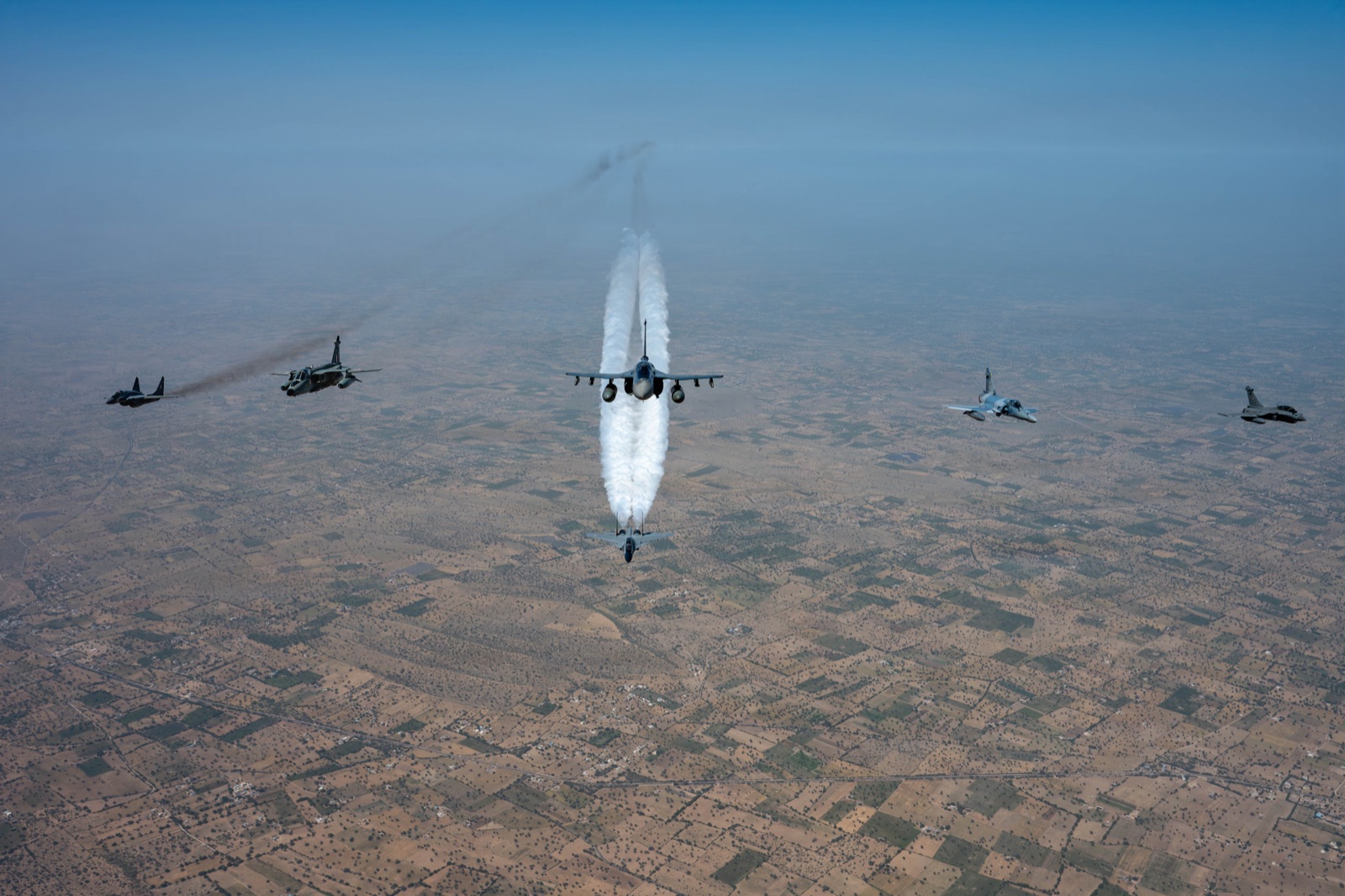
- MiG-29UPG: Russian design, upgraded for India
- Jaguar: Anglo-French, built under licence by HAL. India is the last nation flying it, with 153
- HAL Tejas: India’s own light fighter, leading; 97 more Tejas Mk1A ordered in 2025
- Rafale: one of 35 in Indian service; FlightGlobal counts one lost in the May 2025 clash with Pakistan
Fighting jets
14,074 combat aircraft, and who has them
Combat aircraft by country
combat aircraftTop ten as published; 11th onwards summed from the country listings. Combat aircraft include fighters, bombers, attack aircraft and armed jet trainers in front-line units.
Source FlightGlobal, World Air Forces 2026 (Cirium data, 1 October 2025)
The ten most numerous combat types
aircraft= 100 aircraft
- Lockheed Martin F-162,732 counting trainers2,102
- Sukhoi Su-27/30/34/35 ‘Flanker’ family1,299
- McDonnell Douglas/Boeing F-15897
- Lockheed Martin F-35883
- Boeing F/A-18 Hornet and Super Hornet874
- Mikoyan MiG-29728
- Chengdu J-7/F-7 (Chinese MiG-21)649
- Eurofighter Typhoon528
- Sukhoi Su-24383
- Sukhoi Su-25371
Source FlightGlobal, World Air Forces 2026 (Cirium data, 1 October 2025)
Europe’s rival fighters: Typhoon and Rafale
Eurofighter Typhoon
Dassault Rafale
- 16 mLength15 m
- 11 mWingspan11 m
- 11,000 kgEmpty weight10,300 kg
- 23,500 kgMaximum take-off weight24,500 kg
- 90 kNThrust per engine, with reheat75 kN
- 528In front-line service, 2026281
- 9Nations flying it, 20266
Verdict The Typhoon has the numbers and the thrust; the Rafale has the carrier version and the export momentum, with Indonesia, Serbia and the UAE waiting for deliveries.
Source Specifications: Eurofighter, Dassault and RAF data via Wikipedia (Rafale B empty weight); fleets: FlightGlobal World Air Forces 2026 (country listings summed)
Typhoon and Rafale fleets by nation
| Germany | Typhoon | 127 |
| United Kingdom | Typhoon | 103 |
| Italy | Typhoon | 88 |
| Saudi Arabia | Typhoon | 72 |
| Spain | Typhoon | 67 |
| Qatar | Typhoon | 24 |
| Kuwait | Typhoon | 20 |
| Austria | Typhoon | 15 |
| Oman | Typhoon | 12 |
| France | Rafale | 146 |
| Qatar | Rafale | 36 |
| India | Rafale | 35 |
| Egypt | Rafale | 28 |
| Greece | Rafale | 24 |
| Croatia | Rafale | 12 |
| Summed from FlightGlobal’s country listings (combat-aircraft category). Turkey (20 Typhoons) and Indonesia, Serbia and the UAE (Rafale) have aircraft on order. | ||
Source FlightGlobal, World Air Forces 2026 (Cirium data, 1 October 2025)
The F-35 club
Twenty-one nations and counting
Source FlightGlobal, World Air Forces 2026 (Cirium data, 1 October 2025)
F-35 operators and customers
| United States | 497 | 186 | 55 | 1,661 | A, B, C |
| Australia | 71 | 1 | 0 | 28 | A |
| Japan | 47 | 0 | 1 | 98 | A, B |
| Israel | 45 | 0 | 0 | 30 | I (A) |
| Norway | 43 | 8 | 0 | 0 | A |
| United Kingdom | 38 | 0 | 2 | 97 | B (A ordered 2025) |
| Netherlands | 38 | 8 | 0 | 12 | A |
| South Korea | 38 | 2 | 0 | 20 | A |
| Italy | 35 | 3 | 8 | 46 | A, B |
| Denmark | 19 | 1 | 7 | 16 | A |
| Belgium | 12 | 0 | 0 | 22 | A |
| Poland | 0 | 3 | 1 | 28 | A |
| Canada | 0 | 0 | 16 | 72 | A |
| Finland | 0 | 0 | 8 | 56 | A |
| Singapore | 0 | 0 | 12 | 8 | A, B |
| Switzerland | 0 | 0 | 36 | 0 | A |
| Germany | 0 | 0 | 0 | 35 | A |
| Greece | 0 | 0 | 0 | 40 | A |
| Romania | 0 | 0 | 0 | 32 | A |
| Czech Republic | 0 | 0 | 0 | 24 | A |
| United Arab Emirates | 0 | 0 | 0 | 50 | A |
| FlightGlobal’s ‘Ordered’ column separates firm orders from letters of intent and options (marked *). Its classification does not always match the customer’s: Germany’s 35 F-35As, for example, are a signed contract. The UAE deal has been suspended since 2021. Israel’s figure is its F-35I ‘Adir’. | |||||
Source FlightGlobal, World Air Forces 2026 (Cirium data, 1 October 2025)
F-35s in combat units, outside the United States
aircraftThe MoD counted 47 UK Lightnings on 1 April 2026, including aircraft in training and test units.
Source FlightGlobal, World Air Forces 2026 (Cirium data, 1 October 2025)
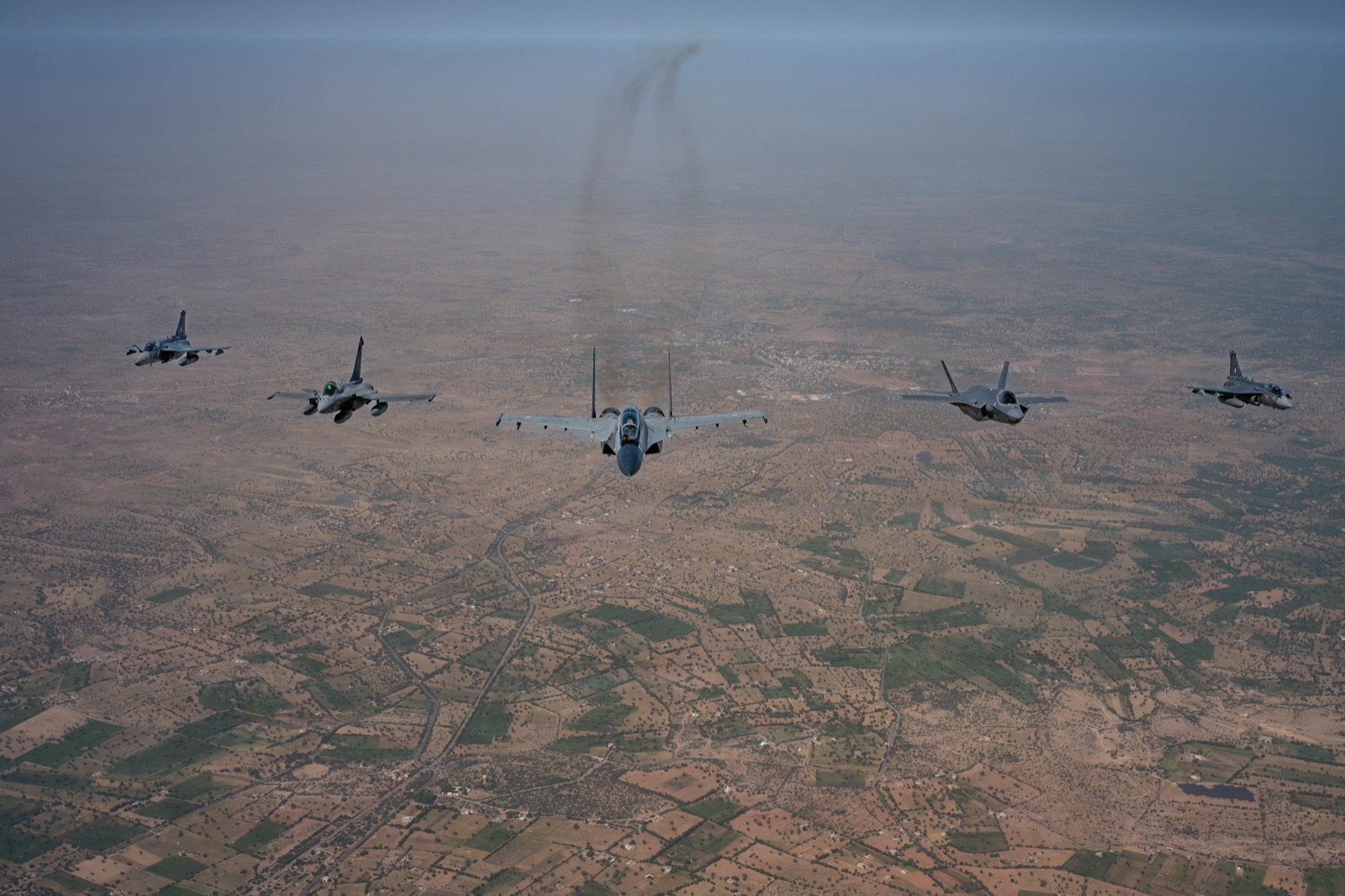
- HAL Tejas, Indian Air Force
- Rafale B, French Air and Space Force: France flies 146
- Su-30MKI, leading: India’s 265 Flankers make it the third-largest Flanker operator
- F-35A of the USAF’s 13th Fighter Squadron from Misawa, Japan
Lift, fuel and rotors
The aircraft that make the fighters useful
The ten most numerous military helicopters
helicoptersOf 20,149 military helicopters in all, excluding trainers.
Source FlightGlobal, World Air Forces 2026 (Cirium data, 1 October 2025)
Helicopter fleets by country
helicoptersSource FlightGlobal, World Air Forces 2026 (Cirium data, 1 October 2025)
Who owns the world’s 810 tankers
tankers- 75% United States 610
- 3% Saudi Arabia 22
- 2% Russia 18
- 2% France 15
- 2% Israel 13
- 1% Singapore 11
- 1% Japan 10
- 1% China 9
- 1% United Kingdom 9
- 1.0% Italy 8
- 10% Everyone else 85
Source FlightGlobal, World Air Forces 2026 (Cirium data, 1 October 2025)
Tankers by type
tankersSource FlightGlobal, World Air Forces 2026 (Cirium data, 1 October 2025)
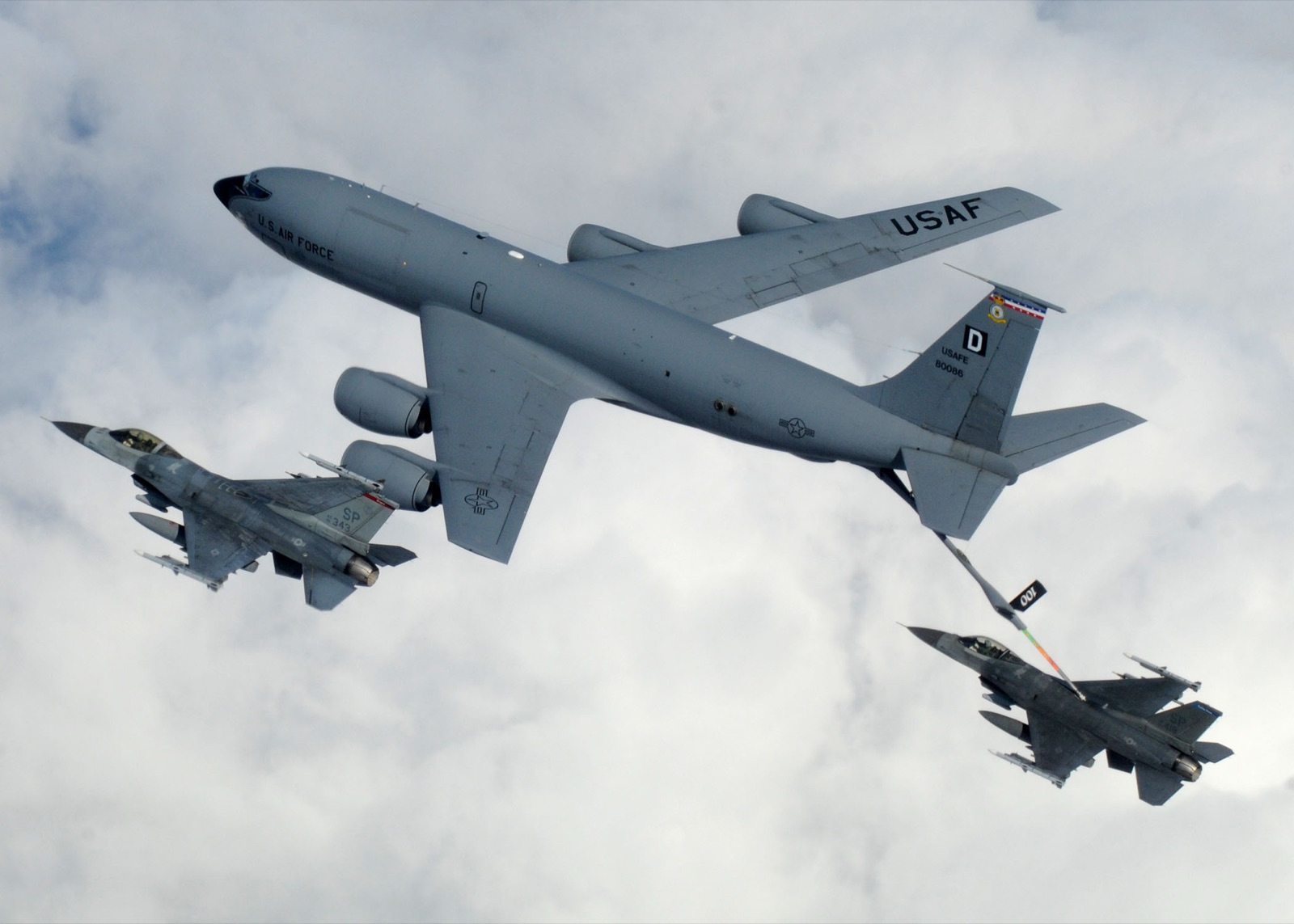
- The flying boom, ‘flown’ by an operator lying prone in the tail, with its fuel tube extended
- F-16 taking fuel through a receptacle behind its cockpit. It has no probe, so it can only refuel from boom tankers
- ‘Box D’ tail: the 100th Air Refueling Wing keeps its Second World War bomb-group marking
- The second F-16 waits its turn
The airlifters: top ten transport types
aircraftOf 4,280 transports in all. C-17s and Hercules flown as tankers or gunships are counted in those roles.
Source FlightGlobal, World Air Forces 2026 (Cirium data, 1 October 2025)
Where pilots learn: top training types
aircraftSource FlightGlobal, World Air Forces 2026 (Cirium data, 1 October 2025)
Europe compared
Twenty-one air arms, one continent
European military fleets, 2026
| Turkey | 1,101 | 201 | 27 | 7 | 84 | 481 | 301 |
| France | 973 | 223 | 44 | 15 | 118 | 434 | 140 |
| Italy | 714 | 153 | 22 | 8 | 31 | 348 | 152 |
| United Kingdom | 625 | 141 | 29 | 9 | 30 | 215 | 201 |
| Germany | 569 | 190 | 27 | 3 | 55 | 278 | 16 |
| Greece | 560 | 178 | 8 | 0 | 17 | 271 | 86 |
| Poland | 457 | 70 | 11 | 0 | 49 | 215 | 112 |
| Spain | 440 | 148 | 8 | 1 | 51 | 124 | 108 |
| Ukraine | 347 | 118 | 5 | 0 | 24 | 128 | 72 |
| Sweden | 172 | 73 | 3 | 1 | 6 | 53 | 36 |
| Finland | 162 | 53 | 1 | 0 | 11 | 20 | 77 |
| Romania | 148 | 29 | 2 | 0 | 13 | 60 | 44 |
| Switzerland | 141 | 40 | 3 | 0 | 16 | 39 | 43 |
| Netherlands | 130 | 38 | 0 | 0 | 4 | 67 | 21 |
| Denmark | 122 | 45 | 3 | 0 | 4 | 34 | 36 |
| Norway | 109 | 43 | 5 | 0 | 4 | 34 | 23 |
| Belgium | 104 | 56 | 0 | 0 | 7 | 14 | 27 |
| Czech Republic | 103 | 28 | 2 | 0 | 10 | 42 | 21 |
| Austria | 90 | 15 | 0 | 0 | 11 | 41 | 23 |
| Portugal | 85 | 21 | 9 | 0 | 14 | 26 | 15 |
| Hungary | 80 | 12 | 0 | 0 | 3 | 48 | 17 |
| Summed by the Gazetteer from FlightGlobal’s country listings; France’s total is FlightGlobal’s published 973. Ukraine’s figures exclude donated Mirage 2000-5s. Germany trains most of its jet pilots in the United States, hence only 16 trainers at home; Germany, the Netherlands and Norway share nine NATO-owned A330 tankers (the Multinational MRTT Fleet) with Belgium, Luxembourg and the Czech Republic; they are listed separately. | |||||||
Source FlightGlobal, World Air Forces 2026 (Cirium data, 1 October 2025)
What Europe’s combat fleets are made of
combat aircraft- Typhoon
- Rafale
- F-35
- F-16
- Mirage 2000
- Tornado
- F/A-18
- Gripen
- Other
- 14677
- 15348
- 12763
- 241132417
- 883519
- 6769
- 10338
- 2593
- 73
- 3535
- 44
- 53
- 1926
- 43
- 38
‘Other’: Turkey’s and Greece’s F-4E Phantoms, Italy’s and Spain’s AV-8B Harriers, Poland’s MiG-29s and FA-50s, Ukraine’s MiG-29s, Su-24s, Su-25s and Su-27s.
Source FlightGlobal, World Air Forces 2026 (Cirium data, 1 October 2025)
Europe is in the middle of the largest fighter replacement since the 1950s. Norway and the Netherlands have already become all-F-35 air forces; Belgium and Denmark are halfway there, and Germany, Finland, Poland, Romania, the Czech Republic, Greece and Switzerland have all signed up for the type. The Typhoon and Rafale keep their home markets, and Sweden fielded the first two of 60 Gripen Es in October 2025. The Tornado, Europe’s standard strike aircraft for forty years, survives only in Germany and Italy.
Old soldiers
Types the RAF and its contemporaries retired, still flying elsewhere
Still serving in 2026, to scale
drawn to one scale-
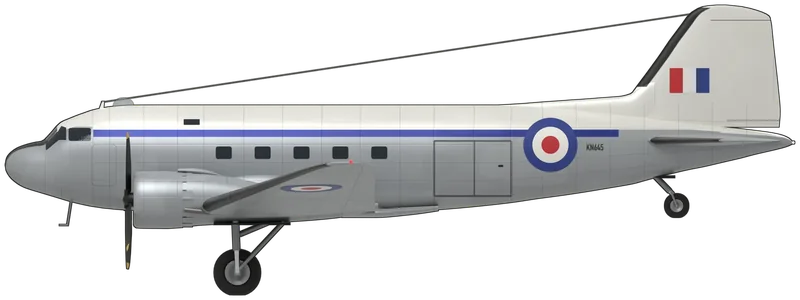 Dakota (17, as BT-67 and C-47) 19.7 m · Thailand and Colombia fly turboprop conversions
 -
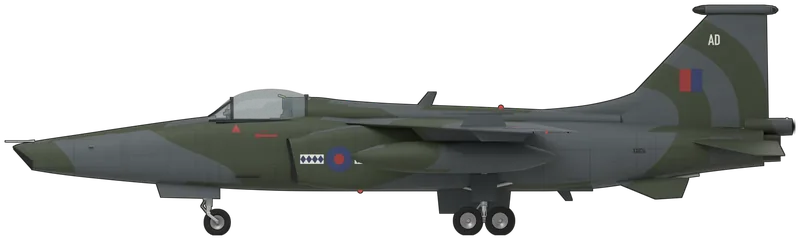 Jaguar (153: India only) 16.8 m
 -
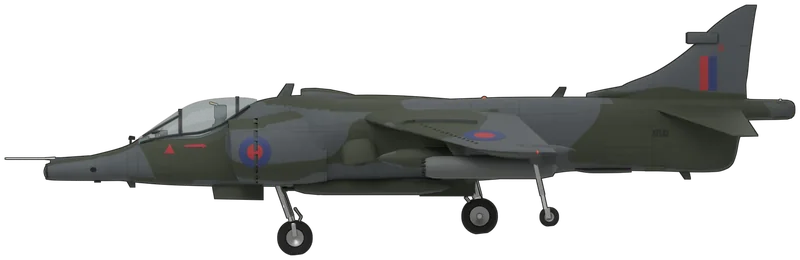 Harrier II (114: USMC, Spain, Italy) 14.3 m · AV-8B dimensions
 -
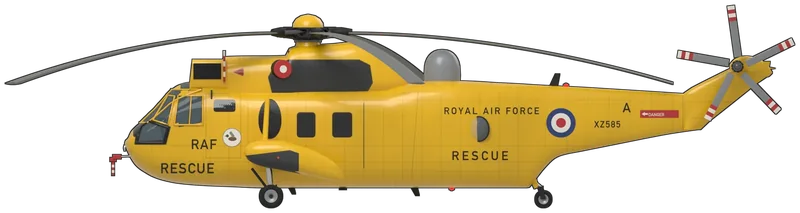 Sea King family (106) 22.2 m · length with rotors turning; span is rotor diameter
 -
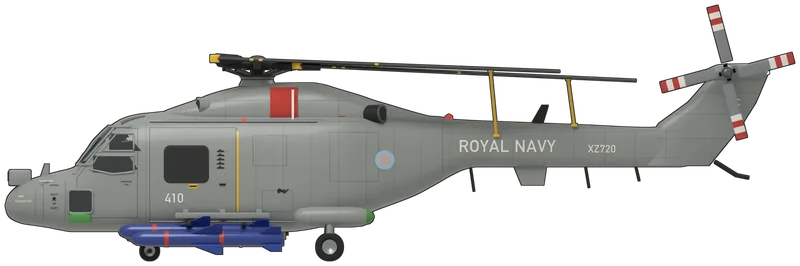 Lynx (89) 15.2 m · rotors turning
 -
 Gazelle (323) 12.0 m · rotors turning
 -
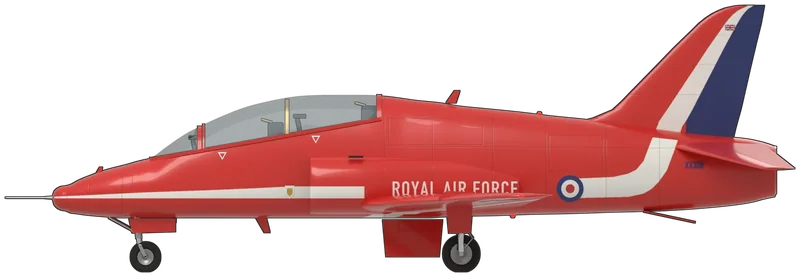 BAE Hawk 11.2 m
 -
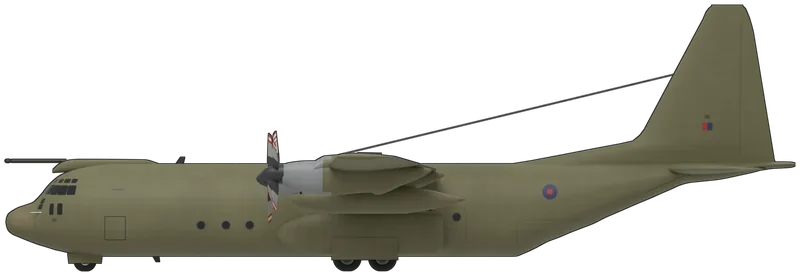 C-130 Hercules 34.4 m
 -
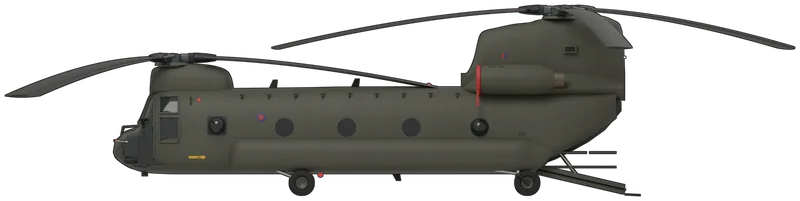 CH-47 Chinook 15.5 m
 -
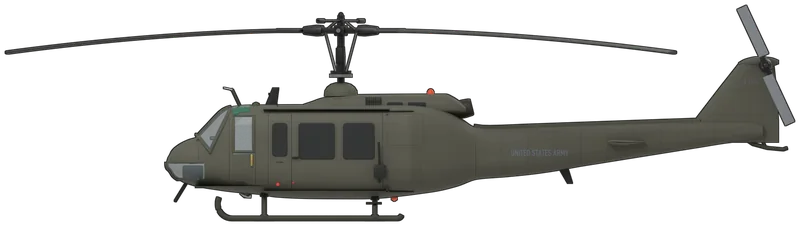 UH-1 Huey 17.4 m
 -
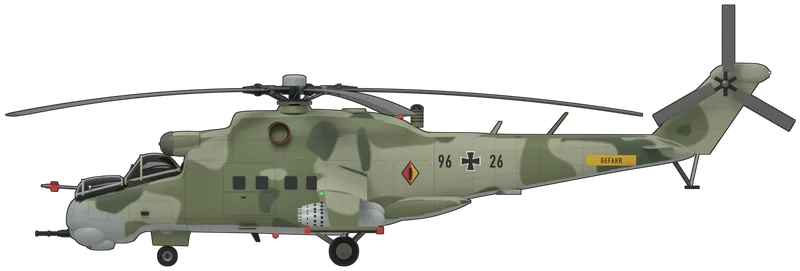 Mi-24 Hind 17.5 m
 -
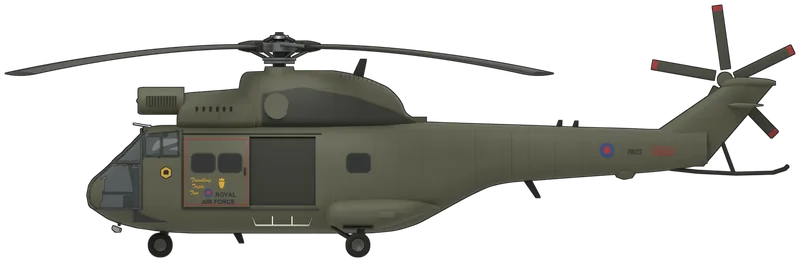 Puma 18.2 m
 -
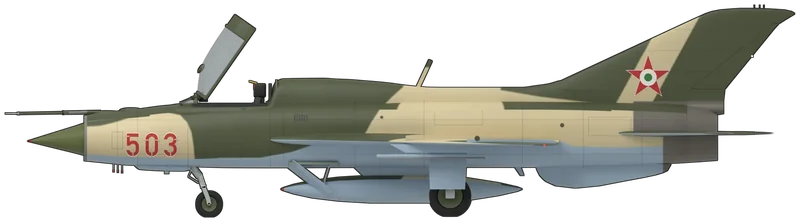 MiG-21 14.9 m
Each type here still serves with at least one air force in 2026, though the RAF retired the Jaguar in 2007 and the Harrier in 2010.
Veterans still flying somewhere, parked together
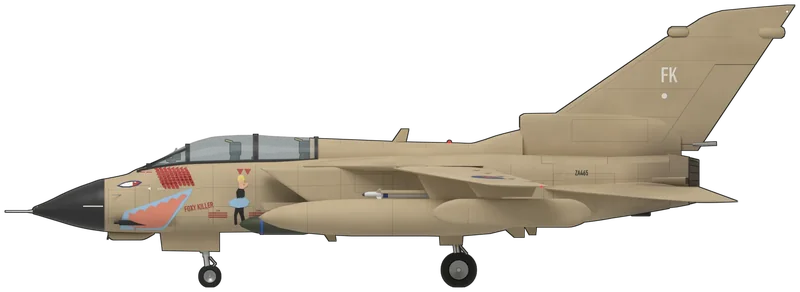
live 3D, true scale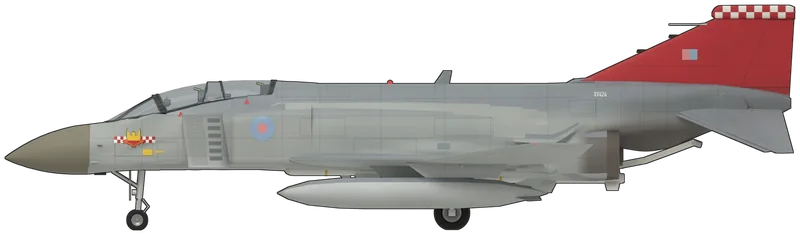
Drag to walk round · pinch or buttons to zoom
- Dakota 19.7 m long, 29.0 m span
- Phantom F-4E 17.6 m long, 11.7 m span
- Tornado 16.7 m long, 13.9 m span
- Jaguar 16.8 m long, 8.7 m span
- Harrier II 14.3 m long, 7.7 m span
- BAE Hawk 11.2 m long, 9.4 m span
- C-130 Hercules 34.4 m long, 40.4 m span
- CH-47 Chinook 15.5 m long, 18.3 m rotor
- UH-1 Huey 17.4 m long, 14.6 m rotor
- Mi-24 Hind 17.5 m long, 17.3 m rotor
The year in air power, December 2024 to October 2026
Assad falls; Syria’s 414 aircraft destroyed or abandoned
414Greece completes its fleet of 24 Rafales
24USAF picks Boeing’s F-47 to replace the F-22; at least 185 expected
185Qatar completes its 48 F-15QAs
48India–Pakistan air clash; J-10Cs fire PL-15 missiles at Indian jets
Ukraine’s ‘Spider Web’ drones hit Russian bombers on their bases
Operation Midnight Hammer: seven B-2s strike Iran’s nuclear sites
7UK orders 12 F-35As and rejoins NATO’s nuclear mission
12Sweden fields its first Gripen Es; Germany and Turkey each order 20 Typhoons
FlightGlobal’s count: 52,231 aircraft in 161 nations
52,231Tarang Shakti 26 brings fighters from India, France and the US together over Rajasthan
Source FlightGlobal World Air Forces 2026; UK Government; US Air Force
Where to see the world’s front-line types in Britain
in British museums- BAe Hawk11 museums
South Wales Aviation Museum · National Museum Of Flight · Ulster Aviation Society (Maze Long Kesh) · Brooklands Museum · Boscombe Down Aviation Collection · Royal Air Force Museum Midlands · Yorkshire Air Museum · Morayvia · North East Land, Sea and Air Museums · South Yorkshire Aircraft Museum · Airworld Aviation Museum
- Panavia Tornado15 museums
Royal Air Force Museum London · IWM Duxford · Midland Air Museum · Yorkshire Air Museum · Solway Aviation Museum · South Wales Aviation Museum · National Museum Of Flight · Montrose Air Station Museum · Ulster Aviation Society (Maze Long Kesh) · RAF Air Defence Radar Museum · Boscombe Down Aviation Collection · Royal Air Force Museum Midlands · RAF Manston History Museum · North East Land, Sea and Air Museums · South Yorkshire Aircraft Museum
- SEPECAT Jaguar22 museums
Royal Air Force Museum London · RAF Air Defence Radar Museum · Bournemouth Aviation Museum · Boscombe Down Aviation Collection · Royal Air Force Museum Midlands · Newark Air Museum · Solway Aviation Museum · South Wales Aviation Museum · National Museum Of Flight · Montrose Air Station Museum · Morayvia · Ulster Aviation Society (Maze Long Kesh) · Norfolk and Suffolk Aviation Museum · Gatwick Aviation Museum · Yorkshire Air Museum · City of Norwich Aviation Museum · Bentwaters Cold War Museum · RAF Coltishall Heritage Centre · Farnborough Air Sciences Trust Museum · RAF Manston History Museum · East Midlands Aeropark · South Yorkshire Aircraft Museum
- McDonnell Douglas Phantom16 museums
Royal Air Force Museum London · IWM Duxford · Norfolk and Suffolk Aviation Museum · Tangmere Military Aviation Museum · Fleet Air Arm Museum · Midland Air Museum · Solway Aviation Museum · South Wales Aviation Museum · Ulster Aviation Society (Maze Long Kesh) · Royal Air Force Museum Midlands · National Museum Of Flight · Montrose Air Station Museum · Morayvia · City of Norwich Aviation Museum · Bentwaters Cold War Museum · British Phantom Group & Bristol Britannia XM496 (Kemble)
- Harrier family24 museums
Royal Air Force Museum London · IWM Duxford · Solent Sky · Gatwick Aviation Museum · Tangmere Military Aviation Museum · Fleet Air Arm Museum · Boscombe Down Aviation Collection · Aerospace Bristol · Royal Air Force Museum Midlands · Midland Air Museum · Newark Air Museum · Yorkshire Air Museum · South Wales Aviation Museum · Ulster Aviation Society (Maze Long Kesh) · Brooklands Museum · Solway Aviation Museum · National Museum Of Flight · City of Norwich Aviation Museum · Bentwaters Cold War Museum · Farnborough Air Sciences Trust Museum · Wings Aviation Museum · Hucknall Flight Test Museum · South Yorkshire Aircraft Museum · Airworld Aviation Museum
- Westland Sea King13 museums
Royal Air Force Museum London · IWM Duxford · Fleet Air Arm Museum · South Wales Aviation Museum · Morayvia · The Helicopter Museum · Solway Aviation Museum · Montrose Air Station Museum · Ulster Aviation Society (Maze Long Kesh) · Cornwall at War Museum, Davidstow · East Midlands Aeropark · North East Land, Sea and Air Museums · South Yorkshire Aircraft Museum
- Westland Lynx11 museums
Fleet Air Arm Museum · The Helicopter Museum · Newark Air Museum · South Wales Aviation Museum · Ulster Aviation Society (Maze Long Kesh) · IWM Duxford · Bournemouth Aviation Museum · Army Flying Museum · Farnborough Air Sciences Trust Museum · East Midlands Aeropark · South Yorkshire Aircraft Museum
Sources
- FlightGlobal, World Air Forces 2026 directory (Craig Hoyle; data partner Cirium), November 2025
- Hoyle, C., ‘How regime change in Syria affected our annual World Air Forces fleet review’, FlightGlobal, 14 November 2025
- FlightGlobal, World Air Forces 2025 directory
- Global Firepower 2026, as tabulated by Aviation A2Z (cross-check of country totals)
- Ministry of Defence, UK Armed Forces Equipment and Formations 2026
- UK Government, UK to purchase F-35As and join NATO nuclear mission (25 June 2025)
- Wikipedia, Eurofighter Typhoon (specifications)
- Wikipedia, Dassault Rafale (specifications)
- US Air Force imagery, Tarang Shakti 26 (October 2026), via Wikimedia Commons
- IISS, The Military Balance (series)
Photographs
- One air force, four countries of design: an Indian Air Force Tejas leads a MiG-2 — US Air Force photo by Airman 1st Class Nathaniel Jackson, Public domain · source
- Chengdu J-20s display at Zhuhai, November 2018. FlightGlobal now estimates 250 i — emperornie, CC BY-SA 2.0 · source
- Three nations, five fighters: an Indian Su-30MKI leads a US Air Force F-35A, a F — US Air Force photo by Airman 1st Class Nathaniel Jackson, Public domain · source
- A US Army UH-60 Black Hawk over Kosovo with the NATO KFOR mission, 12 May 2025. — US Army National Guard photo by Sgt Cheryl Madolev, Public domain · source
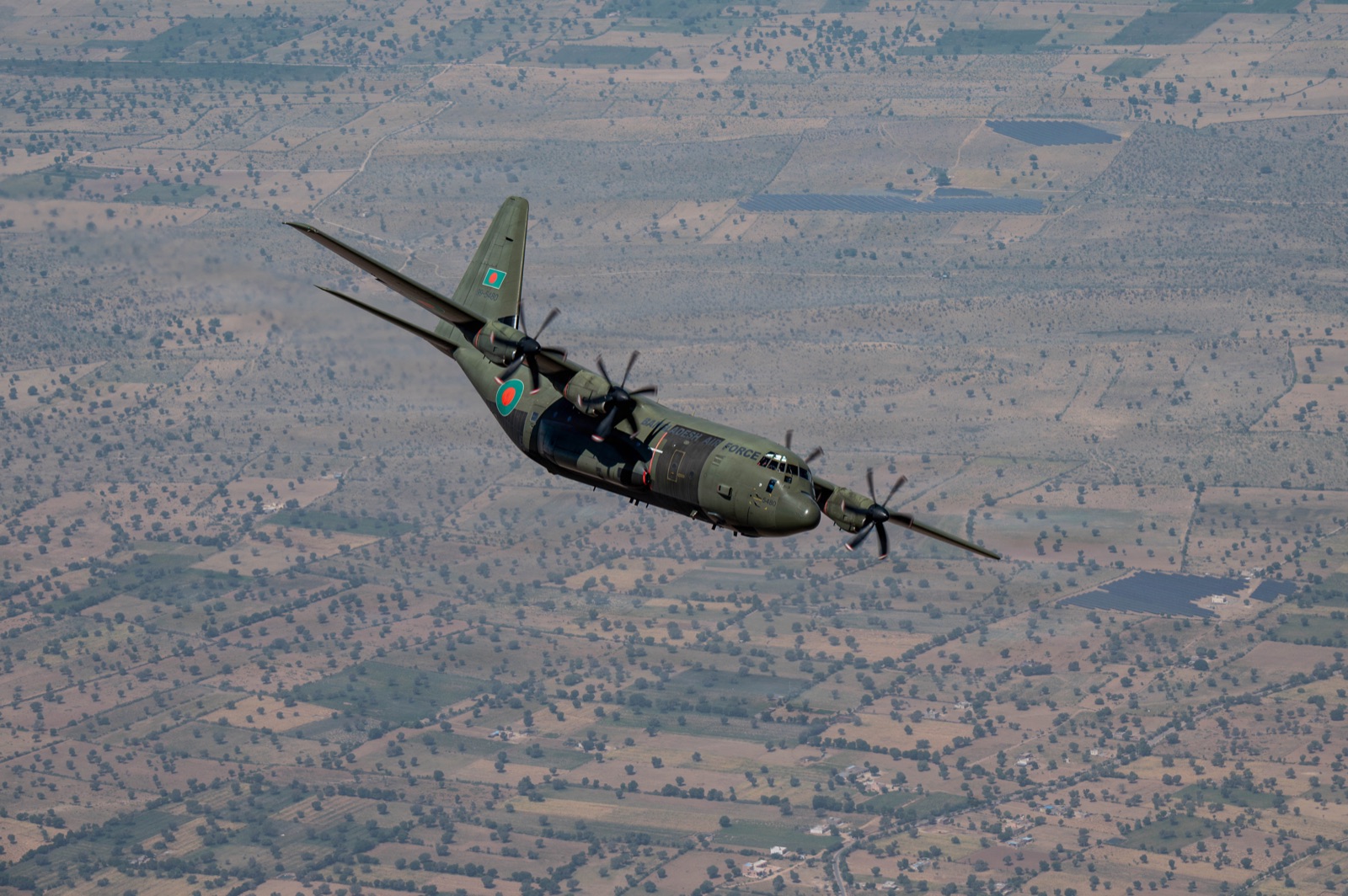
- A Bangladesh Air Force C-130J breaks formation over Jodhpur, 2 October 2026. 824 — US Air Force photo by Airman 1st Class Nathaniel Jackson, Public domain · source
- A KC-135 of the 100th Air Refueling Wing from RAF Mildenhall refuels F-16s from — US Air Force photo by SSgt Jerry Fleshman, Public domain · source
Figures are drawn from the sources above; where they disagree the most widely cited figure is used and the range is given in the notes. Side profiles and 3D models are the gazetteer’s own procedural models, drawn to scale from published dimensions. Spotted an error? Tell us.