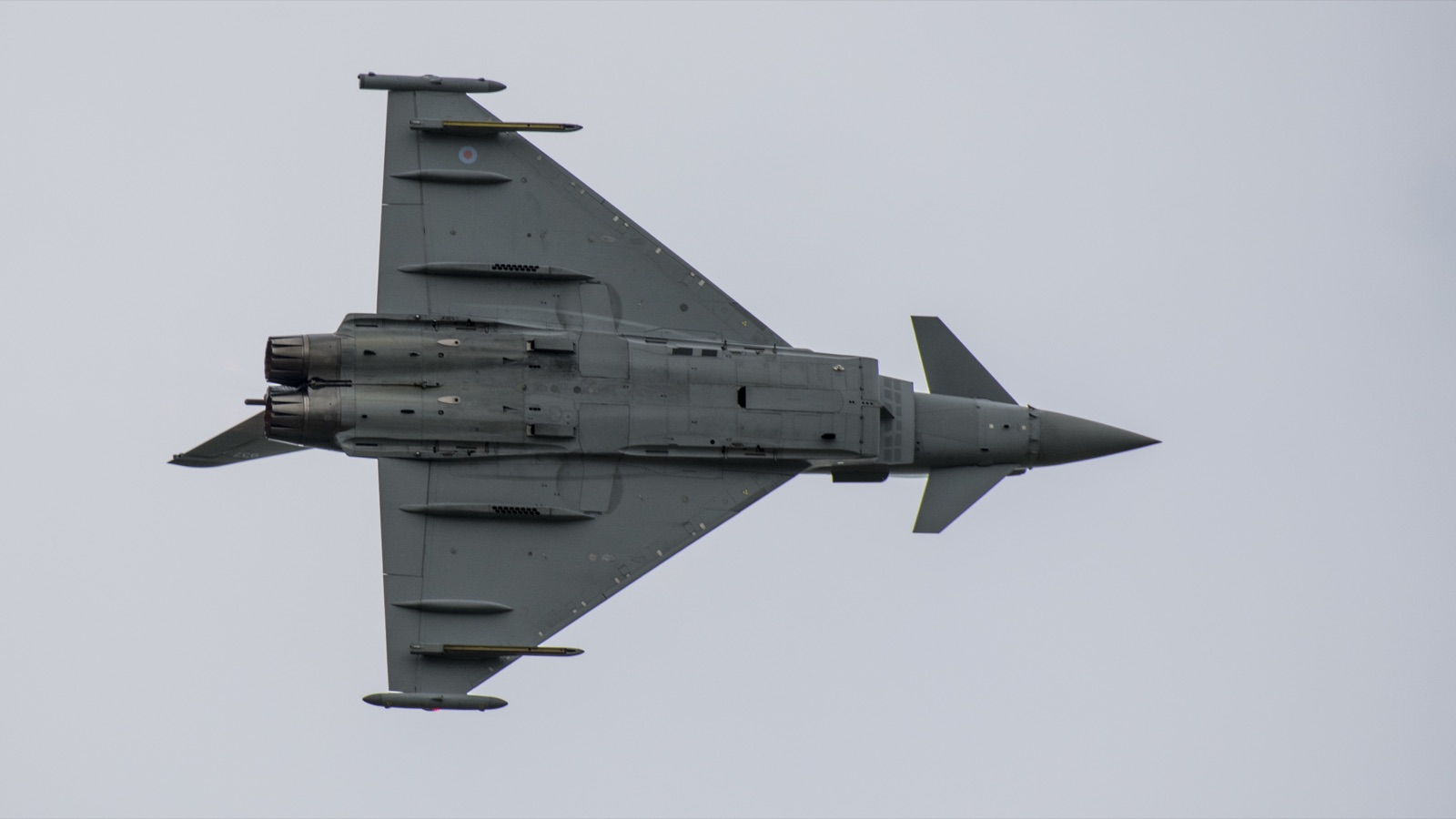
The Royal Air Force was formed on 1 April 1918 by merging the Royal Flying Corps and the Royal Naval Air Service. Seven months later it was the largest air force in the world, with 22,647 aircraft, 103 airships, 675 aerodromes and 291,170 officers and other ranks. Within sixteen months nine in ten of those people had gone home, and the service spent the next fifteen years arguing for its own existence.
This page follows the numbers through a century: the collapse after 1918, the rearmament schemes of the 1930s, the wartime peak of 1944, the long Cold War contraction, the sharper cuts after 1990 and the RAF of 2026, which has fewer regulars than at any time since the mid-1930s and only nine combat squadrons. Figures come from the RAF Museum’s chronology, the official histories and the Ministry of Defence’s own statistics. Where definitions change (regulars only, with or without reserves, establishment or actual) we say so.
Born big
November 1918: the largest air force on earth, and then almost nothing
Source RAF Museum, British Military Aviation in 1918 and 1920
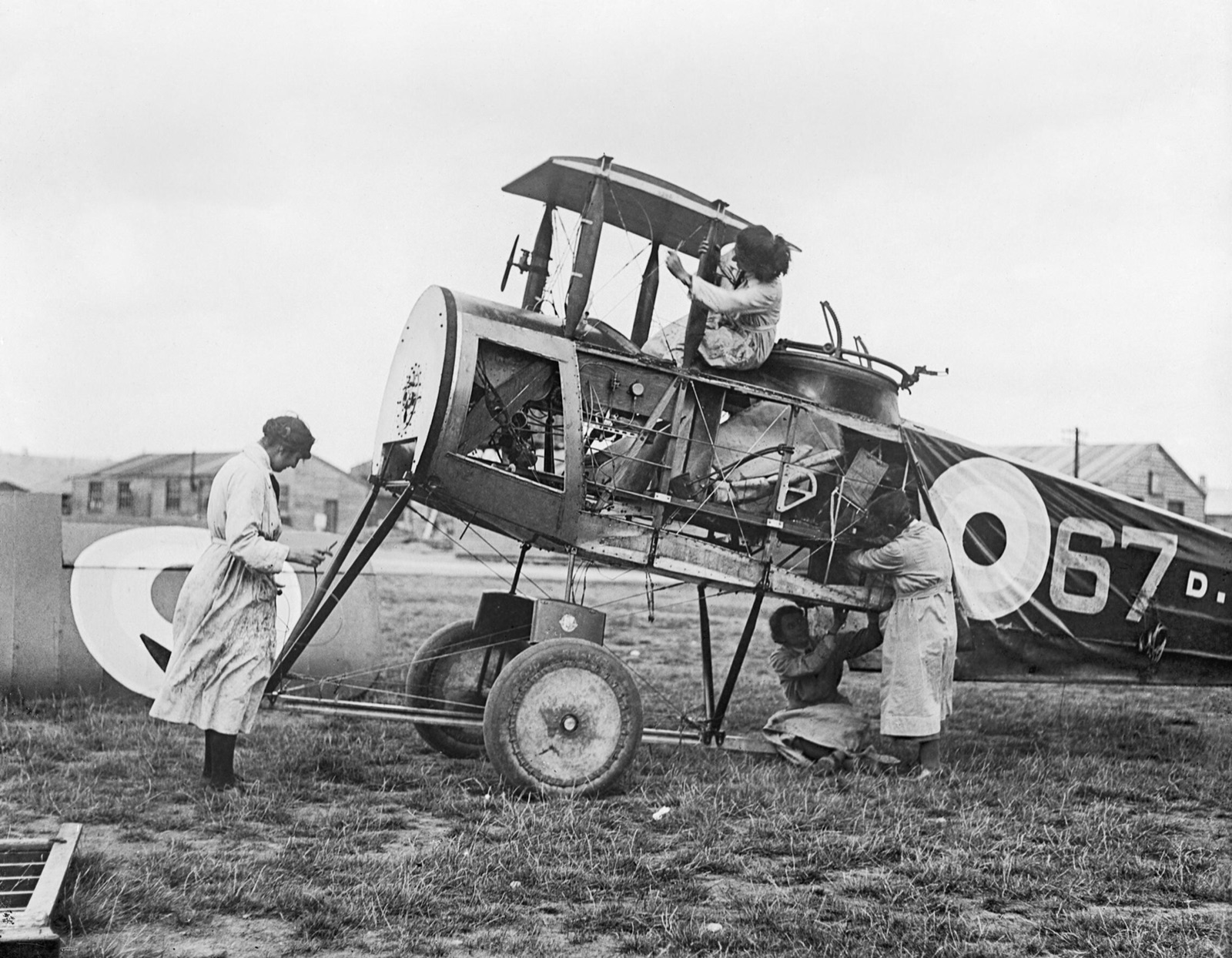
- A rigger working on the centre-section struts: the fabric has been stripped to expose the wire-braced fuselage
- A second mechanic kneels beneath the fuselage; the WRAF trained women as riggers, fitters and drivers
- National roundel and a serial beginning ‘D’, a 1917–18 allocation
- A detached wing panel propped against the hangar wall
The day may not be far off when aerial operations … may become the principal operations of war.
Lt-Gen Jan Smuts, report to the War Cabinet, 17 August 1917
Smuts’s report is why the RAF exists: it argued that air power needed an Air Ministry and a service of its own. The peace nearly undid it. Demobilisation took the RAF from 291,170 people to 29,730 in sixteen months. In 1923, alarmed by the French air force, Stanley Baldwin promised a Home Defence force of 52 squadrons (35 bomber, 17 fighter); it was not complete when the next, larger expansion began in 1934.
The curve
People in RAF blue, 1918–2026
RAF personnel, 1918–2026
people| Year | RAF personnel |
|---|---|
| 1918 | 291170 |
| 1920 | 29730 |
| 1934 | 30381 |
| 1939 | 175392 |
| 1944 | 1185833 |
| 1945 | 1079835 |
| 1952 | 270000 |
| 1960 | 163800 |
| 1970 | 108800 |
| 1981 | 91965 |
| 1990 | 89000 |
| 1997 | 57000 |
| 2010 | 44050 |
| 2021 | 32920 |
| 2026 | 31390 |
Definitions vary: wartime figures include the WAAF; post-war figures are regulars only (trained and untrained) and exclude reserves and civilians. The 2026 figure is UK regulars; total strength including reserves was 35,980.
Source RAF Museum timeline (1918, 1920, 1944); Wikipedia compilation of Air Ministry/MoD figures (1934–2021); DASA manning report, 1 April 2010; MoD Quarterly Service Personnel Statistics, 1 July 2026
People in RAF uniform at six moments
people= 30,000 people
- November 1918291,170
- September 1939175,392
- July 1944 (peak)including 174,406 women1,185,833
- 1952270,000
- July 199089,000
- July 202631,390
Source RAF Museum; MoD; Wikipedia compilation of official figures
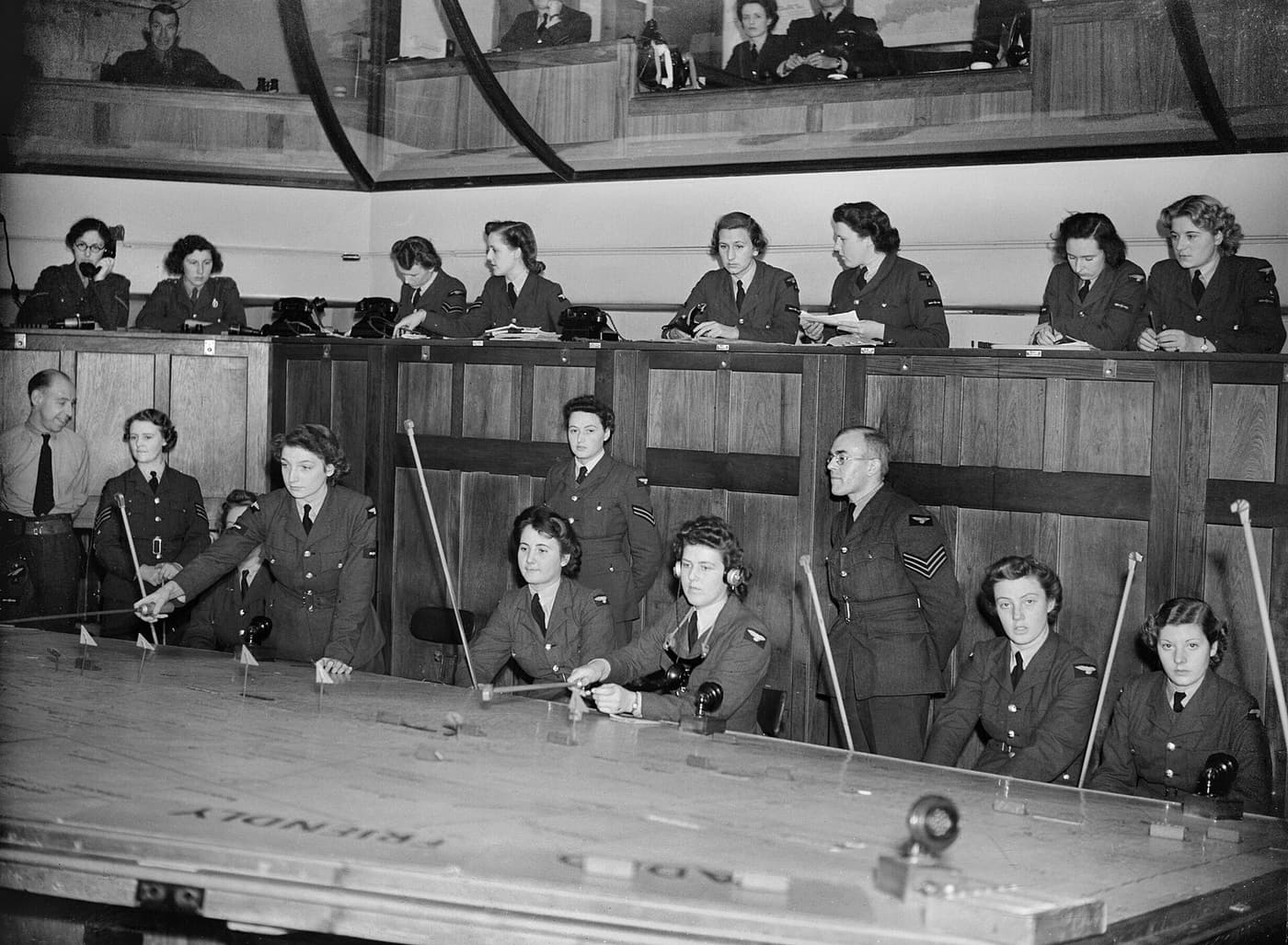
- The plotting table: raids were tracked with counters pushed by rake, this edge marked ‘FRIENDLY’
- A WAAF plotter with her rake. Women were 15 per cent of the RAF at the 1944 peak
- Headsets linked the plotters to the filter room and the Observer Corps
- Controllers in the glazed gallery decided which squadrons to scramble
Since 1952: the long contraction
people| Year | RAF regular strength |
|---|---|
| 1952 | 270000 |
| 1958 | 210000 |
| 1960 | 163800 |
| 1962 | 148000 |
| 1970 | 108800 |
| 1976 | 96300 |
| 1981 | 91965 |
| 1989 | 93100 |
| 1990 | 89000 |
| 1993 | 70000 |
| 1997 | 57000 |
| 2004 | 48900 |
| 2010 | 44050 |
| 2018 | 36960 |
| 2021 | 32920 |
| 2026 | 31390 |
Approximate and not always like-for-like; treat individual points as ±5 per cent.
Source Wikipedia, Personnel numbers in the Royal Air Force (compiling Air Ministry, MoD and Times figures); DASA, 1 April 2010; MoD QSPS, 1 July 2026
Squadrons and machines
From 188 squadrons to nine
RAF squadrons at key dates
squadronsSource RAF Museum timeline (1918, 1923, 1934, 1939); MoD, UK Armed Forces Equipment and Formations 2026, table 9
What the squadrons did: 1939 and 2026 compared
squadrons- Fighter and bomber
- Reconnaissance, ISR and C2
- Transport and tanker
- Training and conversion
- Army co-operation and torpedo
- 75%13%12%
- 21%19%14%47%
The 1939 count excludes flying training schools, which were not numbered squadrons; the 2026 count includes them.
Source RAF Museum, 1939 (74 bomber, 27 fighter, 17 reconnaissance, 12 army co-operation, 4 torpedo-bomber, 1 communications); MoD Equipment and Formations 2026, table 9
First-line aircraft, 1938–1945
aircraft| Year | RAF first-line aircraft |
|---|---|
| 1938 | 1982 |
| 1939 | 1911 |
| 1940 | 2913 |
| 1941 | 4287 |
| 1943 | 6026 |
| 1944 | 8339 |
| 1945 | 8395 |
Dates: 30 Sept 1938, 3 Sept 1939, 1 Aug 1940, 1 Dec 1941, 1 Mar 1943, 1 Jun 1944, 1 Jan 1945. Establishment strength (initial or unit equipment), not aircraft actually serviceable; from 1940 includes Dominion and Allied squadrons under RAF control. The RAF Museum gives 9,200 first-line aircraft on 31 May 1945.
Source Richards & Saunders, Royal Air Force 1939–1945 (HMSO), vol. I app. XI, vol. II app. IV, vol. III app. V
Everything on charge: three moments
aircraft= 2,000 aircraft
- November 1918all types, including trainers22,647
- 31 May 1945of which 9,200 first-line55,469
- 1 April 2026every crewed fixed-wing and rotary aircraft in all three UK services756
Source RAF Museum timeline (1918, 1945); MoD Equipment and Formations 2026, tables 7 and 8 (507 fixed-wing + 249 rotary-wing)
The Cold War shrink
Sandys, Options for Change and the end of mass
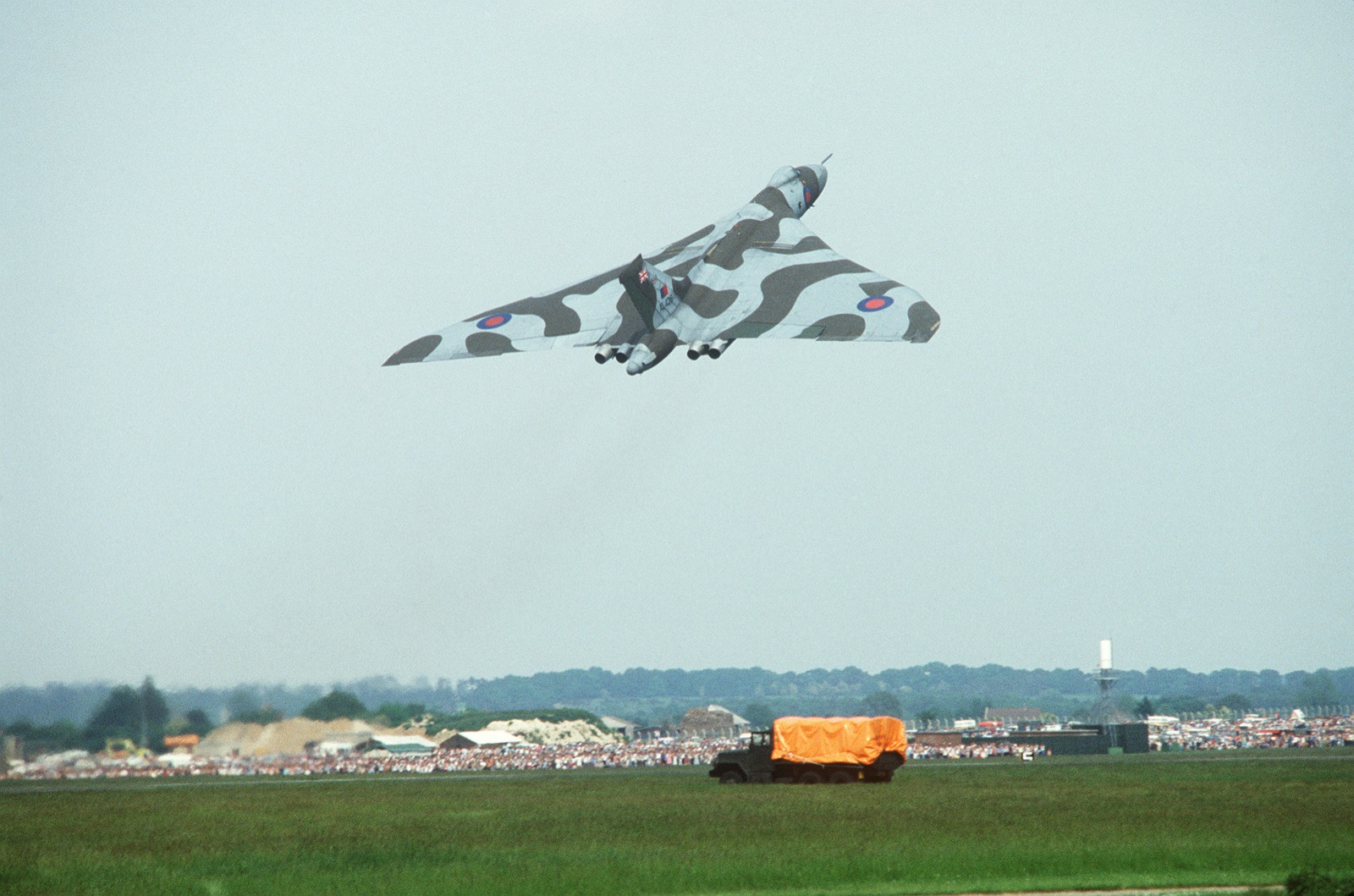
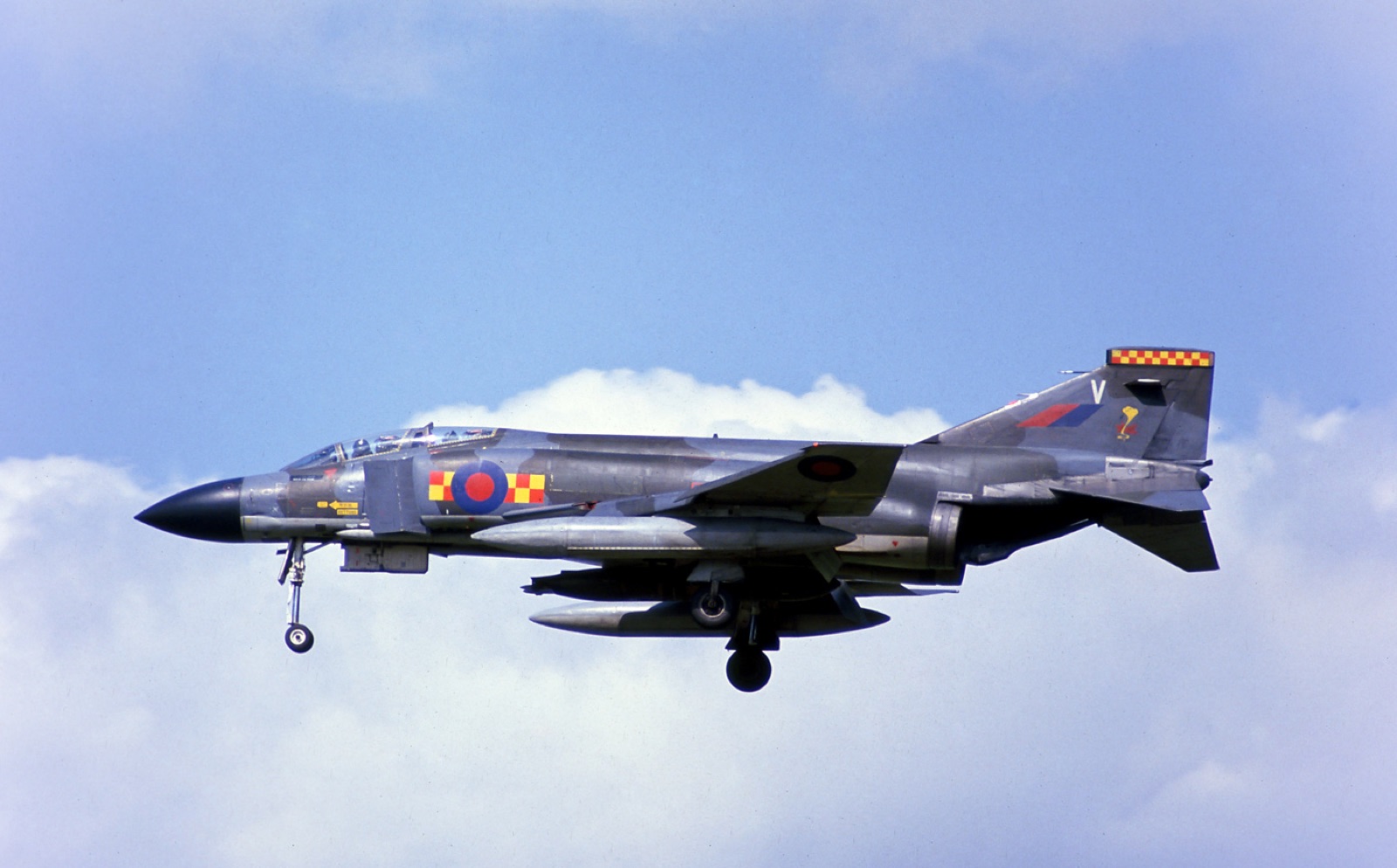
The 1957 Defence White Paper bet on missiles. Duncan Sandys planned to cut Britain’s forces from about 690,000 to 375,000 by 1962, end National Service and cancel the next generation of manned fighters; the RAF lost the supersonic F.155 interceptor and the Avro 730 bomber, and the Royal Auxiliary Air Force lost its flying squadrons. Fighter Command survived, built around the Lightning, which was too far advanced to cancel. The second shock came in 1990: Options for Change set the RAF a ceiling of 75,000 people (from 88,500), and RAF Germany, the service’s largest command abroad, was disbanded on 1 April 1993.
Combat aircraft: Britain and its peers, 1973–2023
combat aircraft- United Kingdom
- France
- Germany
- Italy
| Year | United Kingdom | France | Germany | Italy |
|---|---|---|---|---|
| 1973 | 500 | 500 | 460 | 330 |
| 1993 | 450 | 630 | 450 | 320 |
| 2013 | 230 | 290 | 209 | 220 |
| 2023 | 169 | 231 | 214 | 199 |
FlightGlobal’s 2026 directory, which counts only aircraft in day-to-day use, gives the UK 141 combat aircraft, France 223, Germany 190 and Italy 153.
Source IISS, The Military Balance, as tabulated by the House of Commons Defence Committee, Aviation Procurement: Winging it? (HC 178, September 2023)
Front-line fighters and fast jets by decade
| 1918 | Sopwith Camel, S.E.5a, Sopwith Dolphin, Bristol F.2b, Sopwith Snipe | Sopwith Snipe | 5 |
| 1920s | Snipe, Grebe, Gamecock, Siskin, Bulldog | Bristol Bulldog (1929) | 5 |
| 1930s | Bulldog, Fury, Demon, Gauntlet, Gladiator, Hurricane, Spitfire | Supermarine Spitfire (1938) | 7 |
| 1940s | Spitfire, Hurricane, Defiant, Beaufighter, Mosquito, Typhoon, Tempest, Meteor, Vampire | de Havilland Vampire (1946) | 9 |
| 1950s | Meteor, Vampire, Venom, Sabre, Swift, Hunter, Javelin | Gloster Javelin (1956) | 7 |
| 1960s | Hunter, Javelin, Lightning | English Electric Lightning (1960) | 3 |
| 1970s | Lightning, Phantom, Harrier, Jaguar, Buccaneer | SEPECAT Jaguar (1974) | 5 |
| 1980s | Lightning (to 1988), Phantom, Harrier, Jaguar, Buccaneer, Tornado GR1 and F3 | Tornado F3 (1987) | 6 |
| 1990s | Tornado GR1/GR4 and F3, Harrier GR7, Jaguar, Buccaneer (to 1994), Phantom (to 1992) | Harrier GR7 (1990) | 5 |
| 2000s | Tornado GR4 and F3, Harrier GR7/9, Jaguar (to 2007), Typhoon | Eurofighter Typhoon (2003) | 4 |
| 2010s | Typhoon, Tornado GR4 (to 2019), F-35B | F-35B Lightning (2018 in UK) | 3 |
| 2020s | Typhoon, F-35B | F-35A ordered 2025 | 2 |
| Gazetteer compilation from RAF Museum and type histories; counts exclude trainers and maritime patrol. | |||
Two interceptors, sixty years apart
Lightning F6 (1966)
Typhoon FGR4 (2026)
- 17 mLength16 m
- 11 mWingspan11 m
- 20,752 kgMaximum take-off weight23,500 kg
- 73 kNThrust per engine, with reheat90 kN
- 18,288 mService ceiling16,764 m
- 1,367 kmRange2,900 km
- 2Air-to-air missiles typically carried6
Verdict The Lightning climbed like a rocket and ran out of fuel in about 35 minutes; the Typhoon carries three times the missiles three times as far, and does the work of several of its forebears.
Source Lightning F6 Pilot’s Notes and Operating Data Manual (via Wikipedia); RAF and Eurofighter data (via Wikipedia)
The RAF in 2026
Every aircraft on the books, 1 April 2026
The 2026 fleet, type by type
aircraft= 5 aircraft
- Typhoon111 in service124
- Tutor (elementary trainer)91
- Viking (cadet glider)81
- Hawk T1 and T2T1s mostly fly with the Red Arrows52
- F-35B Lightningjoint RAF and Royal Navy fleet47
- Chinook36 in the forward fleet45
- Prefect23
- A400M Atlas22
- Voyager14
- Texan14
- Poseidon P-8A9
- C-17 Globemaster8
The Viking glider is a Grob G103; the Slingsby icon stands in for the RAF’s glider fleet in general.
Source MoD, UK Armed Forces Equipment and Formations 2026, tables 7 and 8 (total fleet at 1 April 2026)
The fleet register, 1 April 2026
| Typhoon | Multi-role fighter | 111 | 124 | 137 | -13 |
| F-35B Lightning | Stealth strike fighter (joint) | 47 | 47 | 26 | 21 |
| A400M Atlas | Tactical airlifter | 22 | 22 | 20 | 2 |
| C-17 Globemaster | Strategic airlifter | 8 | 8 | 8 | 0 |
| Voyager | Tanker and transport | 14 | 14 | 14 | 0 |
| Hercules C-130J | Tactical airlifter (retired 2023) | 0 | 0 | 13 | -13 |
| Poseidon P-8A | Maritime patrol | 9 | 9 | 9 | 0 |
| Airseeker (RC-135W) | Signals intelligence | 3 | 3 | 3 | 0 |
| Shadow R1 | Surveillance | 5 | 8 | 8 | 0 |
| Envoy IV | Command support | 2 | 2 | 0 | 2 |
| Hawk T2 | Advanced jet trainer | 28 | 28 | 28 | 0 |
| Hawk T1/T1A | Red Arrows and support | 18 | 24 | 67 | -43 |
| Texan T1 | Basic trainer (contract) | — | 14 | 14 | 0 |
| Prefect T1 | Elementary trainer (contract) | — | 23 | 23 | 0 |
| Phenom T1 | Multi-engine trainer (contract) | — | 5 | 5 | 0 |
| Tutor T1 | Air experience (contract) | — | 91 | 91 | 0 |
| Viking T1 | Cadet glider | 54 | 81 | 81 | 0 |
| Chinook | Heavy-lift helicopter | 36 | 45 | 59 | -14 |
| Puma HC2 | Support helicopter (retired March 2025) | 0 | 0 | 17 | -17 |
| Juno HT1 / Jupiter HT1 | Helicopter trainers (contract, tri-service) | — | 36 | 36 | 0 |
| Protector RG1 | Armed long-endurance drone | 9 | 16 | — | — |
| Reaper | Armed drone (retired 2025) | 0 | 0 | 10 | -10 |
| MoD, UK Armed Forces Equipment and Formations 2026, tables 7 and 8. ‘In service’ for fixed-wing aircraft means in active fleet management (can include storage); contractor-operated trainers have no in-service figure. The first E-7 Wedgetail (WT001) arrived at Lossiemouth on 21 May 2026 for testing and is not yet counted; three are on order. Twelve F-35As were ordered in June 2025 for the NATO nuclear mission. | |||||
Source MoD Equipment and Formations 2026
What the UK’s 507 fixed-wing aircraft are for
aircraft- 53% Training, gliding and air experience 270
- 34% Combat (Typhoon, F-35B) 171
- 9% Transport and tankers 44
- 4% Surveillance and intelligence 22
Source MoD Equipment and Formations 2026, table 7 (total fleet, all three services; Avenger is Royal Navy)
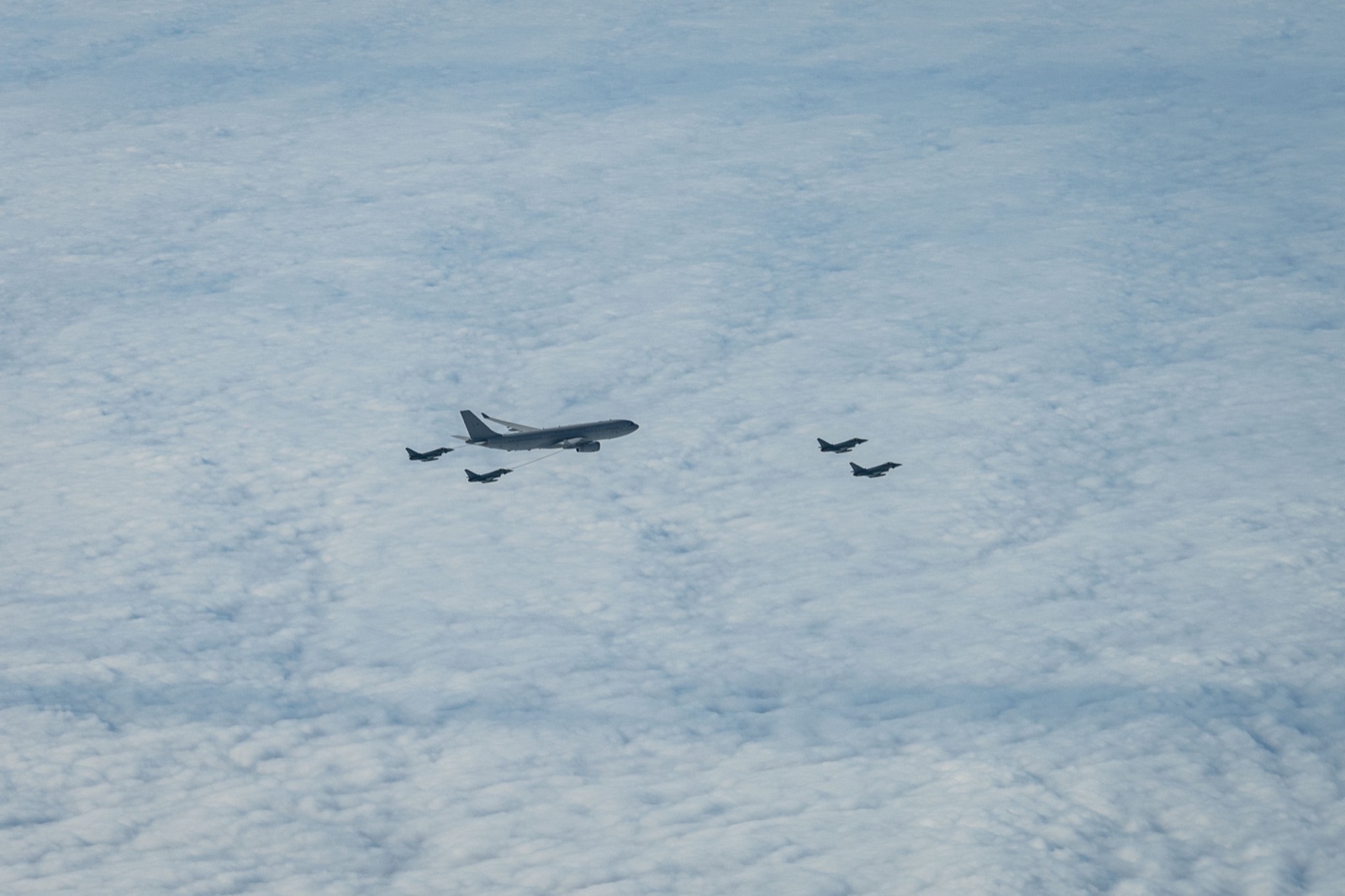
- Voyager: an Airbus A330 MRTT, leased through the AirTanker private finance deal until 2035
- A Typhoon plugged into the port wing hose-and-drogue pod
- Two more Typhoons waiting their turn
A century in eighteen dates
RAF formed from the RFC and RNAS
Armistice: 22,647 aircraft, 291,170 people
22,647Churchill and Trenchard’s White Paper sets out a small, permanent RAF
Baldwin announces a 52-squadron Home Defence force
52Expansion Scheme A: 111 squadrons by 1939
111Fighter, Bomber, Coastal and Training Commands formed
War: 1,911 first-line aircraft
1,911Peak strength: 1,185,833 people
1,185,83355,469 aircraft on charge
55,469Sandys White Paper: missiles over manned fighters
Bomber and Fighter Commands merge into Strike Command
The Lightning retires
RAF Germany disbanded
Harrier retired and Nimrod MRA4 cancelled in the defence review
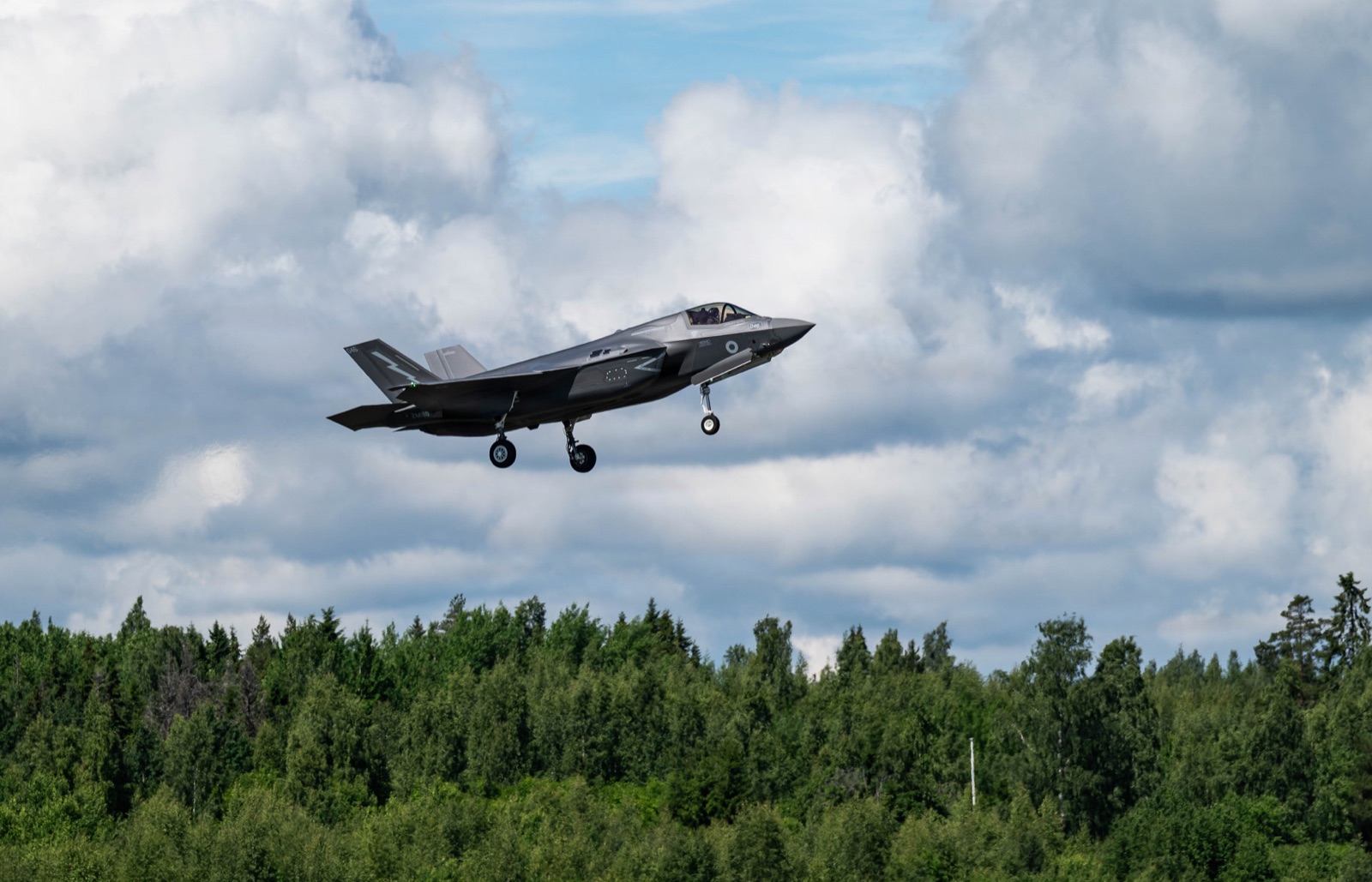
First UK F-35Bs arrive at Marham, in the RAF’s centenary year
Tornado retires after 37 years
Puma HC2 and Tranche 1 Typhoons retire
First E-7 Wedgetail lands at Lossiemouth
Source RAF Museum timeline; MoD; Commons Library
The line-up
A century of RAF front-line types, at one scale
A century of RAF types, to scale
drawn to one scale-
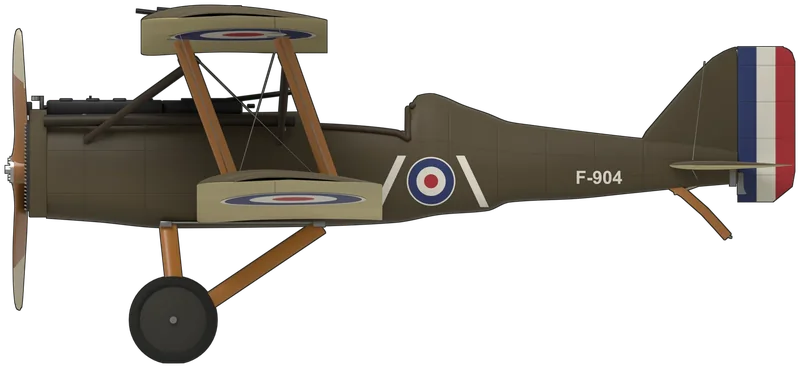 S.E.5a (1917) 6.4 m
 -
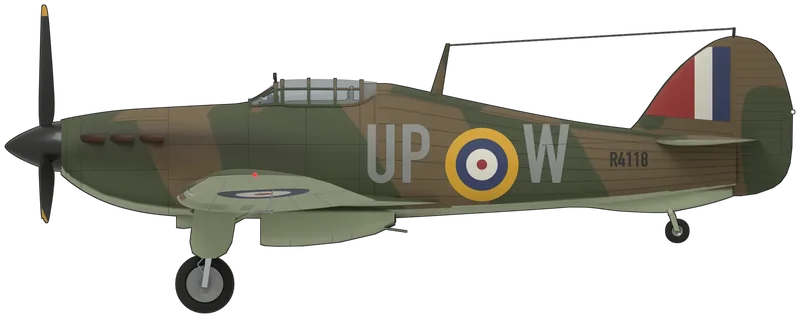 Hurricane I (1937) 9.6 m
 -
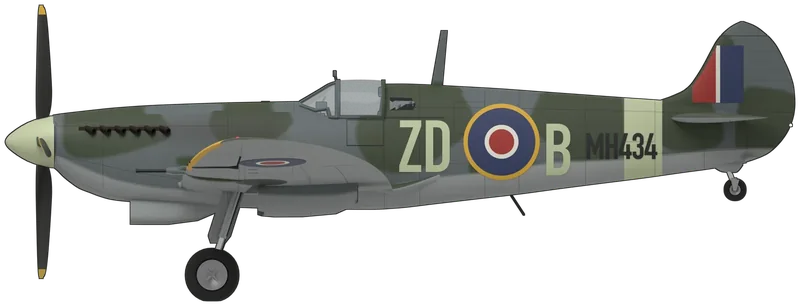 Spitfire I (1938) 9.5 m
 -
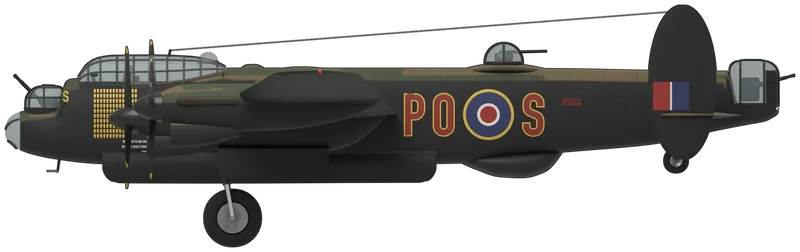 Lancaster (1942) 21.1 m
 -
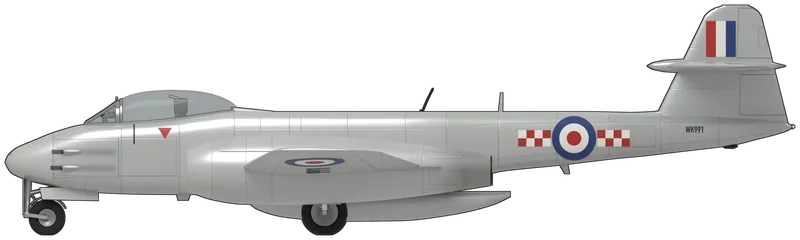 Meteor F8 (1950) 13.6 m
 -
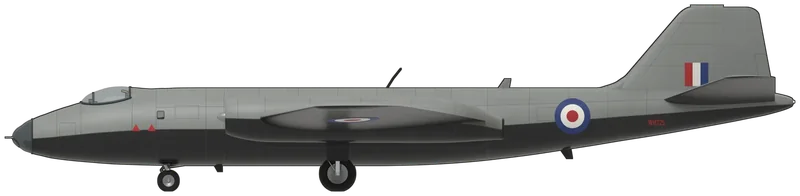 Canberra B2 (1951) 20.0 m
 -
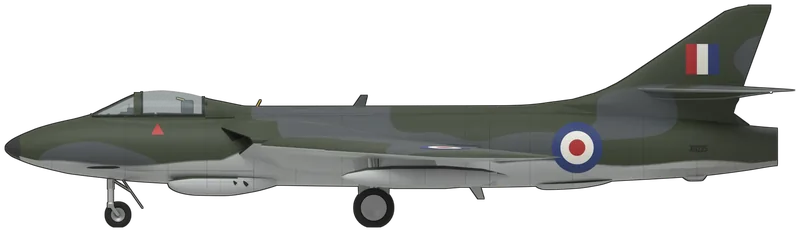 Hunter F6 (1956) 14.0 m
 -
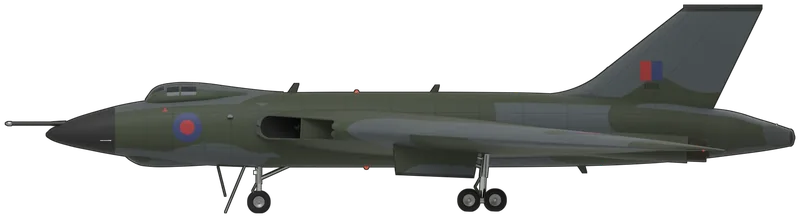 Vulcan B2 (1960) 30.5 m
 -
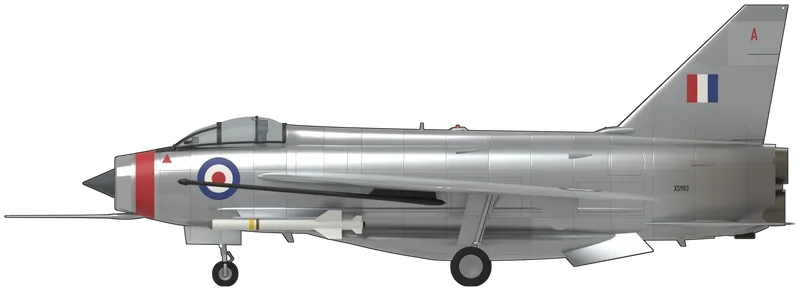 Lightning F6 (1966) 16.8 m
 -
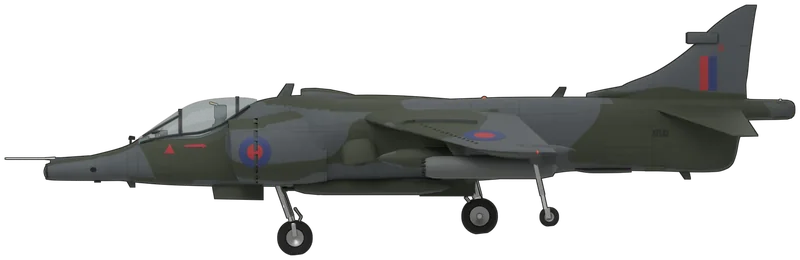 Harrier (1969) 14.3 m · GR7 dimensions
 -
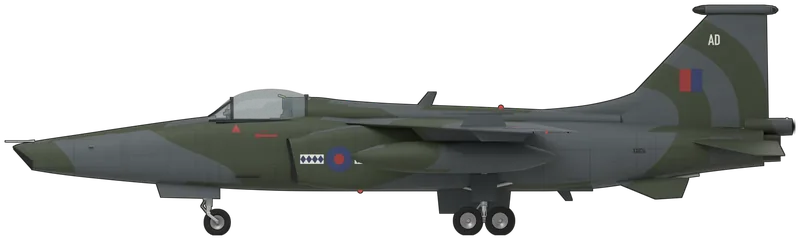 Jaguar GR1 (1974) 16.8 m
 -
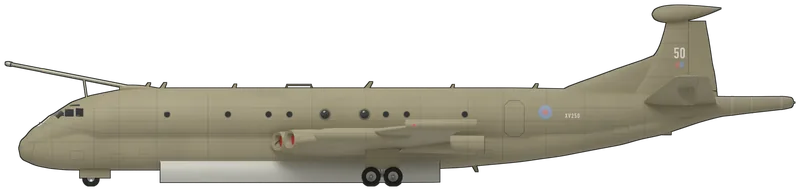 Nimrod MR2 (1979) 39.3 m
 -
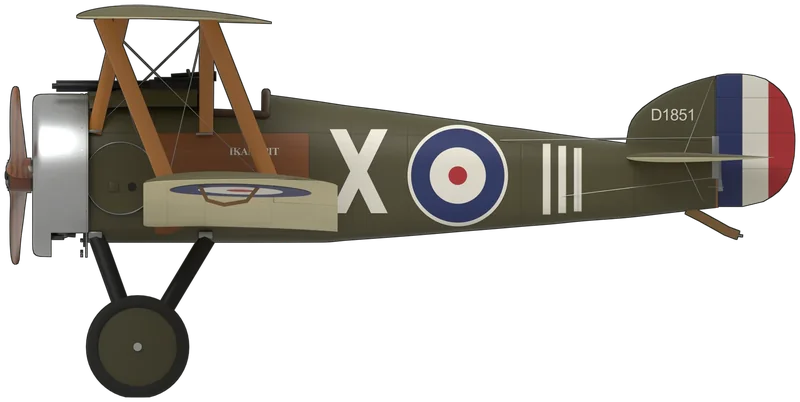 Sopwith Camel 5.7 m
 -
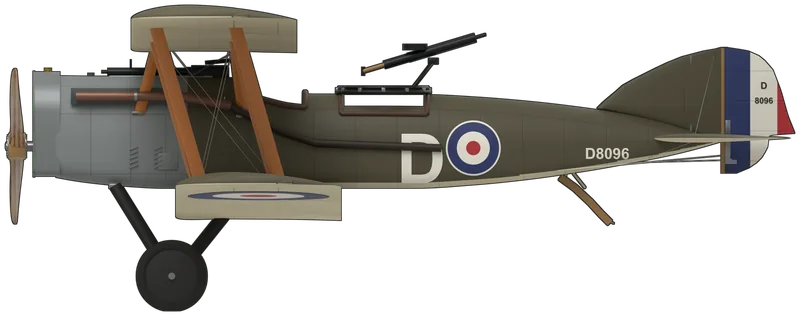 Bristol Fighter 7.9 m
 -
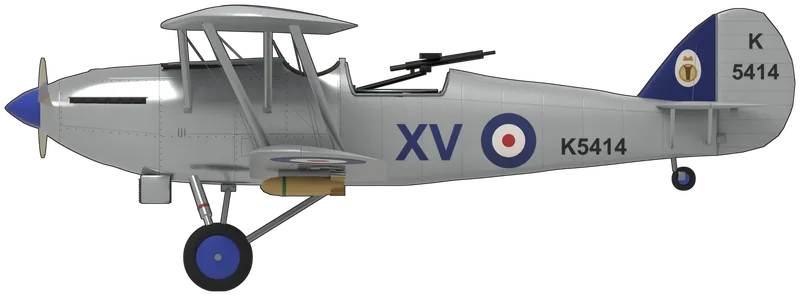 Hawker Hind 9.0 m
 -
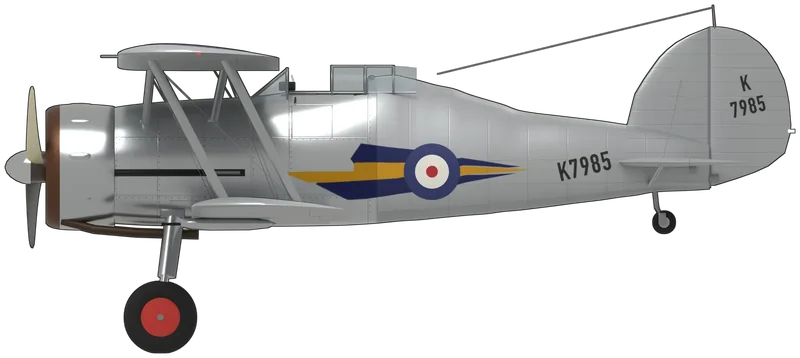 Gloster Gladiator 8.4 m
 -
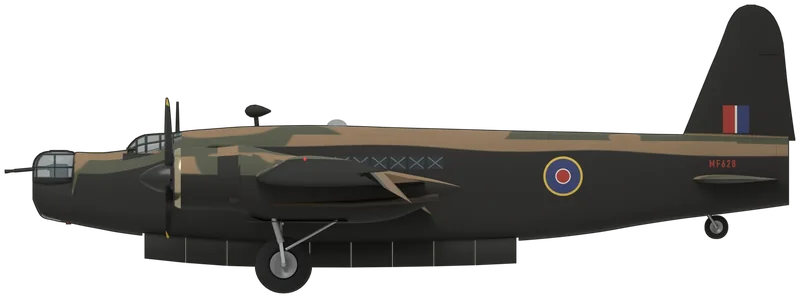 Vickers Wellington 19.7 m
 -
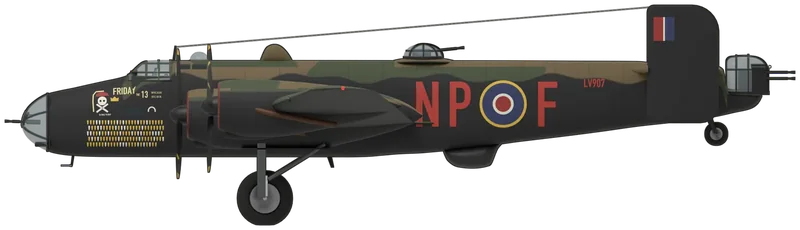 Handley Page Halifax 21.8 m
 -
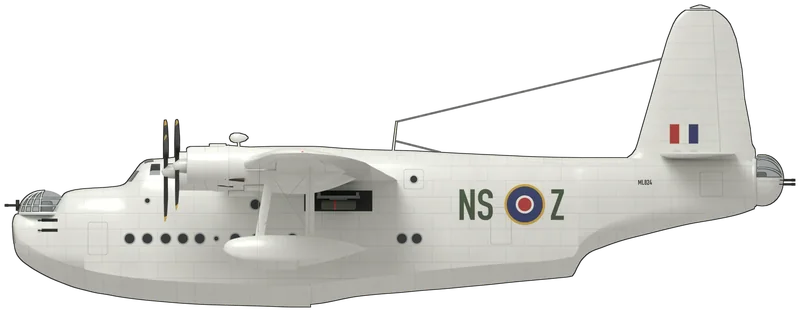 Short Sunderland 26.0 m
 -
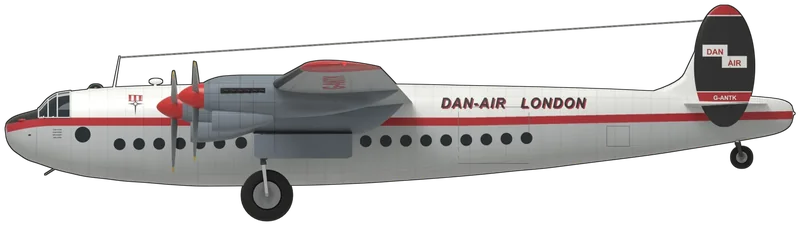 Avro York 23.9 m
 -
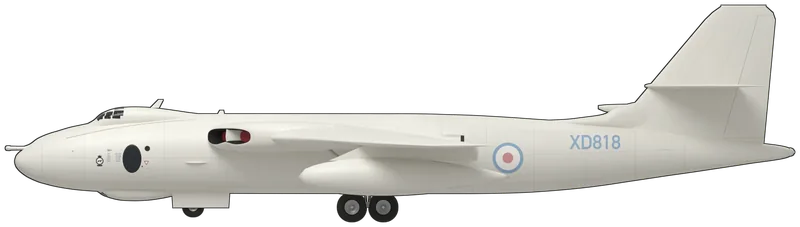 Vickers Valiant 33.0 m
 -
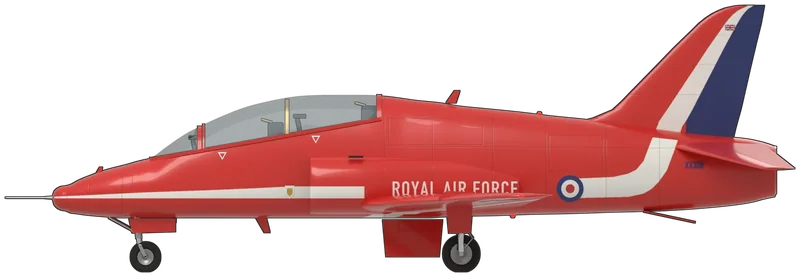 BAE Hawk T.1A 11.2 m
 -
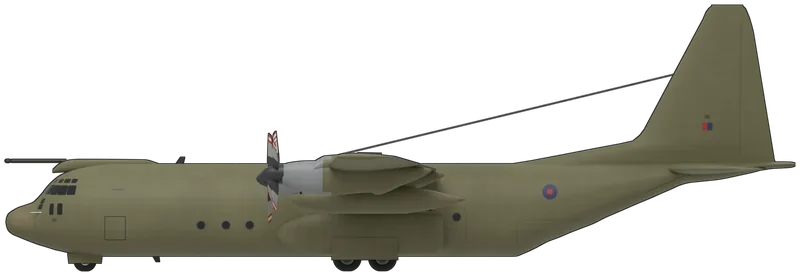 Hercules C.3 34.4 m
 -
 Vickers VC10 48.4 m
 -
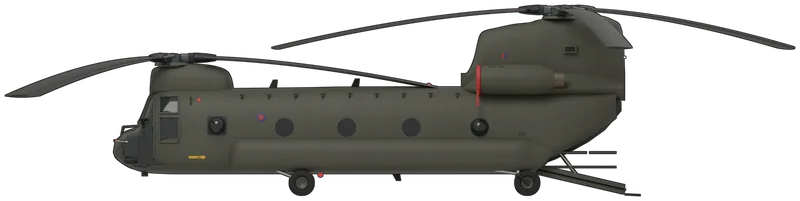 Chinook HC.6A 15.5 m
 -
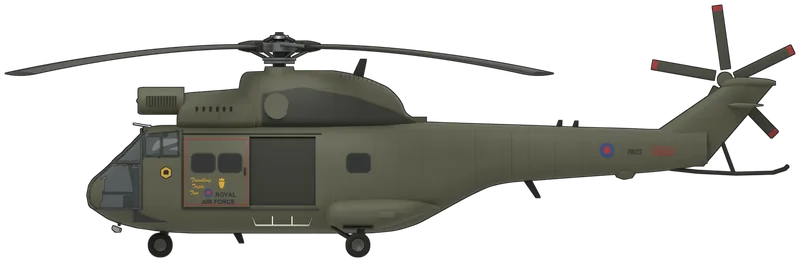 Puma HC.1 18.2 m
Bombers to fast jets, parked together
live 3D, true scale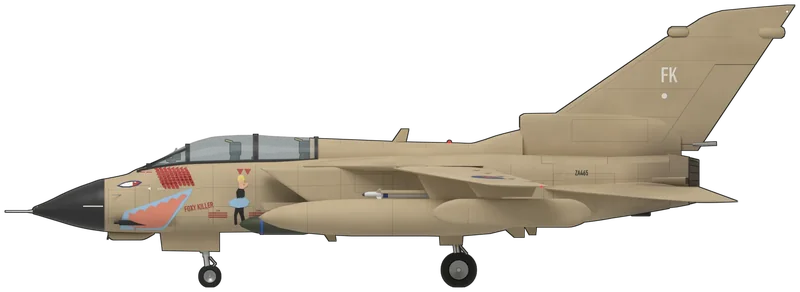
Drag to walk round · pinch or buttons to zoom
- Nimrod MR2 39.3 m long, 35.0 m span
- Vulcan B2 30.5 m long, 33.8 m span
- Lancaster 21.1 m long, 31.1 m span
- Tornado GR4 16.7 m long, 13.9 m span
- Lightning F6 16.8 m long, 10.6 m span
- Harrier GR7 14.3 m long, 7.7 m span
- Spitfire I 9.5 m long, 11.2 m span
- Sopwith Camel 5.7 m long, 8.5 m span
- Vickers Wellington 19.7 m long, 26.3 m span
- Vickers Valiant 33.0 m long, 34.9 m span
- BAE Hawk T.1A 11.2 m long, 9.4 m span
- Chinook HC.6A 15.5 m long, 18.3 m rotor
Where to see a century of the RAF in Britain
in British museums- Hawker Hurricane18 museums
Royal Air Force Museum London · Biggin Hill Heritage Hangar · Brooklands Museum · IWM Duxford · The Shuttleworth Collection · Tangmere Military Aviation Museum · Royal Air Force Museum Midlands · Battle Of Britain Memorial Flight Visitors Centre · Yorkshire Air Museum · Spitfire Visitor Centre, Hangar 42, Blackpool · Battle of Britain Bunker · Norfolk and Suffolk Aviation Museum · Spitfire & Hurricane Memorial Museum, Manston · Wings Aviation Museum · Romney Marsh Wartime Collection · Jet Age Museum · North East Land, Sea and Air Museums · Hooton Park Hangars
- Supermarine Spitfire23 museums
Royal Air Force Museum London · Biggin Hill Heritage Hangar · IWM Duxford · The Shuttleworth Collection · Solent Sky · Tangmere Military Aviation Museum · Royal Air Force Museum Midlands · Battle Of Britain Memorial Flight Visitors Centre · Yorkshire Air Museum · Spitfire Visitor Centre, Hangar 42, Blackpool · National Museum Of Flight · Montrose Air Station Museum · Ulster Aviation Society (Maze Long Kesh) · Fleet Air Arm Museum · Battle of Britain Bunker · Norfolk and Suffolk Aviation Museum · Langham Dome · Spitfire & Hurricane Memorial Museum, Manston · Lincolnshire Aviation Heritage Centre · The Potteries Spitfire Gallery (RW388) · North East Land, Sea and Air Museums · Hooton Park Hangars · Welsh Spitfire Museum
- Avro Lancaster12 museums
Royal Air Force Museum London · IWM Duxford · Boscombe Down Aviation Collection · Lincolnshire Aviation Heritage Centre · Battle Of Britain Memorial Flight Visitors Centre · Avro Heritage Museum · Newark Air Museum · Hardwick Airfield Museum · Wings Aviation Museum · Metheringham Airfield Visitor Centre · Thorpe Camp Visitor Centre · Polish Bomber Squadrons Centre, RAF Ingham
- Gloster Meteor31 museums
Royal Air Force Museum London · IWM Duxford · Norfolk and Suffolk Aviation Museum · Gatwick Aviation Museum · Tangmere Military Aviation Museum · Bournemouth Aviation Museum · Royal Air Force Museum Midlands · Midland Air Museum · Newark Air Museum · Yorkshire Air Museum · Solway Aviation Museum · South Wales Aviation Museum · Montrose Air Station Museum · Ulster Aviation Society (Maze Long Kesh) · Fleet Air Arm Museum · Boscombe Down Aviation Collection · National Museum Of Flight · Morayvia · City of Norwich Aviation Museum · Bentwaters Cold War Museum · RAF Coltishall Heritage Centre · RAF Manston History Museum · Trenchard Museum · Robertsbridge Aviation Society · Jet Age Museum · East Midlands Aeropark · Hucknall Flight Test Museum · North East Land, Sea and Air Museums · South Yorkshire Aircraft Museum · Hooton Park Hangars · Speke Aerodrome Heritage Group
- English Electric Canberra32 museums
Royal Air Force Museum London · Norfolk and Suffolk Aviation Museum · Gatwick Aviation Museum · Tangmere Military Aviation Museum · Bournemouth Aviation Museum · Boscombe Down Aviation Collection · Royal Air Force Museum Midlands · Midland Air Museum · Newark Air Museum · Yorkshire Air Museum · Avro Heritage Museum · Solway Aviation Museum · South Wales Aviation Museum · Ulster Aviation Society (Maze Long Kesh) · Lincolnshire Aviation Heritage Centre · National Museum Of Flight · Morayvia · City of Norwich Aviation Museum · Suffolk Aviation Heritage Museum · Farnborough Air Sciences Trust Museum · RAF Manston History Museum · Wings Aviation Museum · Romney Marsh Wartime Collection · Robertsbridge Aviation Society · East Midlands Aeropark · RAF Defford Museum · Rolls Royce Heritage Trust · North East Land, Sea and Air Museums · South Yorkshire Aircraft Museum · Hooton Park Hangars · The Vulcan Experience (XH558) · Stoneykirk Aviation Museum
- Hawker Hunter32 museums
IWM Duxford · Norfolk and Suffolk Aviation Museum · Gatwick Aviation Museum · Tangmere Military Aviation Museum · Bournemouth Aviation Museum · Boscombe Down Aviation Collection · Royal Air Force Museum Midlands · Midland Air Museum · Newark Air Museum · Yorkshire Air Museum · Solway Aviation Museum · South Wales Aviation Museum · Montrose Air Station Museum · Morayvia · Royal Air Force Museum London · Brooklands Museum · Fleet Air Arm Museum · Ulster Aviation Society (Maze Long Kesh) · City of Norwich Aviation Museum · Bentwaters Cold War Museum · Suffolk Aviation Heritage Museum · RAF Coltishall Heritage Centre · Farnborough Air Sciences Trust Museum · Trenchard Museum · Robertsbridge Aviation Society · Cornwall at War Museum, Davidstow · Jet Age Museum · East Midlands Aeropark · Sywell Aviation Museum · North East Land, Sea and Air Museums · South Yorkshire Aircraft Museum · Airworld Aviation Museum
- Avro Vulcan19 museums
Royal Air Force Museum London · IWM Duxford · Vulcan Restoration Trust (XL426), Southend · Bournemouth Aviation Museum · Royal Air Force Museum Midlands · Midland Air Museum · Newark Air Museum · Avro Heritage Museum · Solway Aviation Museum · National Museum Of Flight · Morayvia · City of Norwich Aviation Museum · RAF Manston History Museum · Jet Age Museum · East Midlands Aeropark · North East Land, Sea and Air Museums · South Yorkshire Aircraft Museum · The Vulcan Experience (XH558) · Stoneykirk Aviation Museum
- English Electric Lightning25 museums
Royal Air Force Museum London · IWM Duxford · Norfolk and Suffolk Aviation Museum · Gatwick Aviation Museum · Tangmere Military Aviation Museum · Bournemouth Aviation Museum · Boscombe Down Aviation Collection · Royal Air Force Museum Midlands · Midland Air Museum · Newark Air Museum · Yorkshire Air Museum · Solway Aviation Museum · National Museum Of Flight · Morayvia · RAF Air Defence Radar Museum · City of Norwich Aviation Museum · Bentwaters Cold War Museum · RAF Coltishall Heritage Centre · Farnborough Air Sciences Trust Museum · RAF Manston History Museum · Robertsbridge Aviation Society · East Midlands Aeropark · Thorpe Camp Visitor Centre · North East Land, Sea and Air Museums · South Yorkshire Aircraft Museum
- McDonnell Douglas Phantom16 museums
Royal Air Force Museum London · IWM Duxford · Norfolk and Suffolk Aviation Museum · Tangmere Military Aviation Museum · Fleet Air Arm Museum · Midland Air Museum · Solway Aviation Museum · South Wales Aviation Museum · Ulster Aviation Society (Maze Long Kesh) · Royal Air Force Museum Midlands · National Museum Of Flight · Montrose Air Station Museum · Morayvia · City of Norwich Aviation Museum · Bentwaters Cold War Museum · British Phantom Group & Bristol Britannia XM496 (Kemble)
- Harrier family24 museums
Royal Air Force Museum London · IWM Duxford · Solent Sky · Gatwick Aviation Museum · Tangmere Military Aviation Museum · Fleet Air Arm Museum · Boscombe Down Aviation Collection · Aerospace Bristol · Royal Air Force Museum Midlands · Midland Air Museum · Newark Air Museum · Yorkshire Air Museum · South Wales Aviation Museum · Ulster Aviation Society (Maze Long Kesh) · Brooklands Museum · Solway Aviation Museum · National Museum Of Flight · City of Norwich Aviation Museum · Bentwaters Cold War Museum · Farnborough Air Sciences Trust Museum · Wings Aviation Museum · Hucknall Flight Test Museum · South Yorkshire Aircraft Museum · Airworld Aviation Museum
- SEPECAT Jaguar22 museums
Royal Air Force Museum London · RAF Air Defence Radar Museum · Bournemouth Aviation Museum · Boscombe Down Aviation Collection · Royal Air Force Museum Midlands · Newark Air Museum · Solway Aviation Museum · South Wales Aviation Museum · National Museum Of Flight · Montrose Air Station Museum · Morayvia · Ulster Aviation Society (Maze Long Kesh) · Norfolk and Suffolk Aviation Museum · Gatwick Aviation Museum · Yorkshire Air Museum · City of Norwich Aviation Museum · Bentwaters Cold War Museum · RAF Coltishall Heritage Centre · Farnborough Air Sciences Trust Museum · RAF Manston History Museum · East Midlands Aeropark · South Yorkshire Aircraft Museum
- Hawker Siddeley Nimrod12 museums
Royal Air Force Museum Midlands · Yorkshire Air Museum · Avro Heritage Museum · Runway Visitor Park, Manchester Airport · Morayvia · Boscombe Down Aviation Collection · South Wales Aviation Museum · National Museum Of Flight · City of Norwich Aviation Museum · RAF Manston History Museum · East Midlands Aeropark · South Yorkshire Aircraft Museum
- Panavia Tornado15 museums
Royal Air Force Museum London · IWM Duxford · Midland Air Museum · Yorkshire Air Museum · Solway Aviation Museum · South Wales Aviation Museum · National Museum Of Flight · Montrose Air Station Museum · Ulster Aviation Society (Maze Long Kesh) · RAF Air Defence Radar Museum · Boscombe Down Aviation Collection · Royal Air Force Museum Midlands · RAF Manston History Museum · North East Land, Sea and Air Museums · South Yorkshire Aircraft Museum
Sources
- RAF Museum, History of aviation timeline: British Military Aviation 1918–2000
- Richards, D., Royal Air Force 1939–1945 vol. I (HMSO, 1953), appendix: first-line strength
- Richards & Saunders, Royal Air Force 1939–1945 vol. II, appendix IV
- Saunders, Royal Air Force 1939–1945 vol. III, appendix V
- Ministry of Defence, UK Armed Forces Equipment and Formations 2026 (20 August 2026)
- Ministry of Defence, Quarterly Service Personnel Statistics, 1 July 2026
- DASA, Monthly manning report, April 2010
- Wikipedia, Personnel numbers in the Royal Air Force
- House of Commons Library, UK defence in 2025: aircraft fleets (CBP-10239)
- House of Commons Defence Committee, Aviation Procurement: Winging it? (HC 178, 2023), as reported by UK Defence Journal
- FlightGlobal, World Air Forces 2026 directory (Cirium data)
- Gibbs, N. H., ‘Behind Britain’s New Defense Policy’, Air Force Magazine, June 1957
- UK Government, UK to purchase F-35As and join NATO nuclear mission (25 June 2025)
- Boeing UK, First Wedgetail aircraft arrives at RAF Lossiemouth (May 2026)
- Wikipedia, English Electric Lightning and Eurofighter Typhoon (specifications)
Photographs
- A Typhoon FGR4 banks over RAF Fairford at the Royal International Air Tattoo, 20 — US Air Force photo by Airman 1st Class Jennifer Zima, Public domain · source
- Air mechanics of the Women’s Royal Air Force at work on a biplane with its fabri — British official photographer (IWM Q 27255), Public domain · source
- The Operations Room at No. 11 Group, Uxbridge, 1942. By the peak of 1 July 1944 — Air Ministry official photographer (IWM CH 7698), Public domain · source
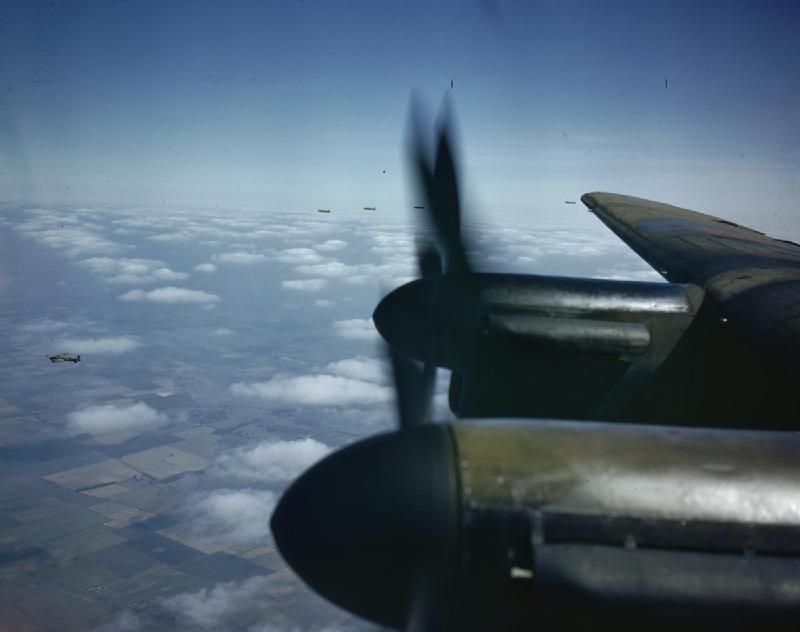
- Lancasters in flight, 26 August 1943. On 31 May 1945 the RAF held 55,469 aircraf — Air Ministry official photographer (IWM TR 1158), Public domain · source
- A Vulcan B2 climbs out at the Mildenhall Air Fete, 9 June 1984, months after the — US Air Force photo by TSgt Jose Lopez Jr, Public domain · source
- A Phantom FGR2 of No. 92 Squadron on approach to RAF Wildenrath, West Germany, i — Rob Schleiffert, CC BY-SA 2.0 · source
- A Voyager refuels Typhoons over England during Ramstein Flag 25, 9 April 2025. F — US Air Force photo by TSgt Jesenia Landaverde, Public domain · source
- F-35B ZM180 of No. 617 Squadron, the Dambusters, landing at Pirkkala, Finland, d — US Air Force photo by Senior Airman Sierra Casteel, Public domain · source
Figures are drawn from the sources above; where they disagree the most widely cited figure is used and the range is given in the notes. Side profiles and 3D models are the gazetteer’s own procedural models, drawn to scale from published dimensions. Spotted an error? Tell us.