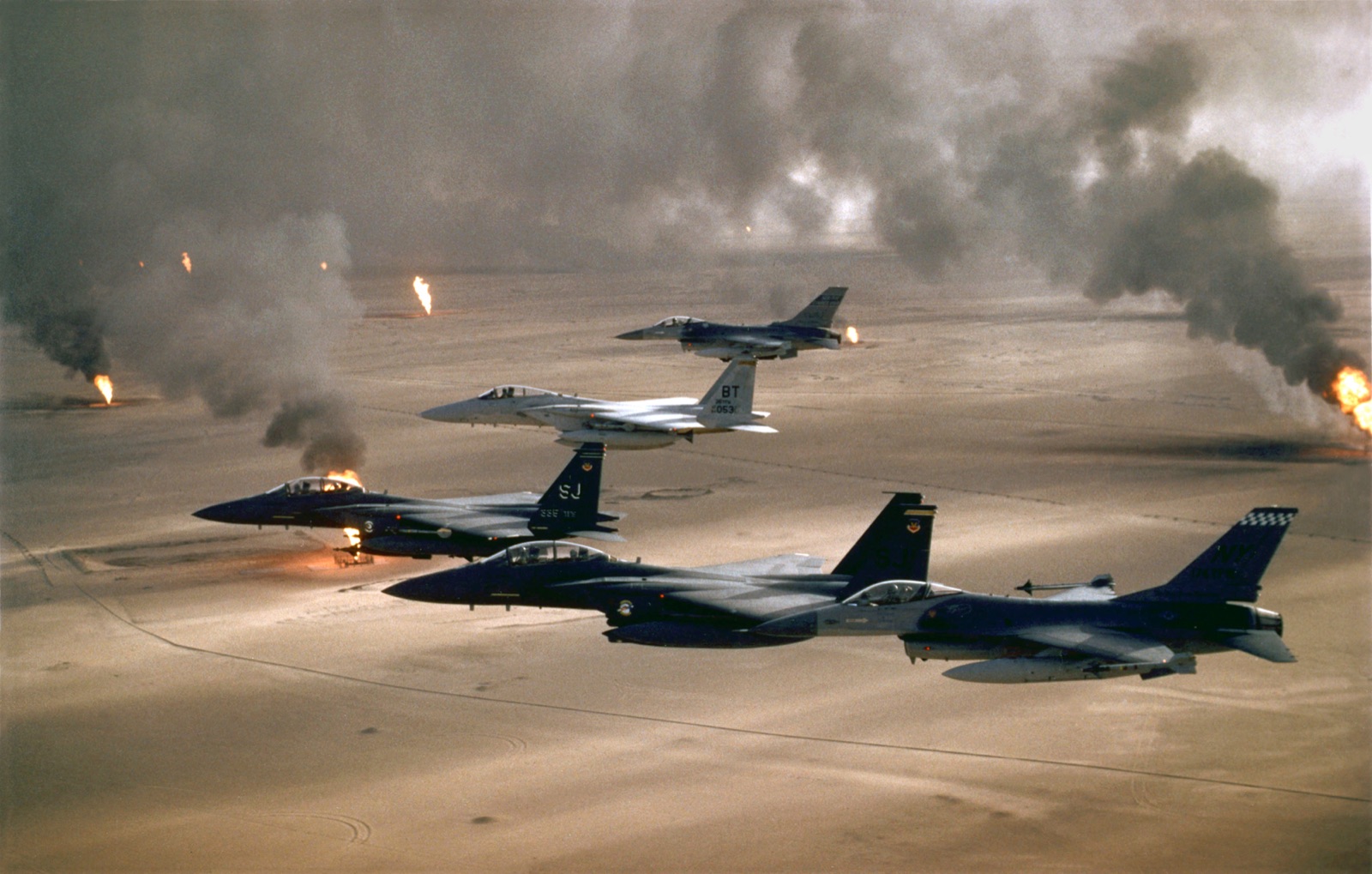
Iraq invaded Kuwait on 2 August 1990. Five and a half months later, at 23.36 GMT on 16 January 1991, a coalition of more than thirty nations began an air campaign that ran without pause until the ceasefire on 28 February. By then about 2,780 coalition fixed-wing aircraft were in theatre, three-quarters of them American, facing an Iraqi air force of some 750 combat aircraft sheltered in nearly six hundred hardened bunkers.
The figures below come chiefly from the US Air Force’s own post-war survey, which counted every sortie, and from the British Joint Commander’s despatch. They show a war that was both newer and older than it looked on television: stealth and laser-guided bombs did a disproportionate share of the important work, but most of the tonnage still fell unguided, and the Royal Air Force paid for a tactic built for a different war.
Ten thousand miles of sorties
Who flew what, and how the force was built
The coalition averaged 2,697 sorties a day and peaked at 3,280 on 24 February, the day the ground war began. The US Air Force flew well over half of them. Britain, with about 160 aircraft of sixteen types in the region, flew the third-largest share after the United States and Saudi Arabia.
Source GWAPS Vol. V, Tables 64, 65 and 81; Gulf War air campaign (Wikipedia, after GWAPS); USAF white paper, Air Force Performance in Desert Storm (April 1991); Hine despatch
Sorties by service and nation
sorties, 16 Jan–28 Feb 1991From the survey’s sorties-by-aircraft table, which sums to 118,661. The same survey’s mission-type table differs by a few hundred for some services (the Marines and the Navy especially), a discrepancy it notes itself.
Source Gulf War Air Power Survey, Vol. V, Statistical Compendium (1993), Table 81
The busiest combat types
sorties flownTornado figure combines RAF GR1 (1,644) and F3 (705), Saudi IDS (667) and ADV (451), and Italian IDS (224); the survey’s F-111E figure is illegible in the scanned copy, so only the F-111F is shown. Survey sortie counts for individual RAF types can differ from the RAF’s own, which give the GR1 force “over 1,500 offensive sorties”.
Source GWAPS Vol. V, Table 81
Building the force
US Air Force strike aircraft in theatre, by days after the invasion of Kuwait (2 August 1990 = day 0)- All USAF strike aircraft
- of which F-117A stealth fighters
| Year | All USAF strike aircraft | of which F-117A stealth fighters |
|---|---|---|
| 6 | 24 | 0 |
| 13 | 126 | 0 |
| 20 | 224 | 18 |
| 27 | 246 | 18 |
| 34 | 406 | 18 |
| 40 | 422 | 18 |
| 61 | 422 | 18 |
| 96 | 423 | 18 |
| 117 | 422 | 18 |
| 124 | 466 | 36 |
| 131 | 478 | 36 |
| 138 | 480 | 36 |
| 145 | 506 | 36 |
| 152 | 602 | 36 |
| 159 | 670 | 36 |
| 166 | 668 | 36 |
| 173 | 686 | 36 |
| 180 | 695 | 42 |
| 187 | 696 | 42 |
| 194 | 728 | 42 |
| 206 | 736 | 42 |
| 210 | 732 | 42 |
Weekly strength of A-10, AC-130, B-52, F-4G, F-15C, F-15E, F-16, F-111 and F-117 in Central Command. The February jump reflects B-52s added to the theatre count.
Source GWAPS Vol. V, Table 15, CENTAF strike aircraft strength by week
Stealth and precision
The weapons that made the headlines, and the ones that did not
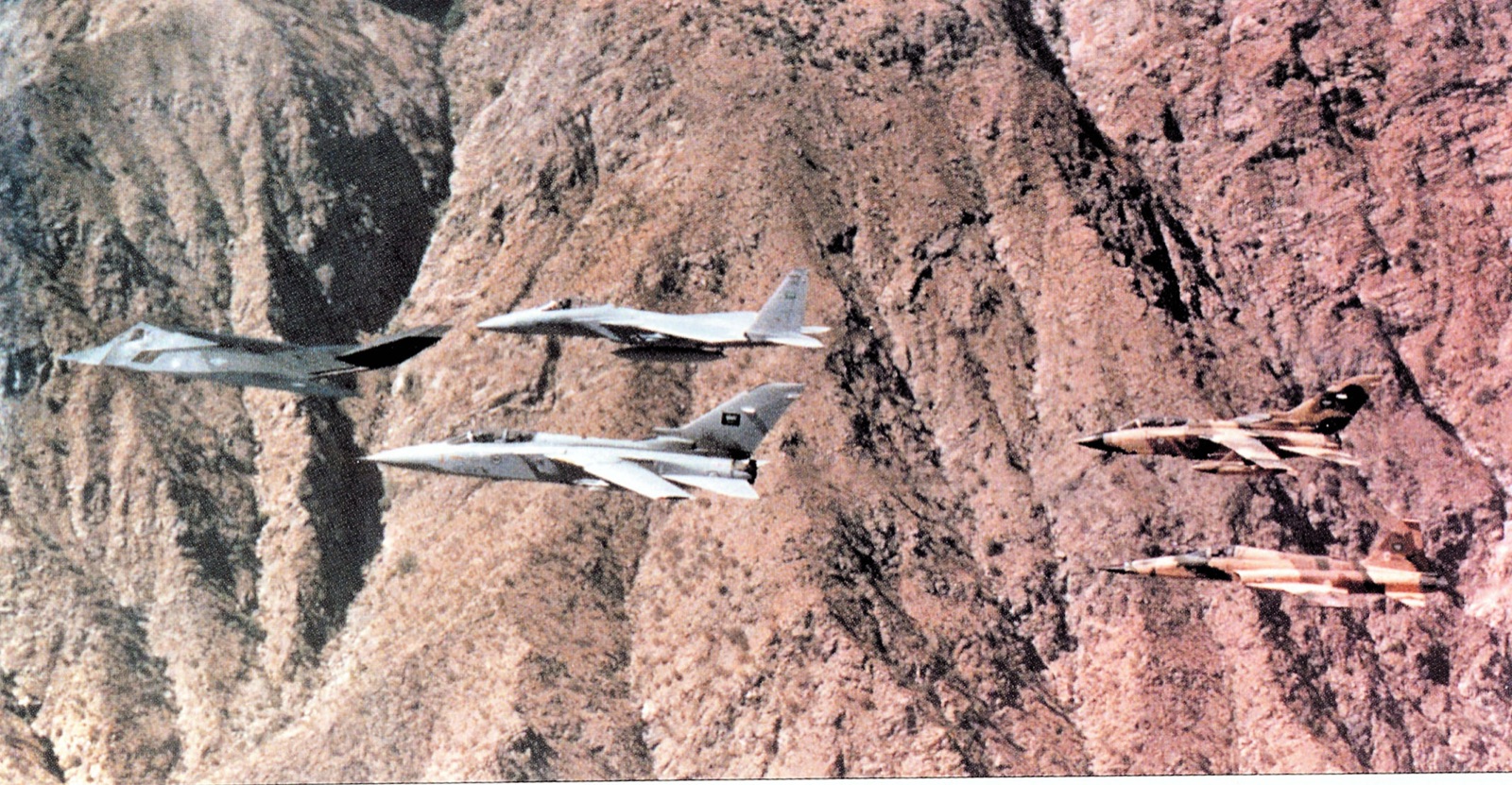
The F-117A was the war’s emblem: a black, faceted bomber flown only at night, whose existence had been admitted barely two years before. It and the Tomahawk cruise missile carried out every attack on downtown Baghdad. The survey credits the F-117 with the bulk of more than 480 precision strikes on leadership and communications targets, and about four in five of the precision strikes against nuclear, biological and chemical sites.
The Air Force’s bolder claims for it were challenged by Congress’s auditors in 1997; they are shown here as claims. The precision revolution itself was real but partial. Of some 227,000 air weapons dropped or fired, fewer than one in thirteen was guided.
The F-117: a small share of the sorties, a large share of the targets
per centThe first-day and strategic-target shares are Air Force figures from 1991. The General Accounting Office’s 1997 review of the air campaign concluded that several claims for the F-117 and for guided weapons were overstated; the Air Force disputed its findings.
Source GWAPS Vol. V, Table 81; USAF, Air Force Performance in Desert Storm (April 1991); Air Force Magazine, “GAO Launches a Dud” (1996); GAO/NSIAD-97-134 (1997)
Guided and unguided air weapons
weapons expended, by number- 92% Unguided bombs 210,000
- 4% Laser-guided bombs 9,342
- 2% Air-to-surface missiles, mostly Maverick 5,448
- 0.9% Anti-radiation missiles, mostly HARM 2,039
- 0.1% Cruise missiles 333
The unguided figure is the survey’s “approximately 210,000”. By weight, guided weapons were about 8 per cent of the tonnage delivered, at about 84 per cent of the munitions bill (GAO). The RAF dropped its first laser-guided bombs on 3 February.
Source Keaney and Cohen, Gulf War Air Power Survey Summary Report (1993); GAO/NSIAD-97-134
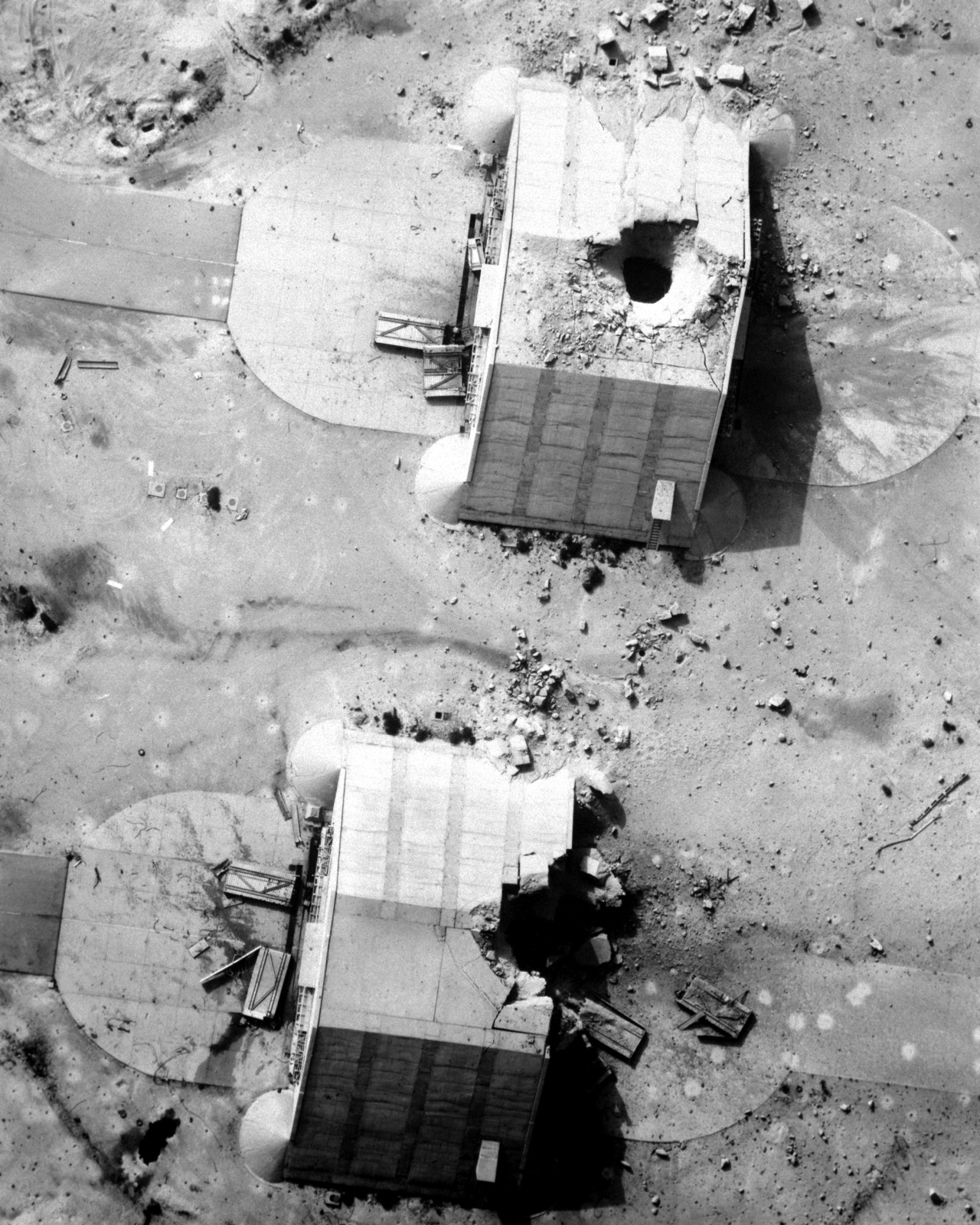
- Entry hole of a laser-guided penetrating bomb, punched through several feet of reinforced concrete
- Blast doors and their runners torn away on to the apron
- The second shelter’s back wall blown out from the inside
- Concrete debris thrown across the taxiway
The RAF’s war
Low and fast for six days, then up to medium level
The RAF went to war trained for the Central Front: Tornado GR1s running in at a few hundred feet at night to scatter JP233 runway-cratering bomblets and mines across Iraqi airfields. It worked, and all the aircraft on the first night came home. But four Tornados were lost on operations in the first six days, and Iraq’s air force had all but stopped flying. On 23 January the GR1s climbed above the guns.
Without laser designators of their own, they turned to an old naval strike jet the RAF still flew: twelve Buccaneers were rushed out from Lossiemouth with Pave Spike pods, and from 3 February Buccaneers marked targets while Tornados dropped the bombs. Two prototype TIALD pods, which the crews named Sandra and Tracey, arrived on 10 February and let the Tornados mark their own, by night.
British aircraft in the Gulf when the war began
aircraft= 2 aircraft
- Tornado GR1 and GR1Asix GR1A reconnaissance; six equipped for ALARM45
- Tornado F318
- Puma19
- TankersVC10Ks, Victor K2s and a TriStar15
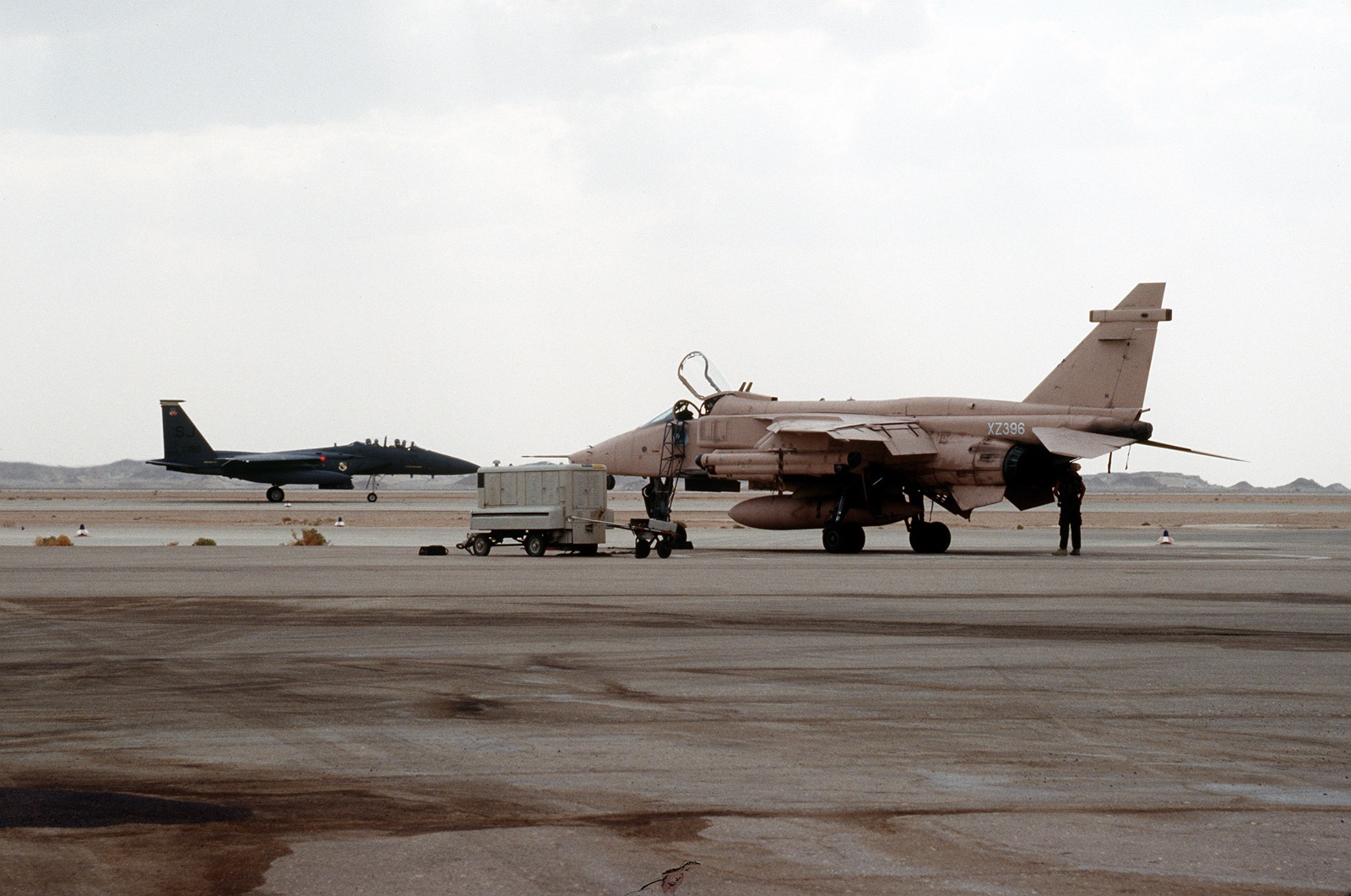
- Jaguar GR1A12
- Buccaneer S.2Barrived from 26 January12
- Chinook12
- Sea King (Royal Navy)supporting the land forces12
Not shown: Nimrods at Seeb, Hercules, VC10 and TriStar transports, and Royal Navy Lynx at sea. The Joint Commander counted over 160 aircraft of 16 types.
Source Despatch of ACM Sir Patrick Hine, London Gazette supplement 52589 (1991); Jaguar strength from the Gulf War air campaign order of battle (Wikipedia)
RAF Tornado GR1s lost on operations
aircraftA seventh GR1 was lost to mechanical failure soon after take-off; the crew ejected safely. Five aircrew were killed and seven taken prisoner. The US survey, citing Alfred Price, points out that only one of the early losses happened on a JP233 sortie and two were to radar-guided missiles, so “low level” alone does not explain them.
Source Hine despatch; RAF Museum, British military aviation in 1991; GWAPS Summary Report, p. 63n
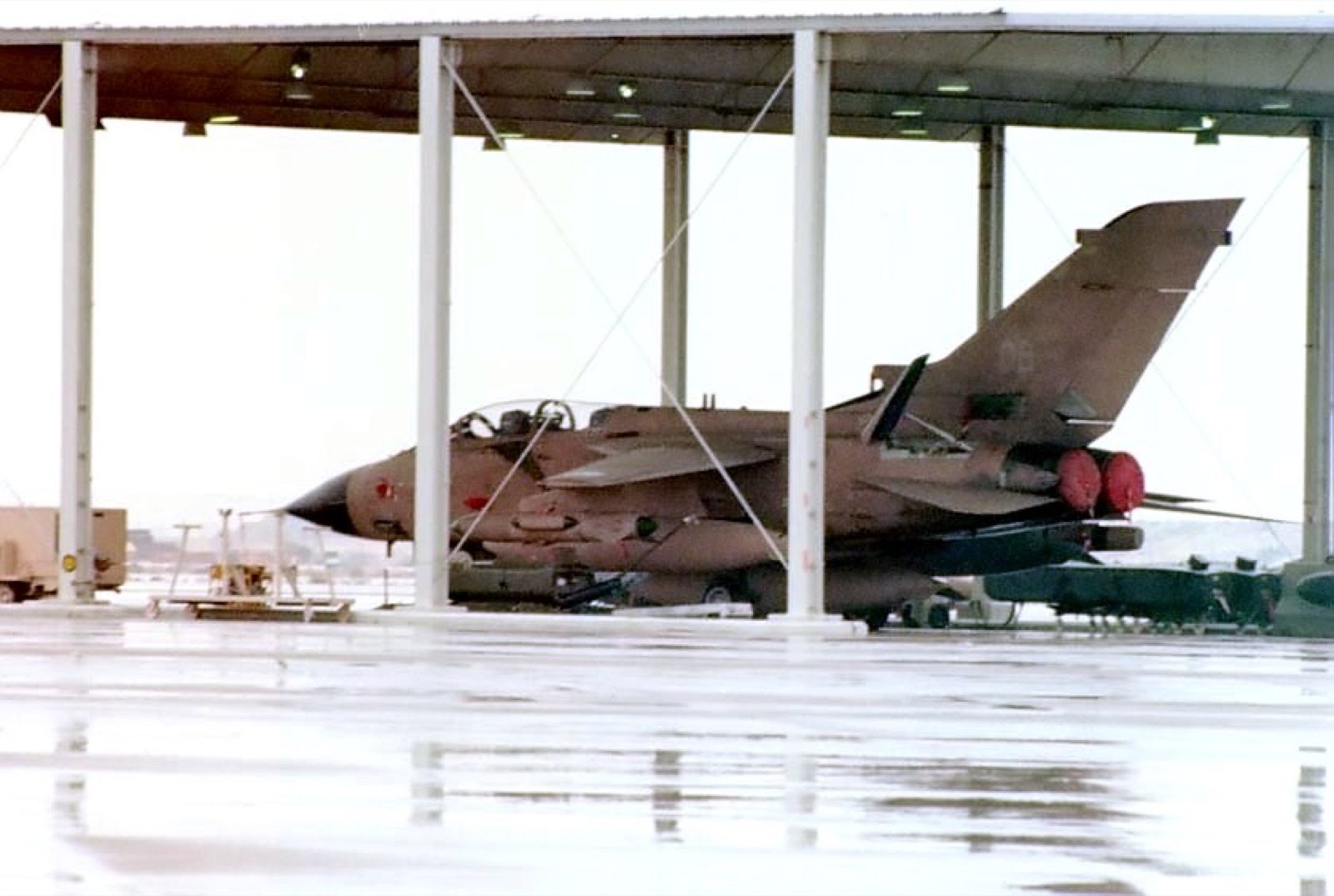
- Two-seat cockpit: pilot in front, navigator behind
- Wings swept fully back for parking under the shade
- Stores slung under the fuselage
- Red covers on the RB199 jet pipes against the sand
Source Despatch of ACM Sir Patrick Hine, London Gazette supplement 52589 (1991)
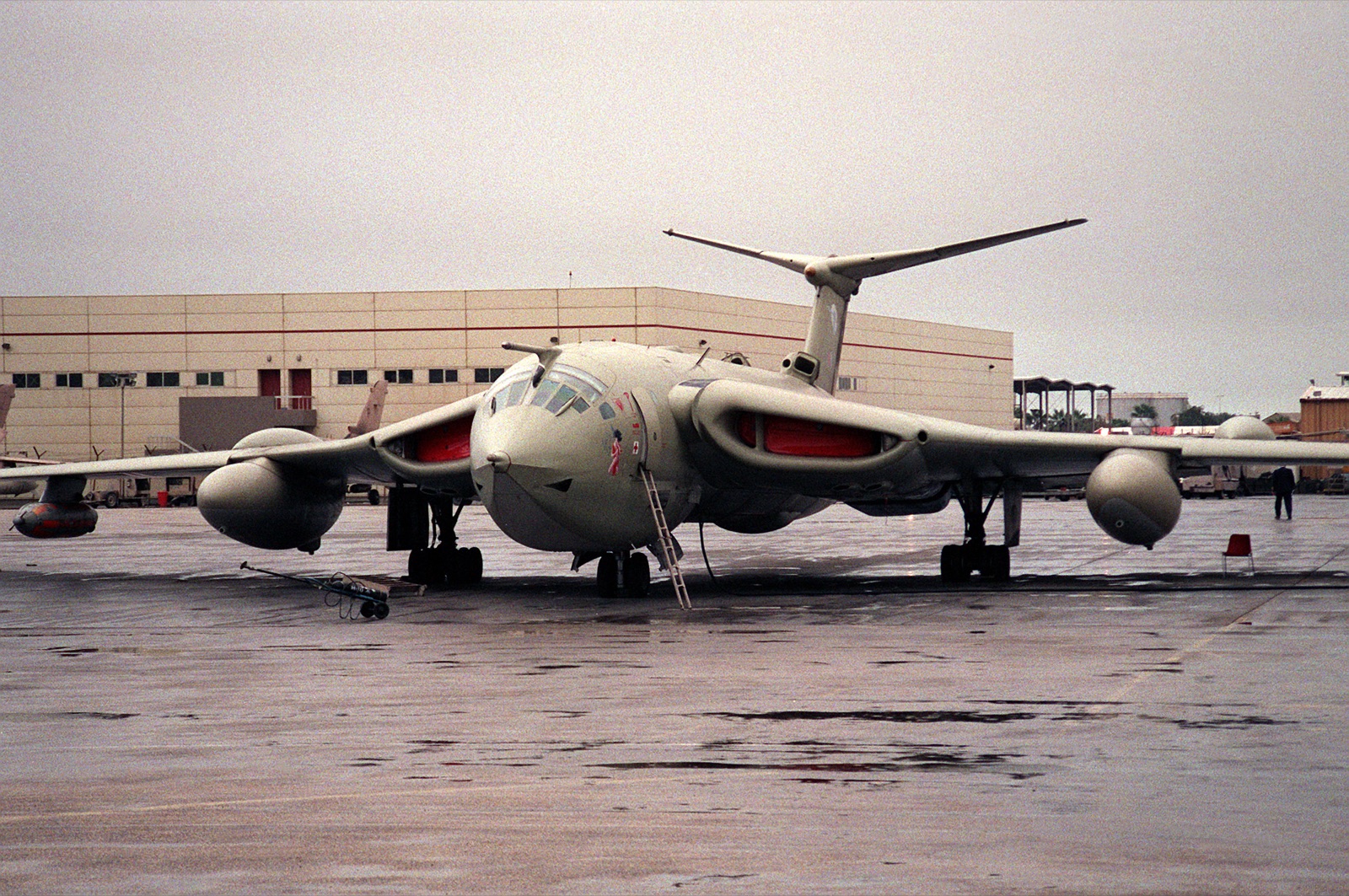
- Underwing hose-and-drogue pod; a third hose unit sat in the old bomb bay
- High T-tail of the 1950s V-bomber she was built as
British sorties, by type
| Tornado GR1/GR1A | Strike, reconnaissance | 1,644 |
| Hercules | Transport | 832 |
| Tornado F3 | Air defence | 705 |
| Jaguar GR1A | Attack, reconnaissance | 600 |
| Survey code “BNIS” (type not identified) | – | 517 |
| VC10 | Tanker and transport | 359 |
| Victor K2 | Tanker | 277 |
| Buccaneer S.2B | Laser designation | 226 |
| Nimrod | Maritime patrol, reconnaissance | 147 |
| TriStar | Tanker and transport | 75 |
| Islander (BN-2T) | Utility | 35 |
| Total 5,417. US survey figures from the coalition composite sortie database; the RAF’s own totals differ slightly (for example 214 Buccaneer sorties). The survey does not explain the code “BNIS”; it is listed as recorded. | ||
Source GWAPS Vol. V, Table 81
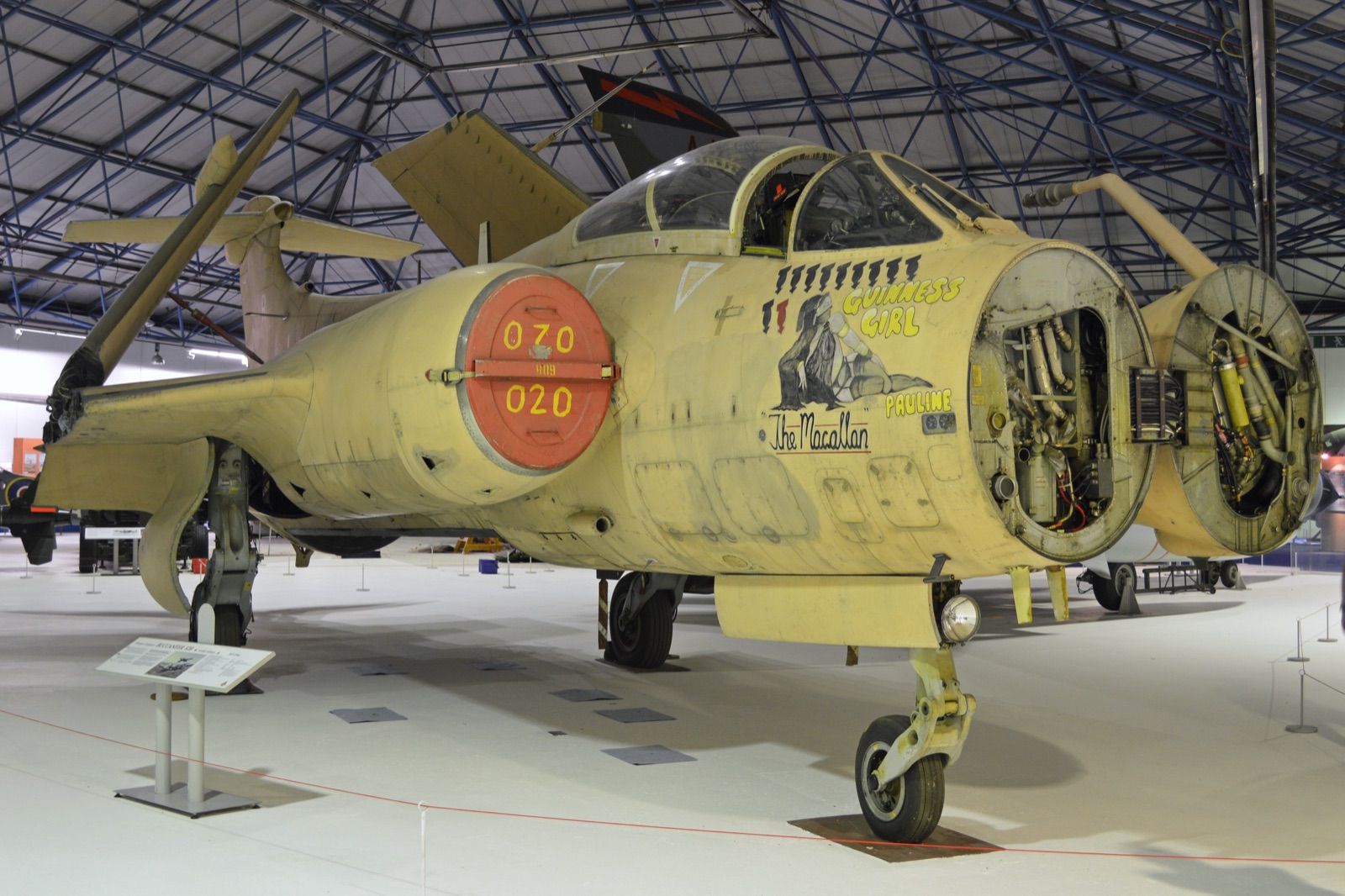
- Mission tally under the cockpit: one bomb for each sortie
- Nose art and names, ‘Guinness Gal’ and ‘Pauline’, with the whisky name ‘The Macallan’ below
- Radome swung open to show the nose radar
The losses
One fixed-wing aircraft lost for every 1,800 combat sorties
Coalition air forces lost 38 fixed-wing aircraft in combat. Most were brought down by guns and heat-seeking missiles, the weapons that had done most of the killing over Vietnam. Only one was lost to an Iraqi fighter: a US Navy Hornet shot down by a MiG-25 on the first night, whose pilot, Lieutenant Commander Scott Speicher, was not found until 2009.
Coalition fixed-wing combat losses, by service and cause
aircraft- Anti-aircraft guns
- Infra-red SAMs
- Radar-guided SAMs
- Iraqi fighter
- Other enemy action
- Unknown
- 3731
- 25
- 1141
- 2211
- 11
- 1
- 1
“Other enemy action” is an EF-111 that crashed while evading what its crew believed was a fighter. The UK row is the survey’s seven Tornado GR1s and so includes the one lost to mechanical failure. Iraqi accounts credit a MiG-29 with one of the RAF Tornados the survey attributes to a radar SAM. Helicopters, and aircraft lost in accidents, are not included: the coalition’s total losses were about 75 aircraft, 23 of them helicopters.
Source GWAPS Vol. V, Table 203, Desert Storm total coalition combat losses by cause
How rare a loss had become
US aircraft lost per 1,000 combat sorties (approximate)Derived from the survey’s statement that the Desert Storm rate, about one fixed-wing loss per 1,800 combat sorties, was 4.7 times lower than over North Vietnam in 1967 and some 14 times lower than in Linebacker II.
Source GWAPS Summary Report (1993), p. 62
Low losses stemmed from the combination of successful suppression of Iraqi air defense and the decision to bomb from medium altitudes.
Gulf War Air Power Survey, Summary Report, 1993
The Iraqi Air Force
Shot down, bombed in its shelters, or flown to its old enemy
Iraq’s air force tried to fight for a week. By 25 January coalition fighters had shot down sixteen MiG-29s, MiG-25s and Mirage F1s, and by 27 January the coalition had air supremacy. When laser-guided bombs began breaking open the shelters on 22–23 January, Iraqi pilots started flying their best aircraft east to Iran, the country they had fought for eight years. Iran kept them.
F-15C Eagle against MiG-29
F-15C Eagle
MiG-29 “Fulcrum”
- 1,650 mphTop speed at altitude1,520 mph
- 211 kNCombined engine thrust, with reheat163 kN
- 30,845 kgMaximum take-off weight18,000 kg
- 19 mLength17 m
- 96In the war (USAF F-15C; Iraqi MiG-29)50
- 0Shot down in air combat5
Verdict The MiG-29 was a dangerous dogfighter on paper. In practice Iraqi pilots flew under rigid ground control into a fight run by AWACS, against F-15Cs that could identify and shoot them beyond visual range. No F-15C was lost to an Iraqi aircraft.
An Iraqi MiG-25 damaged an F-15C with a missile on 30 January; Iraq claims it as a kill, which the USAF denies. Strengths: CENTAF F-15C count in Table 15; Iraqi MiG-29 count (42 single-seat, 8 trainers) from the Iraqi Perspectives Project.
Source GWAPS Vol. V, Table 15, and Summary Report p. 58; McDonnell Douglas F-15 Eagle and Mikoyan MiG-29 specifications (Wikipedia); Iraqi Air Force (Wikipedia, after IDA)
Iraqi aircraft shot down in air combat
aircraft33 fixed-wing aircraft and 5 helicopters. A sixth helicopter, a Hind destroyed in the air by an F-15E’s laser-guided bomb on 14 February, was not given kill credit.
Source GWAPS Summary Report (1993), p. 58
What became of Iraq’s fixed-wing air force
aircraft= 20 aircraft
- Destroyedin the air (23–36) and on the ground259
- Damaged113
- Flown to Iran and kept125
- Survived intact500
Iraqi records as compiled by the Iraqi Perspectives Project, covering 1,120 air force aircraft including trainers; the 99 Su-7s and MiG-19/J-6s have no breakdown, and some rows do not sum. Wartime US estimates of aircraft flown to Iran ran from 118 (6 February) to 122.
Source Iraqi Air Force (Wikipedia), after the Iraqi Perspectives Project Phase II, IDA (2008); GWAPS Vol. V chronology; USAF white paper (1991)
The Iraqi Air Force, type by type
| MiG-21 / Chengdu F-7 | 236 | 65 | 46 | 0 | 115 |
| Trainers (L-39, Tucano, Bravo, Jet Provost, others) | 211 | 11 | 12 | 0 | 174 |
| MiG-23 (all versions) | 127 | 43 | 10 | 12 | 63 |
| Su-20 and Su-22 (all versions) | 104 | 24 | 9 | 33 | 38 |
| Mirage F1 (incl. 8 captured Kuwaiti) | 96 | 25 | 8 | 24 | 39 |
| Su-25 | 72 | 31 | 8 | 7 | 26 |
| Su-7BMK | 54 | – | – | – | – |
| MiG-29 | 50 | 17 | 4 | 4 | 25 |
| MiG-19 / Shenyang J-6 | 45 | – | – | – | – |
| MiG-25 | 35 | 19 | 6 | 0 | 10 |
| Su-24MK | 30 | 5 | 0 | 24 | 1 |
| Il-76 transports and tankers | 19 | 3 | 1 | 15 | 0 |
| BK 117 helicopters | 14 | 1 | 6 | 0 | 6 |
| Bombers (Tu-16, H-6, Tu-22) | 11 | 11 | 0 | 0 | 0 |
| Executive jets (Falcon 20, Falcon 50, JetStar) | 11 | 4 | 0 | 6 | 1 |
| An-26 | 5 | 0 | 3 | 0 | 2 |
| The Su-24 bomber force went almost entire to Iran: 24 of 30. Iran returned seven Su-25s to Iraq in 2014 and took the rest into its own service. | |||||
Source Iraqi Perspectives Project Phase II, Institute for Defense Analyses (2008), via Iraqi Air Force (Wikipedia)
The forty-three days, and the five months before
Iraq invades Kuwait
Britain announces it will send forces: Operation Granby. The first RAF Tornado F3s reach Saudi Arabia within days
UN Security Council Resolution 678 sets Iraq a deadline of 15 January
Air war begins at 23.36 GMT. Twenty RAF Tornados attack airfields with JP233; all return. A daylight Tornado raid that morning loses one aircraft
20F-111Fs begin destroying hardened shelters with laser-guided bombs; Iraqi aircraft start to flee to Iran
RAF Tornados switch to medium-level bombing
A Saudi F-15C shoots down two Mirage F1s sent to bomb Saudi oil installations
2Coalition declares air supremacy
First RAF laser-guided bombs dropped, with Buccaneers designating
Two TIALD pods arrive at Tabuk: the Tornados can mark their own targets at night
Bombing of the Al Firdos (Amiriyah) shelter kills several hundred civilians; strikes on central Baghdad are sharply curtailed
The last RAF Tornado lost, to a SAM over Al Taqaddum
Ground offensive begins; 3,280 sorties flown, the most of any day
3,280Ceasefire
Source GWAPS Summary Report and Vol. V chronology; Hine despatch; RAF Museum, British military aviation in 1991
Side by side
The Granby types, and the Wild Weasel, in the Gazetteer’s own models
The Gulf at one scale
drawn to one scale-
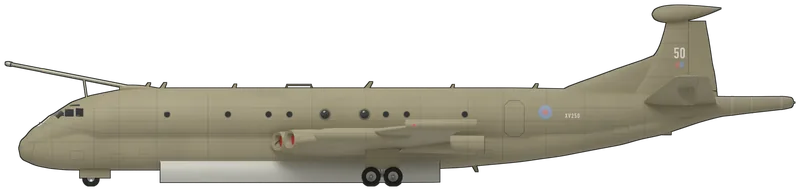 Nimrod MR.2 39.3 m
 -
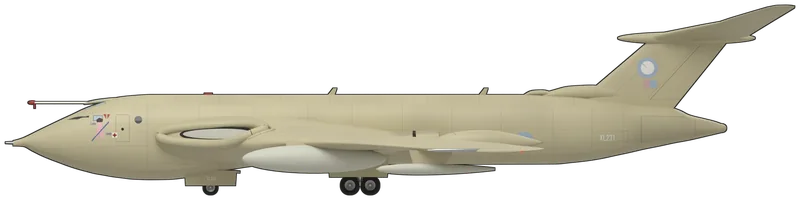 Victor K2 35.1 m
 -
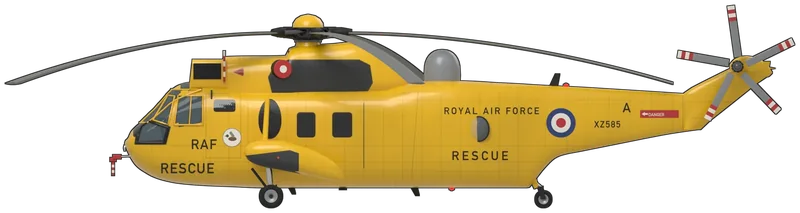 Sea King HC.4 22.2 m
 -
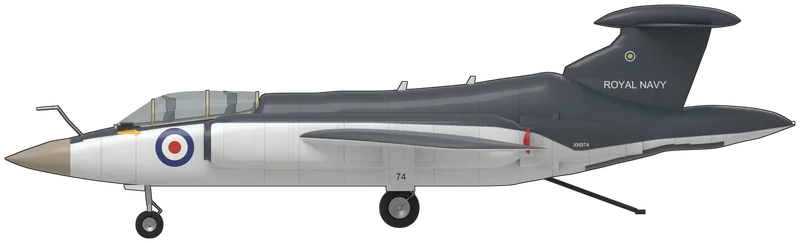 Buccaneer S.2B 19.3 m
 -
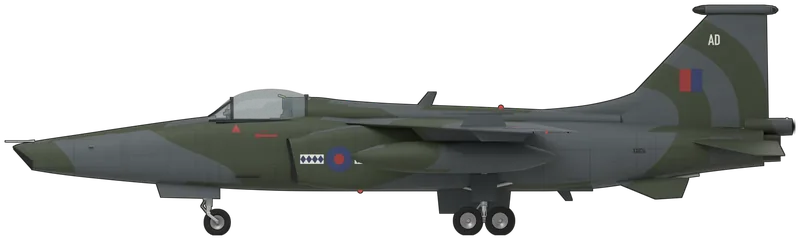 Jaguar GR1A 16.8 m
 -
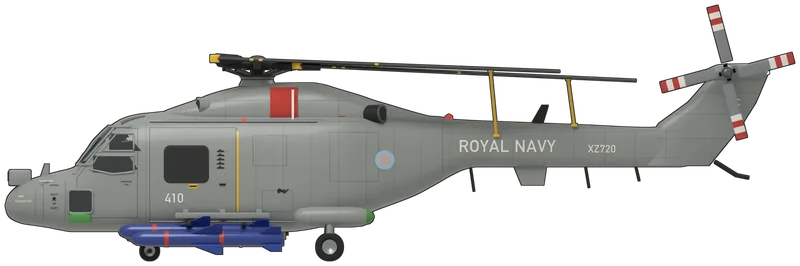 Lynx 15.2 m
 -
 Gazelle (British Army) 12.0 m
 -
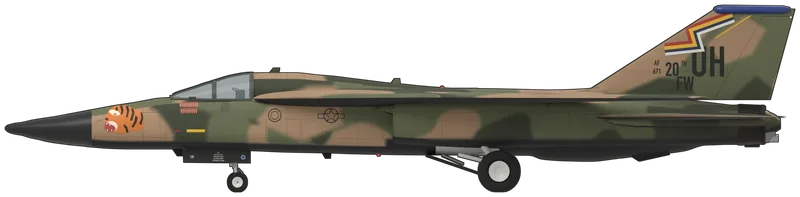 F-111 22.4 m
 -
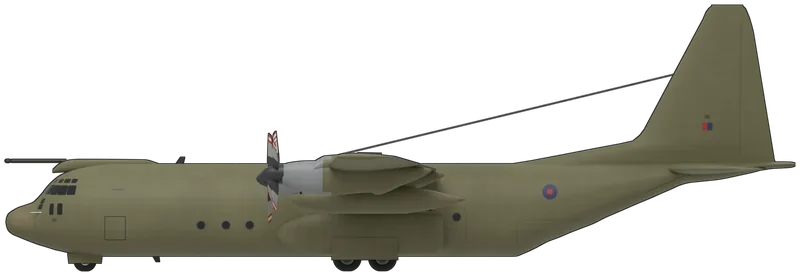 Hercules C.1 34.4 m
 -
 VC10 K.2 48.4 m
 -
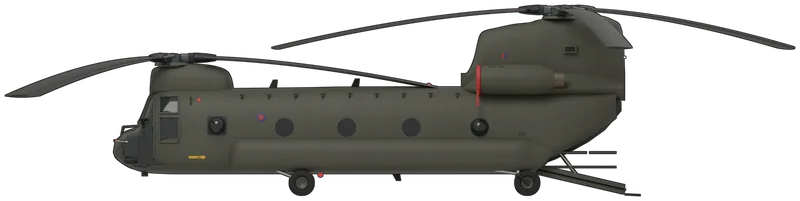 Chinook HC.1 15.5 m
 -
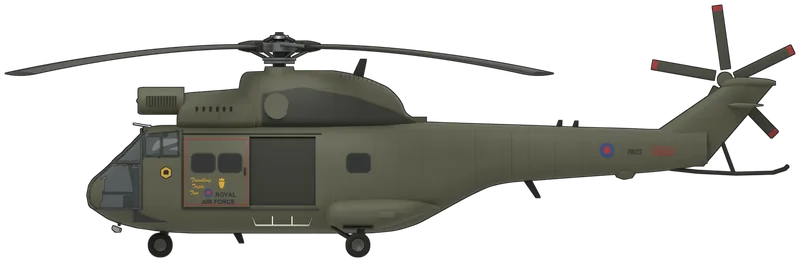 Puma HC.1 18.2 m
 -
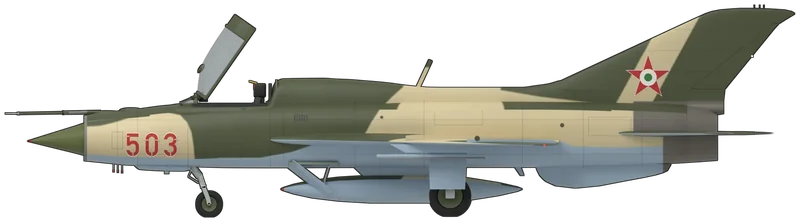 MiG-21 (Iraq) 14.9 m
Helicopter spans are main-rotor diameters. Tornado span is with the wings spread.
The Gulf air war, parked together
live 3D, true scale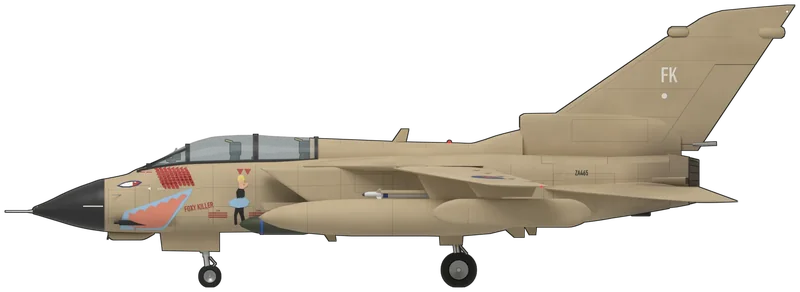
Drag to walk round · pinch or buttons to zoom
- Tornado GR1 16.7 m long, 13.9 m span
- Jaguar GR1A 16.8 m long, 8.7 m span
- Buccaneer S.2B 19.3 m long, 13.4 m span
- Victor K2 35.1 m long, 36.6 m span
- Lynx 15.2 m long, 12.8 m rotor
- F-111 22.4 m long, 19.2 m span
- Hercules C.1 34.4 m long, 40.4 m span
- VC10 K.2 48.4 m long, 44.6 m span
- Chinook HC.1 15.5 m long, 18.3 m rotor
- Puma HC.1 18.2 m long, 15.0 m rotor
Tornados, Jaguars and Buccaneers all flew from Muharraq; the RAF’s tankers were based there and at King Khalid International, Riyadh. The Lynx stands in for the Royal Navy helicopters that sank much of Iraq’s navy from frigates in the northern Gulf.
Where to see them
in British museums- Panavia Tornado15 museums
Royal Air Force Museum London · IWM Duxford · Midland Air Museum · Yorkshire Air Museum · Solway Aviation Museum · South Wales Aviation Museum · National Museum Of Flight · Montrose Air Station Museum · Ulster Aviation Society (Maze Long Kesh) · RAF Air Defence Radar Museum · Boscombe Down Aviation Collection · Royal Air Force Museum Midlands · RAF Manston History Museum · North East Land, Sea and Air Museums · South Yorkshire Aircraft Museum
- SEPECAT Jaguar22 museums
Royal Air Force Museum London · RAF Air Defence Radar Museum · Bournemouth Aviation Museum · Boscombe Down Aviation Collection · Royal Air Force Museum Midlands · Newark Air Museum · Solway Aviation Museum · South Wales Aviation Museum · National Museum Of Flight · Montrose Air Station Museum · Morayvia · Ulster Aviation Society (Maze Long Kesh) · Norfolk and Suffolk Aviation Museum · Gatwick Aviation Museum · Yorkshire Air Museum · City of Norwich Aviation Museum · Bentwaters Cold War Museum · RAF Coltishall Heritage Centre · Farnborough Air Sciences Trust Museum · RAF Manston History Museum · East Midlands Aeropark · South Yorkshire Aircraft Museum
- Blackburn Buccaneer16 museums
Royal Air Force Museum London · IWM Duxford · Gatwick Aviation Museum · Fleet Air Arm Museum · Newark Air Museum · Yorkshire Air Museum · South Wales Aviation Museum · Ulster Aviation Society (Maze Long Kesh) · Royal Air Force Museum Midlands · National Museum Of Flight · City of Norwich Aviation Museum · RAF Manston History Museum · East Midlands Aeropark · Thorpe Camp Visitor Centre · South Yorkshire Aircraft Museum · Stoneykirk Aviation Museum
- Hawker Siddeley Nimrod12 museums
Royal Air Force Museum Midlands · Yorkshire Air Museum · Avro Heritage Museum · Runway Visitor Park, Manchester Airport · Morayvia · Boscombe Down Aviation Collection · South Wales Aviation Museum · National Museum Of Flight · City of Norwich Aviation Museum · RAF Manston History Museum · East Midlands Aeropark · South Yorkshire Aircraft Museum
- Westland Sea King13 museums
Royal Air Force Museum London · IWM Duxford · Fleet Air Arm Museum · South Wales Aviation Museum · Morayvia · The Helicopter Museum · Solway Aviation Museum · Montrose Air Station Museum · Ulster Aviation Society (Maze Long Kesh) · Cornwall at War Museum, Davidstow · East Midlands Aeropark · North East Land, Sea and Air Museums · South Yorkshire Aircraft Museum
- Westland Lynx11 museums
Fleet Air Arm Museum · The Helicopter Museum · Newark Air Museum · South Wales Aviation Museum · Ulster Aviation Society (Maze Long Kesh) · IWM Duxford · Bournemouth Aviation Museum · Army Flying Museum · Farnborough Air Sciences Trust Museum · East Midlands Aeropark · South Yorkshire Aircraft Museum
- McDonnell Douglas Phantom16 museums
Royal Air Force Museum London · IWM Duxford · Norfolk and Suffolk Aviation Museum · Tangmere Military Aviation Museum · Fleet Air Arm Museum · Midland Air Museum · Solway Aviation Museum · South Wales Aviation Museum · Ulster Aviation Society (Maze Long Kesh) · Royal Air Force Museum Midlands · National Museum Of Flight · Montrose Air Station Museum · Morayvia · City of Norwich Aviation Museum · Bentwaters Cold War Museum · British Phantom Group & Bristol Britannia XM496 (Kemble)
Gulf veterans on show include Buccaneer XW547 at the RAF Museum, London.
Sources
- Thomas A. Keaney and Eliot A. Cohen, Gulf War Air Power Survey: Summary Report (US Government Printing Office, 1993)
- Gulf War Air Power Survey, Vol. V: A Statistical Compendium and Chronology (1993)
- Despatch by Air Chief Marshal Sir Patrick Hine, Joint Commander of Operation Granby, London Gazette supplement 52589 (28 June 1991)
- Department of the Air Force, White Paper: Air Force Performance in Desert Storm (April 1991), via PBS Frontline
- US General Accounting Office, Operation Desert Storm: Evaluation of the Air Campaign, GAO/NSIAD-97-134 (1997)
- Air Force Magazine, “GAO Launches a Dud” (September 1996)
- RAF Museum, History of aviation timeline: British military aviation in 1991
- Kevin M. Woods et al., Iraqi Perspectives Project Phase II: Um Al-Ma’arik (Institute for Defense Analyses, 2008), via Iraqi Air Force (Wikipedia)
- Gulf War air campaign (Wikipedia)
- Operation Granby (Wikipedia)
- List of Gulf War pilots by victories (Wikipedia)
- McDonnell Douglas F-15 Eagle (Wikipedia): specifications
- Mikoyan MiG-29 (Wikipedia): specifications
- Alfred Price, “Tornado in the Desert”, Air Force Magazine (December 1992)
- John Nichol, Tornado: In the Eye of the Storm (Simon & Schuster, 2021)
Photographs
- F-16As, an F-15C and F-15Es of the US Air Force over the burning Kuwaiti oil fie — US Air Force, Public domain · source
- An F-117A of the 37th Tactical Fighter Wing leading Royal Saudi Air Force F-15C, — US Air Force, Public domain · source
- RAF Jaguar GR1A XZ396 on the flight line, probably at Muharraq, Bahrain, on 23 J — US Air Force (TSgt Rose S. Reynolds), Public domain · source
- Two hardened aircraft shelters at Ahmed Al Jaber airfield, Kuwait, photographed — US Navy (VF-84, TARPS), Public domain · source
- An RAF Tornado GR1 under a sunshade at King Abdul Aziz air base, Saudi Arabia, o — US Army (SPC Randall R. Anderson), Public domain · source
- An RAF Victor K2 tanker at Jubail, Saudi Arabia, in March 1991. The Victors, VC1 — US Marine Corps (Lt Col Paul Backs), Public domain · source
- Buccaneer S.2B XW547, one of the twelve sent to the Gulf to designate targets fo — Alan Wilson, CC BY-SA 2.0 · source
Figures are drawn from the sources above; where they disagree the most widely cited figure is used and the range is given in the notes. Side profiles and 3D models are the gazetteer’s own procedural models, drawn to scale from published dimensions. Spotted an error? Tell us.